
Samuel O’Neal
soneal@star-telegram.com
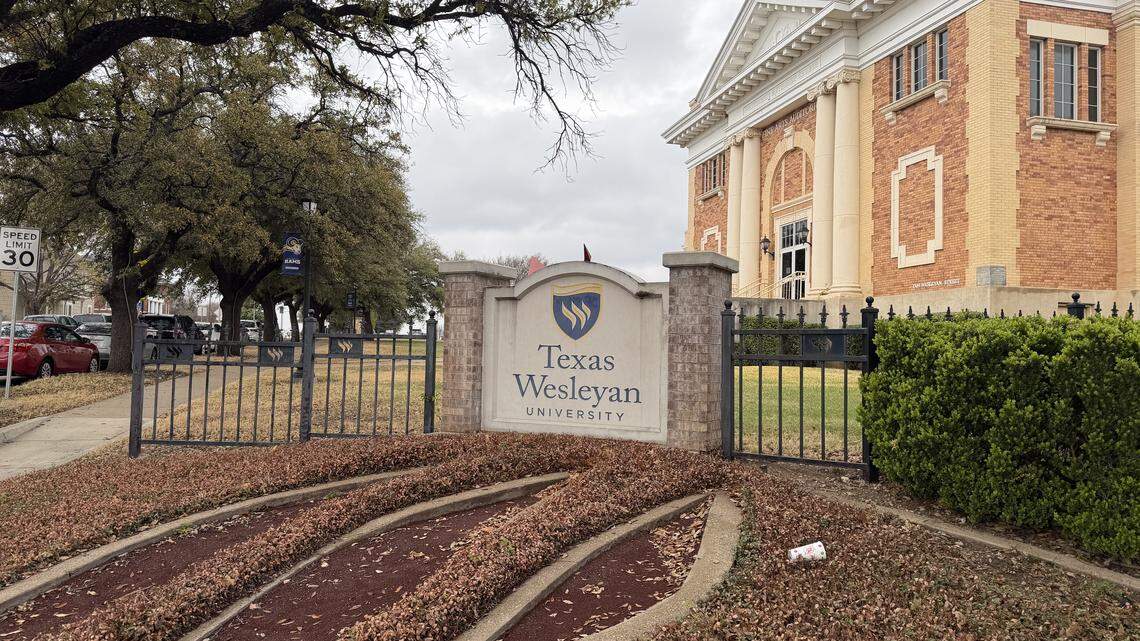
When Emily Messer took the job as Texas Wesleyan University’s president in July 2023, she saw opportunity.
Messer respected the university’s history and tradition and hoped to parlay that into more city-wide recognition for the oldest school founded in Fort Worth.
Almost three years later, Texas Wesleyan has partnered with the city on a major revitalization project, is transitioning its athletic department to the NCAA Division II level, building a football stadium on campus and growing enrollment by almost 25%. Messer says those steps are just the beginning.
Texas Wesleyan will also release a new plan outlining goals and initiatives for the university in the coming weeks.
“We have a lot of momentum right now,” Messer said. “With enrollment growth, we’re positioned in the fastest growing city in the nation. We also just have a lot of really great things going on right now. The launch of the new strategic plan will outline some of that and some of the initiatives we hope to achieve in the next five or so years.”
⭐ Our editors also recommend:
Main Street American program
Texas Wesleyan’s biggest project, its partnership with the city of Fort Worth to revitalize east Fort Worth through the Main Street America initiative, is what university leadership is especially excited about. Texas Wesleyan leaders hope to help the school become an anchor of the community. The partnership is the first step toward doing so.
The university has committed to a two-year partnership with the city, Messer said. The school recently finished forming an advisory board to oversee the revitalization process. The goal is to make the areas near Texas Wesleyan’s campus more desirable and welcoming. It will also increase economic opportunities on and near the campus, university leaders say.
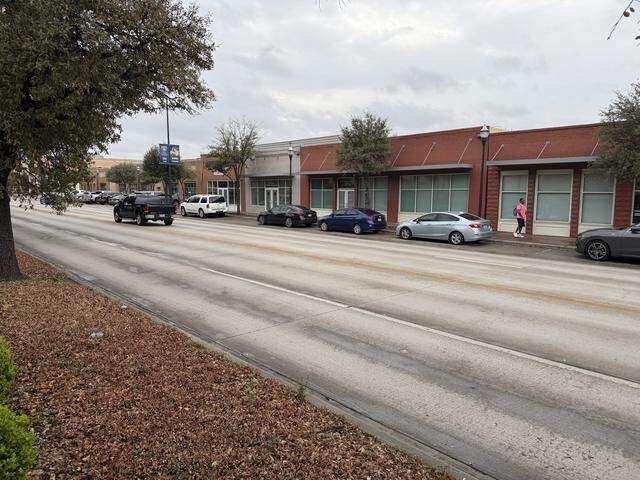 University and city leaders hope the Main Street America project helps add “beautification” to what are currently bare store fronts on streets near campus. Samuel O’Neal soneal@star-telegram.com
Texas Wesleyan’s advisory board includes university leaders, residents and students. Texas Wesleyan officials say it was a point of emphasis to include student opinions when forming the board.
“We want to see improvements along Rosedale Street, which runs right here in front of our campus,” Messer said. “That was the initial proposal for the Main Street program. Looking at storefront facades and storefronts and just cleaning up and adding some beautification efforts. Whatever we can do to continue the revitalization of the areas.”
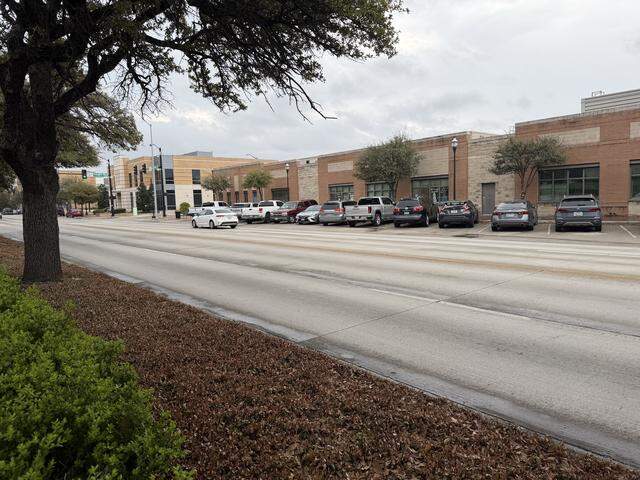 University and city leaders hope the Main Street America project helps add “beautification” to what are currently bare store fronts on streets near campus. Samuel O’Neal soneal@star-telegram.com
The project focuses primarily on revitalization in the Polytechnic Heights neighborhood near the university. In addition to the “beautification,” Main Street America project leaders also envision a more walkable, accessible and vibrant community following the initiative’s completion.
Dwala Chandler, Texas Wesleyan’s director of service learning, is spearheading the Main Street America project, and the university has approached residents and students about how to best approach revitalization through a “community day.” The school received over 1,400 suggestions throughout two separate three-hour sessions, Messer said.
Texas Wesleyan also launched a course available to all students led by Chandler that informs them about the Main Street project and how to get involved with planning and the advisory board. Students in the class have already designed logos for the project.
“I really want everyone on campus to be involved in our strategic planning process,” Messer said. “The class is truly hands-on experience for these students to be involved in community revitalization through the class and that is really exciting to me.”
Enrollment increase campaign
Texas Wesleyan has also gained momentum in growing its student body. Total enrollment since the COVID-19 pandemic in 2020 has grown by 25%, according to university data. Its fall 2025 enrollment reached 2,792 students — its most since the 2012 school year. The school grew from around 2,500 in 2024, setting record freshman classes in 2021, 2022, 2023 and again in 2025.
Messer and other university leaders say that growth is intentional and part of its strategic plan.
“One of our initiatives is purposeful growth,” Messer said. “And we hope to see even more enrollment growth. We’re hoping to increase by 25% over the next five years.”
Texas Wesleyan joins TCU and Tarrant County College as Fort Worth institutions that have rolled out in-depth and targeted enrollment increase campaigns in recent months and years. TCU’s ambitious plan to grow to 18,000 students by 2035 was met with some apprehension from students who said they’d fear the school would “lose its charm.”
Leaders at Texas Wesleyan aren’t worried about that on their campus. They have plenty of room to expand while staying true to their small-school roots that students have come to enjoy, Messer said.
“Our motto is Smaller, Smarter,” said Laren Findley, Texas Wesleyan’s vice president for enrollment management. “People come to us because they know they can get that small campus environment and be a name, not a number. We have a lot of opportunities to grow but the overall numbers are going to stay pretty small.”
Athletic Department improvements, on-campus stadium
Texas Wesleyan announced last month it was transitioning from the NAIA to the NCAA’s Division II level.
The university pointed to geography and the school’s overall momentum as reasons why. Only three other NAIA teams are in the region, as opposed to the dozen or so Division II schools that Texas Wesleyan could compete against after the transition. The move will be complete starting with the 2028-29 athletic seasons.
“This is a strategic and well-timed opportunity for Texas Wesleyan,” said Athletic Director Ricky Dotson. “Our programs reflect sustained competitive success, strong academic performance by our student-athletes and an institution commitment to excellence that aligns with NCAA Division II values. We are well positioned organizationally, competitively and culturally to take this next step.”
Texas Wesleyan also entered the final phase of construction on Karen Cramer Stadium last week. The stadium will house football, soccer, track and field, dance and the Ram Band, which will also expand into a full marching band. The stadium is expected to open during the winter 2027 semester.
Texas Wesleyan was previously playing its home football games at Crowley ISD Multipurpose Stadium — a 20-minute drive from campus. Messer acknowledged getting students to drive all the way to Crowley to watch a game can be a “tough sell” for all students. But an on-campus stadium will foster a stronger sense of community on campus, she said.
“We truly will be providing the full college experience in a small environment that really provides a personalized approach to our students. When I talk to alumni when they reflect on their time at Texas Wesleyan, it’s about the relationships. We just have a really special tradition and, like I said, we just have a lot of momentum right now.”

Fort Worth Star-Telegram
Samuel O’Neal is a local news reporter at the Fort Worth Star-Telegram covering higher education and local news in Fort Worth. He joined the team in December 2025 after previously working as a staff writer at the Philadelphia Inquirer. He graduated from Temple University, where he served as the Editor-in-Chief of the school’s student paper, The Temple News.