
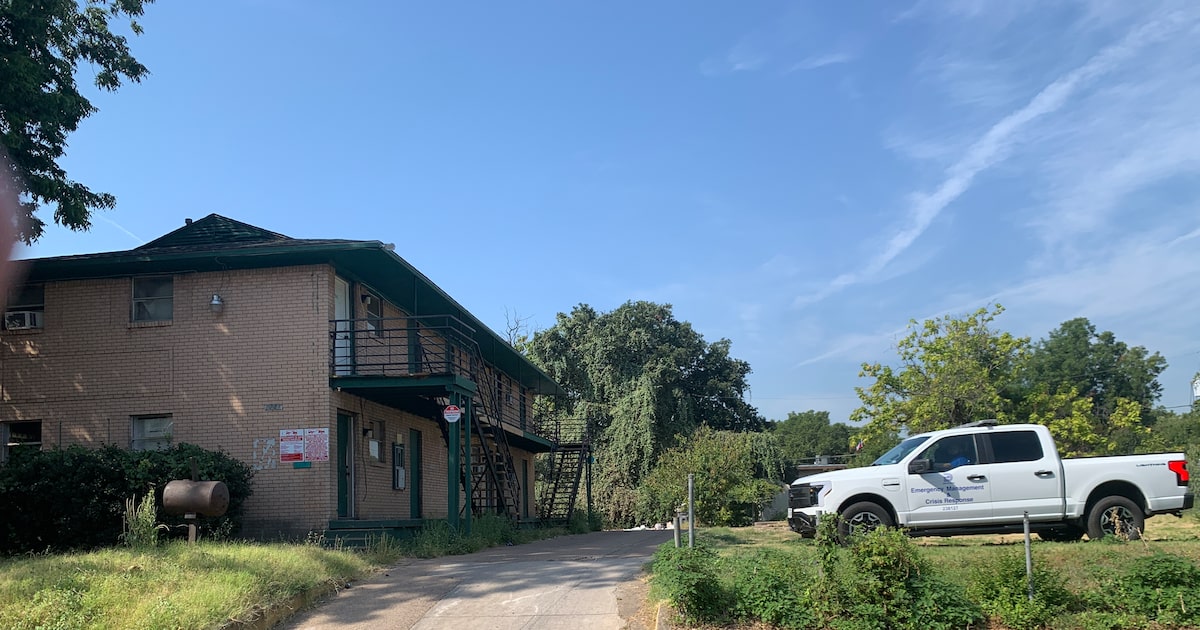
Life is growing more precarious for low-income Dallasites. A new report from the Child Poverty Action Lab shows that the supply of “cheap” apartments and rental houses is drying up. The number of rental units costing less than $1,000 per month plummeted from 98,000 to 47,000 over two years.
The demand for those units is intense: Almost 60,000 households in Dallas earn $31,000 per year in occupations such as food service. The families can afford to pay about $750 monthly in rent and utilities, about 30% of their income, to have enough left over for groceries, transportation, child care and other necessities. One serious car repair could set a family on the path to eviction.
But they’re not the only people looking for housing that costs about $1,000 per month. They compete with families slightly higher on the income ladder who may earn half of area median income, or about $52,000 for a family of four. Those households might be able to afford an apartment that rents for $1,200 per month, but demand outstrips supply in that range also. CPAL estimates Dallas has a shortage of 46,000 rental units for households that make half of area median income.
For years, the hope has been that the market will resolve the mismatch between supply and demand of low-cost rental housing. As existing apartments age and new complexes are built, older units become cheaper because they’re less desirable. This so-called filtering process produces “naturally occurring affordable housing,” that is, rental units that are affordable without any public subsidy. In Dallas, that process produces the vast majority of affordable rental units.
Opinion
But it’s not producing enough in terms of numbers or significantly lower rents, according to the CPAL report.
“The benefit of more supply is felt more at the moderate income renter level,” said Ashley Flores, CPAL’s chief of housing. “We don’t see evidence that it reaches all the way down to …households that are at or below 50% of [area median income].”
Sometimes older apartment buildings are renovated and upgraded, so landlords raise rent. Some older buildings are torn down and replaced with a new development aimed at more affluent tenants. The growing gap in affordable units means public officials have to carefully target resources toward solutions aimed at the most vulnerable groups.
This isn’t just a Dallas problem. Texas has almost 960,000 rental households that survive on about $31,000 or less in annual income. Almost 80% of those families spend more than half of their income on housing costs.
Increased property tax exemptions are not helping these families. Building more market-rate apartments isn’t enough. Lawmakers need to consider new approaches, such as creating a housing trust fund to help build and preserve safe, decent housing for these struggling families.
We welcome your thoughts in a letter to the editor. See the guidelines and submit your letter here.
If you have problems with the form, you can submit via email at letters@dallasnews.com