
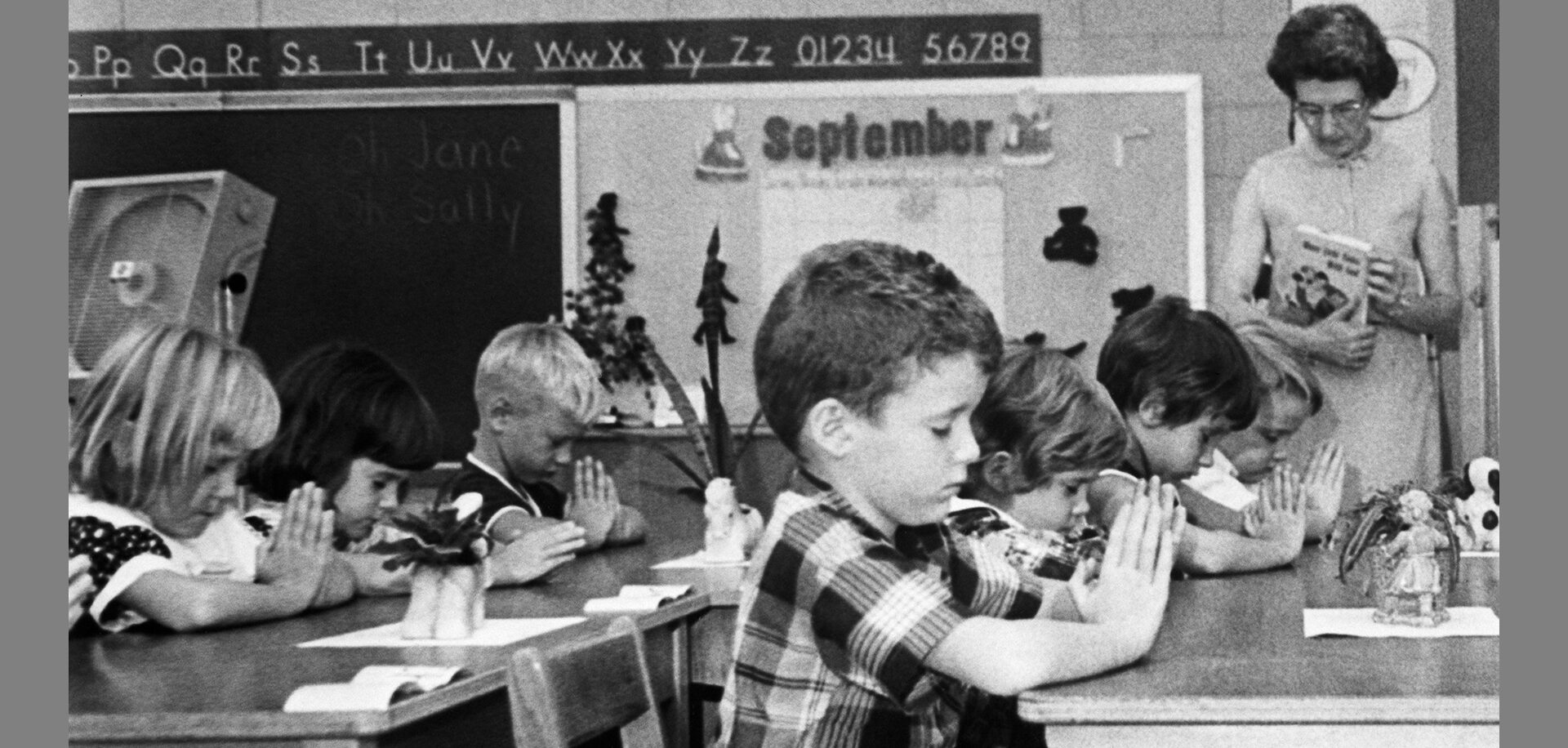
All but 15 of more than 1,200 Texas school districts and charters rejected a state law that encourages students and staff to pray and read the Bible during the school day, The Texas Tribune reported.
Religious liberty advocates described the news as a win for Texas families and for the separation of church and state. Districts had until March 1 to accept or reject Senate Bill 11.
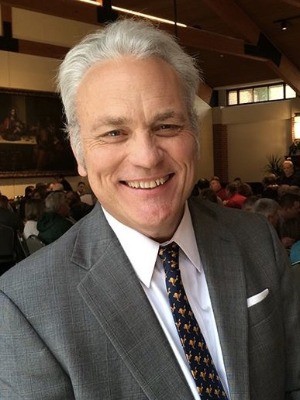
Charles Foster Johnson
“Texas public schools serve all children from every conceivable faith tradition and no faith tradition,” said Charles Foster Johnson, executive director of Pastors for Texas Children. “They are public institutions that must not favor, advance or establish any religion. Religion is for the congregation, home and individual. When it becomes a tool of the state, both get corrupted every single time.”
It was one of the bill’s champions, Republican State Rep. David Spiller, who disclosed the small number of districts that opted to establish official prayer and Scripture reading times during noninstructional hours, The Tribune reported.
“I respect their opinion. They know their communities,” Spiller said. “That’s not to say they can’t come back and revisit it. But this is not a mandate. I’ve said very clearly from the start, this is not a mandate bill. The only thing that’s mandated is if they consider it. They don’t have to adopt it.”
But Lt. Gov. Dan Patrick previously described the measure as essential to religious freedom in Texas: “I prioritized SB-11 to make sure religious freedom is not infringed upon in Texas, ensuring our students and educators have the right to pray on school grounds.”
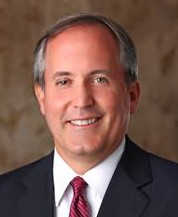
Ken Paxton
Texas Attorney General Ken Paxton described the law as an explicit attempt to promote the teachings of Jesus Christ.
“In Texas classrooms, we want the word of God opened, the Ten Commandments displayed and prayers lifted up,” he said. “Twisted, radical liberals want to erase Truth, dismantle the solid foundation that America’s success and strength were built upon, and erode the moral fabric of our society. Our nation was founded on the rock of Biblical Truth, and I will not stand by while the far-left attempts to push our country into the sinking sand.”
SB-11 was one of several measures approved by the Legislature to enshrine conservative Christianity in Texas public schools, including measures to use unlicensed school chaplains, to display the Ten Commandments in classrooms and to adopt an optional Bible-infused curriculum.
But The Tribune reported many districts were skeptical about how to handle parental consent requirements while others disapproved of adopting a system that endorsed conservative Christianity.
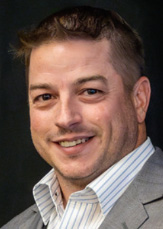
Alex Kotara
“In reality, there was no need for it,” said Alex Kotara, vice president of the Houston-area Karnes City School Board. “It passes the buck to local school districts to make that decision, but it also does it in a way that requires them to also opt out — not just opt in — which then, from an elected official standpoint, puts you in a position where, when they boil down a convoluted, kind of contradictory bill to a sound bite, it’s going to be that we did not allow prayer in school.”
The landslide rejection of SB-11 followed months of active campaigning by civil and religious rights groups opposed to the law’s abandonment of church-state separation and how the law might affect the treatment of children from non-Christian or non-religious families.
“If SB-11’s prayer policy is approved, schools will be required to track consent forms, designate non-instructional time for prayer, identify private prayer spaces and ensure non-participating students are not coerced to pray,” more than 160 Texas faith leaders said in a letter sent to all school districts in January.
The letter was organized by Baptist Joint Committee for Religious Liberty, Christians Against Christian Nationalism, Texas Impact and other groups concerned about attempts to blend conservative Christianity and public education.
“Students who do not opt in might be bullied and ostracized, and students may feel pressure to opt in to gain favor and time with teachers or coaches,” the letter said. “State-sponsored prayer time will also cause division among students based on their religious beliefs.”

David Segal
That only a few districts embraced the law demonstrates Texans were not fooled by the conservative Christian aims of SB-11, BJC Policy Counsel Rabbi David Segal said March 10. “This massive rejection of state-organized prayer proves Texans value the separation of church and state. Student-led prayer is already allowed in our public schools, it just shouldn’t be a government-run program.”
“This is what democracy looks like,” said Carisa Lopez, deputy executive director of the Texas Freedom Network. “Across Texas, people of every faith — and no faith — came together to protect our shared right to practice religion freely, without the government telling our children when, how and what to believe.”
The separation of church and state promised in the Constitution gives students and families, not politicians, the right to decide how and when to practice faith, said Rachel Laser, president of Americans United for Separation of Church and State. “The resistance to implementing SB-11’s state-organized prayer periods in Texas public schools should send a message to state legislators that Texans don’t support the Christian nationalist agenda of imposing one set of religious views on all public school children.”
Related articles:
160 faith leaders urge Texas schools to reject forced prayer
Texas senator fails history test while passing school prayer bill | Opinion by Warren Throckmorton