
The El Paso Basketball Game That Changed America Forever
Every March, millions of Americans tune in for March Madness. The brackets, the upsets, the buzzer beaters. It is one of the most exciting traditions in all of sports. But here is something most fans watching from their couches have no idea about. The game that changed college basketball forever was played by a team from right here in El Paso.
The “Bear” In El Paso
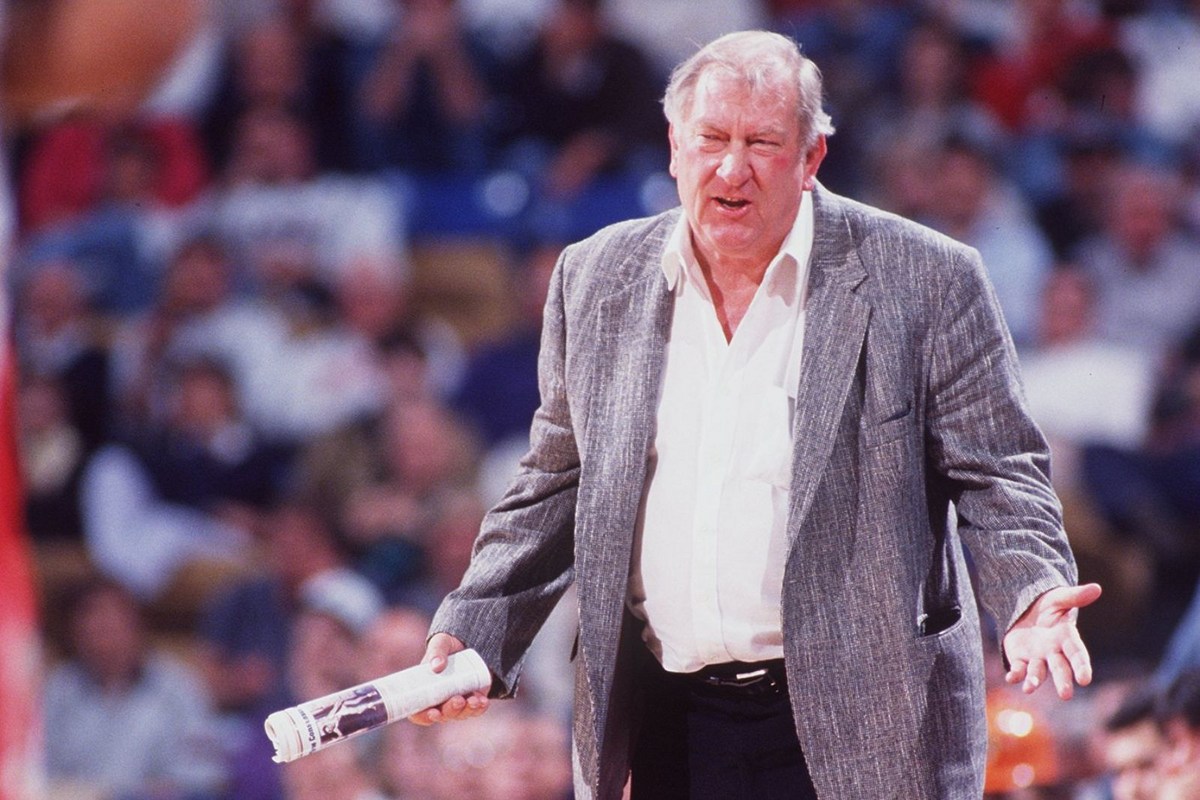
It was March 19, 1966. The Texas Western Miners, led by a gruff, straight-talking coach named Don Haskins, nicknamed “The Bear,” had blazed through the season with a 23-1 record. They were a tight-knit group from a small school in the desert, and almost nobody outside of El Paso had heard of them. Their opponent in the national championship game was the University of Kentucky Wildcats, the most storied program in college basketball, led by legendary coach Adolph Rupp. Kentucky was ranked number one in the nation and was heavily favored to win.
What happened next nobody saw coming.
The El Paso Decision That Rewrote History
Don Haskins started five African-American players in the nationally televised championship game, the first time that had ever been done in the history of the NCAA title game. The starters were Bobby Joe Hill, Orsten Artis, Willie Worsley, Harry Flournoy, and David Lattin. Kentucky’s roster was entirely white.
Courtesy of UTEP
Courtesy of UTEP
Haskins always said that his decision had nothing to do with making a statement. He was simply playing his best players, just like he had done all year. But the world was watching, and what they saw changed everything.
The Miners took the lead midway through the first half and never relinquished it, winning 72-65 and finishing the year with a 28-1 record.
What It Meant For El Paso And The Country
After the championship, college teams throughout the South began aggressively recruiting Black athletes, ending years of shameful segregation. All-white leagues like the Atlantic Coast Conference, the Southwestern Conference, and the Southeastern Conference became integrated within just two years.
When the Miners won, no one even brought out a ladder for them to cut down the net. Nevil Shed had to hoist up Willie Worsley so he could do the honors. They were not invited on The Ed Sullivan Show, which was customary for NCAA champions at the time. The world was not ready to celebrate them. But the world was already changing because of them.
At the 50th anniversary celebration, President Barack Obama said their contribution to civil rights was as important as any other.
The El Paso Legacy
The team was inducted into the Naismith Memorial Basketball Hall of Fame in 2007, and their story was turned into the 2006 Disney film Glory Road. Don Haskins went on to produce winning teams and NBA stars at what became UTEP before retiring in 1999. He passed away in El Paso in 2008.
Every time you fill out a March Madness bracket, every time you watch a college basketball game with rosters that look like America, remember where that started. It started right here. In El Paso. On March 19, 1966.
Guns Down, Gloves Up: RT Fades Fighting Gun Violence With Boxing In El Paso
Local social media page, RT Fades, has been fighting gun violence by encouraging community members to box out their problems in the ring. After being negative and violent rumors spread across news sources in El Paso, Grizz and local photographer Christian Churches decided to see for themselves what the events were really like. Los Toreados was the host for this particular weekends RT Fades event.
Gallery Credit: Grizz
From El Paso to Hollywood: Julian Kalel’s American Idol Journey
Julian Kalel secures a golden ticket on American Idol and delivers a message bigger than music.
Gallery Credit: Courtesy: American Idol
The City of The 915: El Paso, Texas Through Photos
El Paso, Texas is a hidden gem full of so much culture, art, and community. These photos show what the city has to offer.
Gallery Credit: Courtesy: UnSplash