
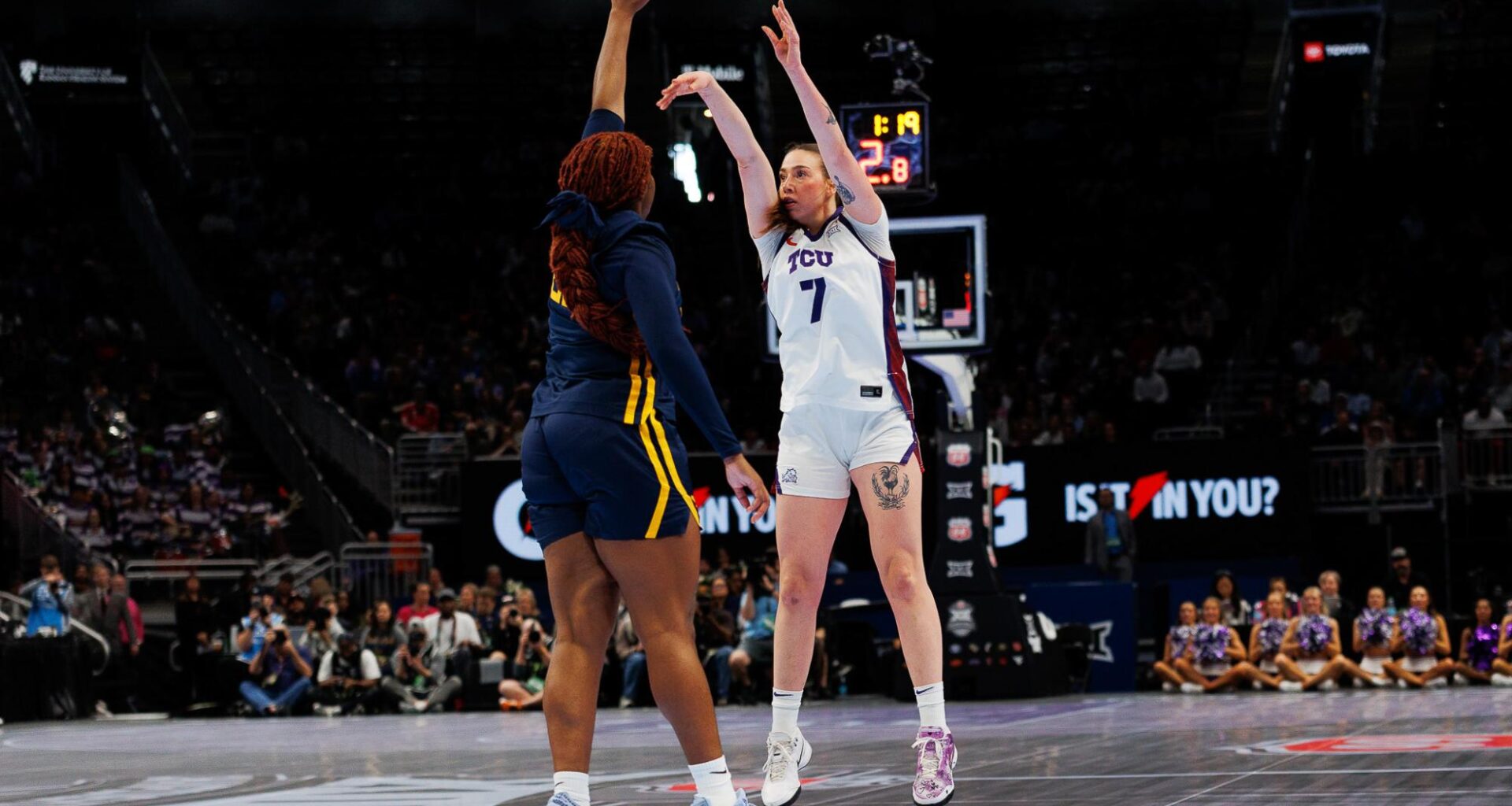
March Madness prompts millions in the U.S. to create NCAA basketball tournament brackets, all chasing a mythical perfect outcome. With both TCU’s men’s and women’s teams participating this year, fans engage in vibrant predictions despite the inherent unpredictability. Key to crafting brackets is balancing team talent assessments, understanding player health, and acknowledging the potential for surprise “Cinderella stories” to derail predictions. Insights from students reveal both a data-driven approach and a more instinctive methodology in selecting teams.
By the Numbers68 teams compete in the NCAA basketball tournaments each year.No perfect bracket has ever been recorded in tournament history. Yes, But
Crafting brackets involves complex factors, including team health and schedules, leading to differing strategies among participants. While some rely on statistical analysis, others prioritize instinct, indicating no single winning format.
State of PlayThe tournament features both mid-major teams needing conference wins and power conferences with secure bids.Cinderella teams consistently emerge, surprising fans and complicating bracket predictions. What’s Next
As the tournament progresses, expect continued discussions on strategies, emerging teams, and the impact of injuries on bracket choices, all contributing to the dynamic nature of March Madness.
Bottom Line
Engaging in March Madness brackets is a blend of meticulous strategy and luck. Whether employing analysis or simple logic, fans embrace the unpredictability of the tournament, reminding us that the thrill lies as much in the process as in the outcome.