
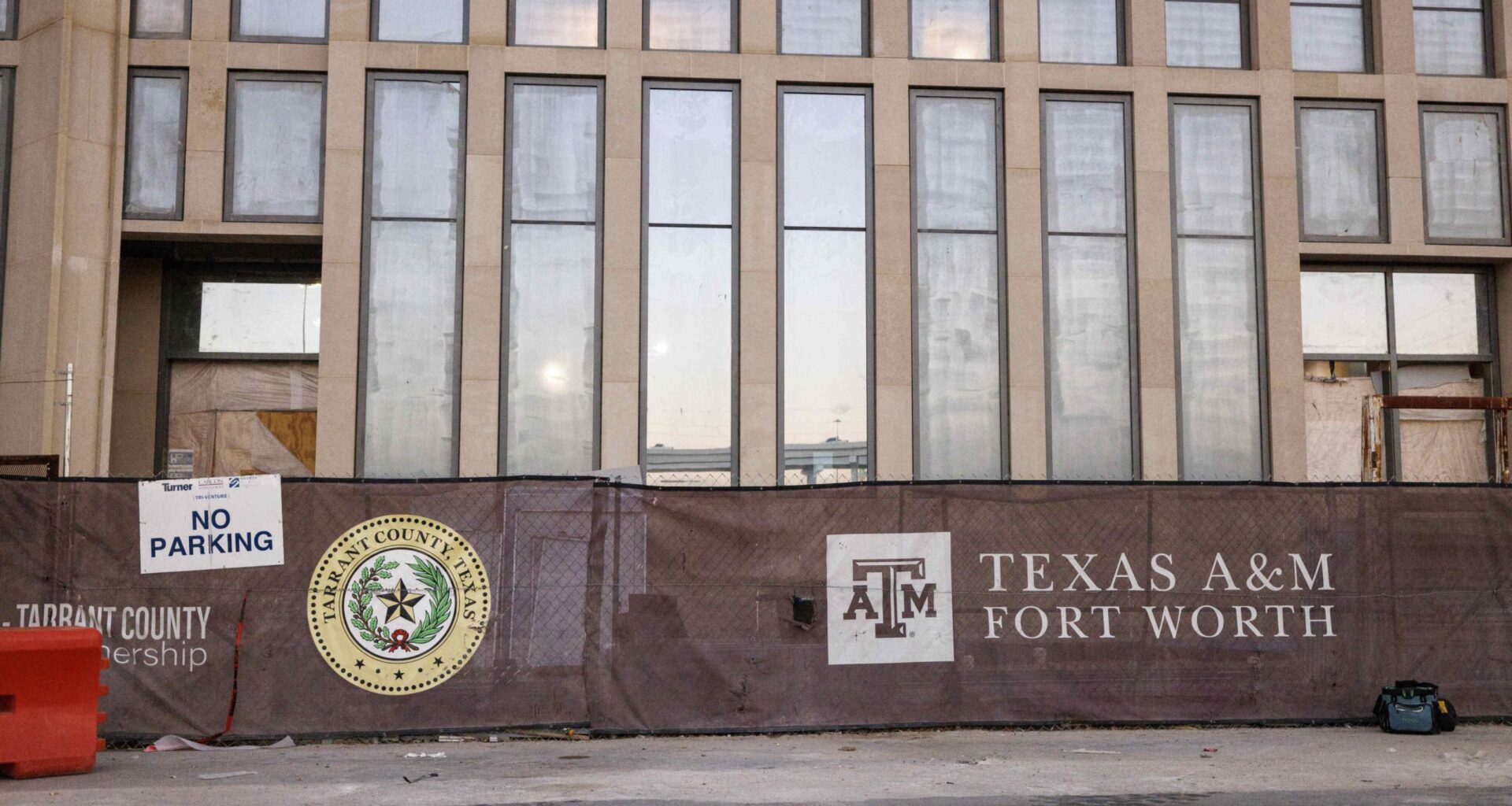
Texas A&M University is expanding its reach with the launch of a new campus in downtown Fort Worth, Texas. This significant development, which broke ground in 2023, is set to welcome its first students and open its inaugural building this upcoming fall. The Fort Worth campus is designed to be a hub for higher education and innovation, housing degree-granting programs from both Texas A&M University and Tarleton State University, a key institution within the A&M System. Additionally, the campus will feature a research presence from Texas A&M-Corpus Christi’s Center for Advanced Aviation Technologies and will host six state agencies.
The strategic placement of this campus aims to address the burgeoning demand for skilled talent and advanced research within the region. By fostering collaboration across vital industries such as healthcare, aerospace, and media and entertainment, Texas A&M Fort Worth is poised to become a catalyst for economic growth. City, county, and university leaders are actively engaged in developing a mixed-use innovation district surrounding the campus, intended to forge strong connections between businesses, startups, and the university, thereby stimulating economic development.
The Rationale Behind Texas A&M’s Fort Worth Expansion
The impetus for establishing a Texas A&M campus in Fort Worth stems from a post-pandemic vision by city and business leaders to ensure sustained economic prosperity. Their proposal centered on creating an industry-driven campus in the heart of downtown to stimulate job creation, corporate advancement, and research breakthroughs, leading them to approach the Texas A&M System. The university system already possessed a notable footprint downtown, including its law school, which was acquired from Texas Wesleyan University in 2013.
Kim McCuistion, director of Texas A&M Fort Worth, highlighted the university’s commitment to the area, citing Fort Worth’s substantial need for highly educated professionals, its diverse industrial landscape, and the city’s strong dedication to education. Darryl Heath, executive director of the Fort Worth-Tarrant County Innovation Partnership—a nonprofit organization established by the city and county to cultivate corporate-university relationships—stated that Texas A&M’s intention was to create a campus that was not merely an academic institution but one that deeply engaged with the city.
The establishment of the campus was significantly influenced by city and county officials who recognized its potential to support the evolving needs of Fort Worth’s expanding economy. Leaders within the Texas A&M System and city officials have lauded the campus as an opportunity to bring a premier research university to Fort Worth, a city that, until now, has been among the few large Texas cities lacking a Tier 1-designated institution. This designation is crucial for attracting top-tier faculty, students, and industries. Texas A&M-Fort Worth marks a significant milestone as the first urban campus for the Texas A&M System. McCuistion articulated the long-term vision as a compact, walkable campus seamlessly integrating academic, research, and community-focused spaces within the urban core.
Fall 2024 Academic Offerings
The Texas A&M Fort Worth campus will not confer its own degrees. Instead, students will enroll in courses offered by Texas A&M University and Tarleton State University.
Texas A&M University Programs:An undergraduate degree in engineering will be available this fall.The College of Performance, Visualization and Fine Arts will offer a bachelor’s degree in visualization, preparing students for careers in visual media, including marketing and animation.The College of Pharmacy is planning a master’s degree in pharmaceutical sciences, and third- and fourth-year Doctor of Pharmacy students will complete their clinical rotations in Fort Worth.Texas A&M’s School of Law, relocating to the new building this fall, will continue its course offerings.
Bobby Ahdieh, chief operating officer of Texas A&M-Fort Worth and dean of the Texas A&M University School of Law, emphasized that the degree programs are being selected based on identified community and industry demand. Future potential offerings include additional engineering degrees, MBA programs from the business school, and further undergraduate and graduate degrees from the College of Pharmacy and the School of Performance, Visualization and Fine Arts. Ahdieh also indicated that discussions are underway for increased investment in healthcare-related fields, noting the immense demand from hospitals in the Dallas-Fort Worth metroplex.
Tarleton State University Programs:Tarleton State will provide courses focused on health sciences, according to Rachael Capua, vice president for external operations and dean of Tarleton State Fort Worth.This fall’s offerings include an associate’s degree in histotechnology, bachelor’s degrees in biomedical sciences, biotechnology, and medical laboratory science, and a master’s degree in diagnostic molecular science.The university plans to introduce another bachelor’s degree and two doctoral programs in the future.Industry Collaboration and Innovation
A core objective of Texas A&M Fort Worth is to align the needs of industry partners with the research and talent resources available within the Texas A&M System. McCuistion stated that initial efforts are concentrating on partnerships within four key sectors: healthcare, media and entertainment, agriculture and food, and aerospace and aviation. The demands of these industries will directly influence research initiatives and academic program development at the campus.
The Fort Worth-Tarrant County Innovation Partnership has engaged with approximately 100 companies to pinpoint areas where the campus can provide the most value. Heath explained that these discussions involved asking companies how a major research university’s presence could benefit their operations. Lockheed Martin, a significant aerospace and defense company with a substantial presence in Fort Worth, was the first to announce a collaborative effort in 2023, aiming to establish a pipeline of engineers for the region. Discussions with Lockheed Martin encompass research opportunities, facility needs, and funding strategies.
Ongoing dialogues are also taking place with other prominent companies, including Raytheon, Bell Flight, Cook Children’s Medical Center, Texas Health Resources, and American Airlines. Heath anticipates that these partnerships, coupled with the new facilities, will foster collaborative research, support startup incubation, enhance workforce development and education, and create unique learning experiences for students.
The campus is also envisioned as a central component of a new mixed-use innovation district in downtown Fort Worth. This district’s design is partly inspired by the successful synergy between the Massachusetts Institute of Technology and Kendall Square in Cambridge, Massachusetts—a renowned global hub for biotechnology and life sciences startups. The aspiration is for this innovation district to attract researchers and businesses, thereby generating new business opportunities within the region. Heath expressed optimism that creating even a fraction of Kendall Square’s impact through these four industry programs in Fort Worth over the next two decades would be a significant achievement, aiming to establish engines in each sector that draw companies of all sizes toward the campus.
Future Campus Development and Vision
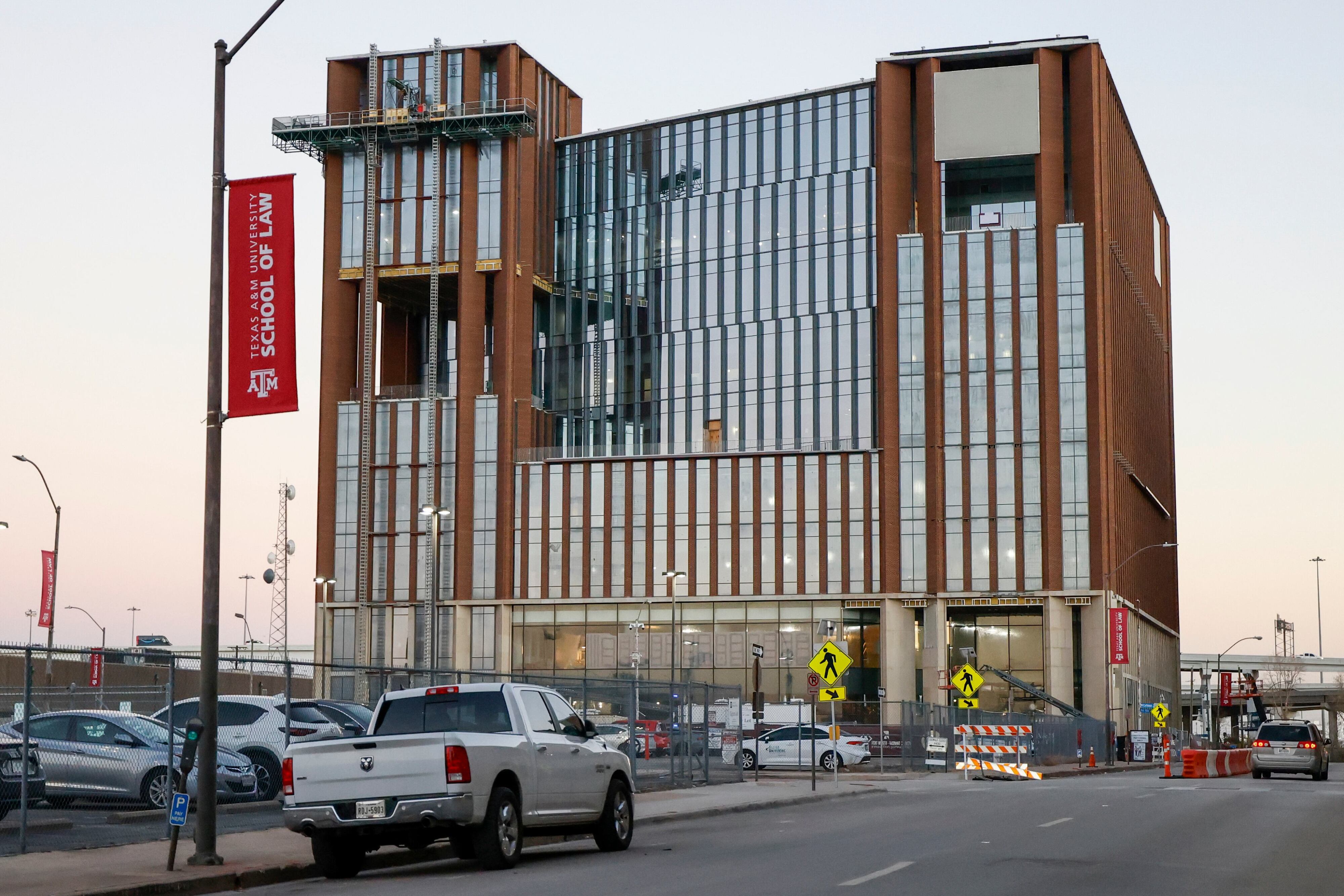
The initial phase of the campus will feature the eight-story Law and Education building, which will commence classes this fall. The campus is projected to expand to a total of five buildings, including two dedicated research and innovation buildings and a facility for performance, visualization, and fine arts. Research and Innovation Building-A, currently in pre-construction, is slated to be the next building to break ground and will primarily house state agencies.
Ahdieh indicated that program offerings will evolve in tandem with the campus’s growth and the changing industry demands of the region. He envisions the Fort Worth campus serving as an “external study” destination for Texas A&M System students seeking practical, experiential learning opportunities in a major metropolitan environment. Ahdieh suggested that students could spend several days a week engaged in externships or co-op programs, believing this hands-on experience would provide a superior education and better prepare graduates for the workforce.