
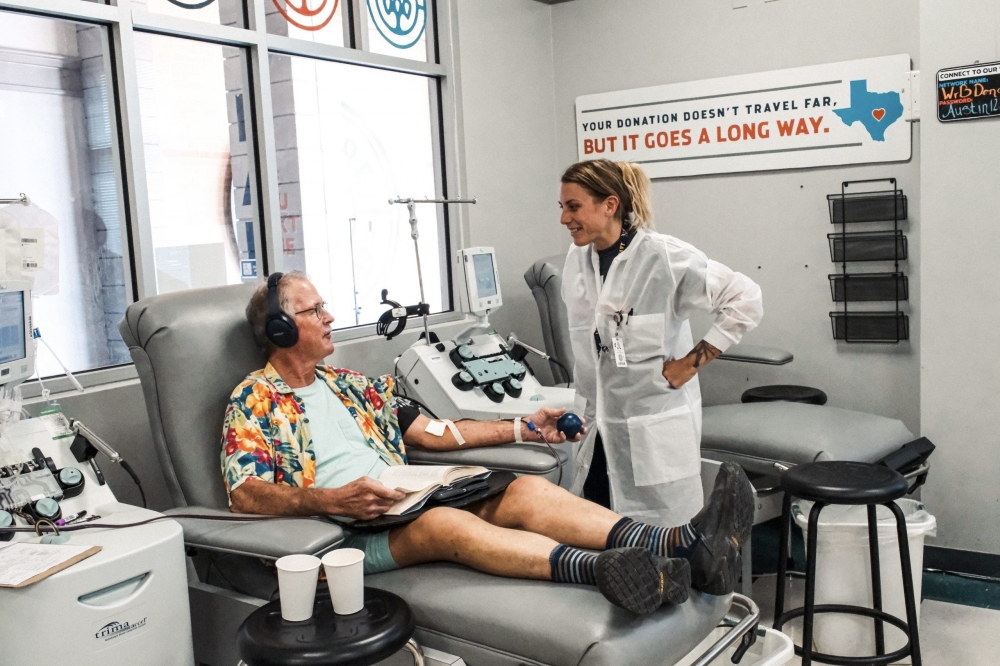
We Are Blood, the sole nonprofit blood center in Central Texas, announced its multiyear strategic plan Feb. 3. The “Every Drop Counts” plan focuses the blood supplier’s efforts on meeting the region’s growing demand for blood products through increased collection and delivery.
What they do
We Are Blood supplies every hospital, clinic and emergency medical services agency performing blood transfusions across 10 counties in Central Texas with blood products. The organization’s strategic plan addresses how the needs of local patients will be met through 2030.
“When a patient needs a blood transfusion in our community, they’re relying on We Are Blood donors who are visiting us at our donor center or mobile blood drives,” said Nick Canedo, We Are Blood vice president of community engagement. “Over the past decade, we have seen a significant increase in the need for our services.”
The overview
The organization currently operates four donation centers and plans to add two more, as detailed in the “Every Drop Counts” plan. A center in Kyle, located at 19037 I-35, Ste. 2, is scheduled to open this summer, and a sixth location will be developed before 2030.
“>
Establishing new donor centers increases accessibility and convenience for community members wishing to donate blood, Canedo said. The establishment of more centers will result in an increase of platelets collected as the process is done exclusively at We Are Blood donor centers.
The organization will increase the number of mobile blood collection buses in its fleet to expand opportunities for communities not located near a donation center. Mobile donations represent approximately 40%-45% of We Are Blood’s collections, Canedo said.
We Are Blood will establish a second processing center, where collections are tested, placed in inventory and sent out. The additional location will help prevent delays if a natural disaster or event impacts operation at the current center.
“When a natural disaster event affects our community, it can also affect how our overall operations take place,” Canedo said. “One important measure of our strategic plan is creating disaster preparedness operations.
The strategic plan outlines the launch of additional programs, including:
The region’s first Pediatric Stem Cell Transplant Program, in partnership with Dell Children’s Medical CenterIn-house molecular testing capabilitiesNew leadership development programs and recruitment strategiesThe impact
The “Every Drop Counts” plan is expected to increase the speed of blood product delivery to medical partners, improve overall patient care and address local blood supply shortages, according to We Are Blood.
The plan was developed utilizing feedback and insights from We Are Blood staff surveys, organizational leaders, and hospital and EMS partners.
“We want to make blood donation convenient and accessible and create more opportunities than ever before,” Canedo said. “We hope that what we see as a result of the growth that we’re undertaking is that more individuals find it convenient to be able to donate blood and are inspired to give.”
Diving deeper
The organization projects a 25% increase in the demand for blood products across Central Texas by 2030. We Are Blood supplies 96% more platelets and 55% more red blood cells to local hospitals than in 2015.
“We saw a need to develop a long-term plan that was going to really ensure that we’re growing our operations, growing our footprint and our ability to collect donations to be able to meet those needs as they continue to grow into the future,” Canedo said.
The increase in demand has been driven by population growth, developed hospitals, expanded EMS programs and new medical services, according to We Are Blood.
Looking ahead
We Are Blood is celebrating its 75th anniversary. The organization will host several celebrations throughout the year to highlight its history and services.
“What we need is the community members themselves because they’re the ones who actually make our mission possible,” Canedo said. “It is their generosity that makes the donations happen, that makes the blood products available for those patients.”