
Home » Airline News In Asia » South Korea and US Airlines Discuss Direct Incheon to Austin Flight to Support Samsung’s 37 Billion Semiconductor Expansion in Texas
Published on
March 18, 2026
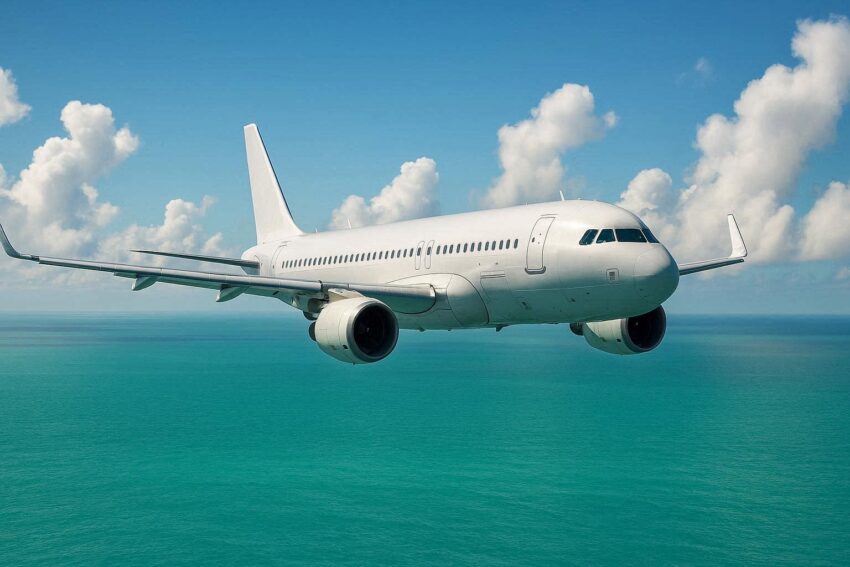
Image generated with Ai
As South Korea’s Korean Air and Delta Air Lines discuss a new direct flight between Incheon, South Korea, and Austin, Texas, the stakes couldn’t be higher. The proposed route is more than just a new addition to airline schedules – it’s a pivotal move that ties together two global powerhouse economies: South Korea and the United States. At the heart of this endeavor is Samsung Electronics’ massive $37 billion semiconductor expansion project in Taylor, Texas. With semiconductor demand skyrocketing, particularly for cutting-edge technologies like 2nm process chips, the need for faster, more efficient travel between key industry hubs is becoming increasingly urgent.
This strategic flight connection would cater to business travelers, engineers, and executives involved in Samsung’s groundbreaking venture, improving mobility and optimizing the semiconductor supply chain. The collaboration between Korean Air and Delta represents a mutual recognition of the growing industrial importance of Taylor and Austin, poised to become central nodes in the global semiconductor ecosystem.
The Urgency Behind the Incheon-Austin Route
On March 11, 2026, Korean Air and Delta Air Lines hosted a critical roundtable in Austin, Texas, where key stakeholders from both the airline industry and local government met to discuss the potential of a direct Incheon to Austin flight. In attendance were Lee Seung-hyuk, Deputy Head of International Affairs at Korean Air, and Brent Rydell, a former Taylor Mayor instrumental in securing Samsung’s investment.
The meeting was prompted by the growing demand for efficient travel between South Korea and Texas, driven by Samsung’s $37 billion investment in a new semiconductor manufacturing facility in Taylor, Texas. Samsung’s decision to produce next-generation chips, including those critical for Nvidia, Tesla, Apple, and AMD, makes this flight route a necessary part of the region’s future. A direct flight would reduce travel time, which is currently over 18 hours due to multiple layovers, and streamline operations for the executives, engineers, and partners engaged in the ongoing projects.
Advertisement
Advertisement
Samsung’s Texas Semiconductor Expansion: A Catalyst for Change
Samsung’s ambitious expansion in Taylor, Texas, represents a key shift in the semiconductor manufacturing landscape. The $37 billion project, which began in 2022, will see Taylor as the hub for 2nm process chip production, vital for the advancement of everything from smartphones to artificial intelligence. This plant will serve major American clients, with Samsung already securing significant contracts related to Apple’s iPhone image sensors.
However, despite the monumental size of the project, Taylor has no existing direct flight routes from South Korea. Currently, travelers between Austin and Incheon must navigate multi-leg flights, usually connecting via hubs like Dallas Fort Worth International Airport (DFW) or Los Angeles International Airport (LAX). For those working in the semiconductor sector, this inefficiency results in delays and increased operational costs. As Samsung’s facility nears completion, the need for a faster, more efficient link between these two industrial hubs has become undeniable.
Advertisement
Advertisement
The Rising Importance of Taylor as a Semiconductor Cluster
Located just 25 kilometers north of Austin, Taylor is quickly emerging as a semiconductor hub in its own right. Korean companies, including suppliers of materials, parts, and equipment, have established a presence to support Samsung’s operations. As the semiconductor industry becomes an integral part of the region’s economic backbone, businesses recognize the value of efficient, direct flight routes to Austin.
An Incheon-Austin route would enhance collaboration across the semiconductor ecosystem, allowing engineers and executives to travel more easily and fostering a stronger integration between South Korea’s technology sector and Texas’ booming semiconductor industry. Officials in Taylor and Austin have emphasized that improved connectivity is essential for long-term industrial growth, reinforcing both cities’ position in the global semiconductor race.
Current Travel Constraints: Why the Direct Flight is Crucial
At present, there is no direct flight between Incheon and Austin, leaving travelers with no choice but to transit through other major US hubs before connecting to domestic flights. This roundabout route often extends travel times to over 18 hours, making it inconvenient for business travelers who require timely and efficient transportation. For key personnel in the semiconductor industry, such as engineers and corporate executives, these delays have become a major bottleneck in the supply chain.
A direct flight between Incheon and Austin would substantially reduce the travel time, making it easier for Samsung’s international teams to collaborate on the facility’s operational needs. This faster mobility would not only benefit Samsung but also other key stakeholders in the semiconductor sector, ensuring that crucial decisions are made without the delays caused by extended travel.
Strategic Importance of the Incheon-Austin Flight Route
The launch of this direct route would not just benefit the semiconductor industry. It would have broader implications for US-South Korea relations, especially as Texas continues to compete to secure its place as a leading player in the global semiconductor market. The introduction of direct international routes is increasingly seen as a vital infrastructure component for attracting foreign investment and supporting industry growth.
Both Korean Air and Delta previously explored launching this route in 2022, after Samsung’s initial investment announcement, but the plan did not materialize due to limited demand at the time. With the new semiconductor facility on the verge of starting operations and greater demand for high-tech manufacturing, the airlines are now revisiting the proposal, hoping to serve a growing market.
Aviation Growth and Long-Term Outlook for the Incheon-Austin Route
While the discussions between Korean Air, Delta, and local stakeholders in Austin and Taylor show a growing alignment on the need for direct connectivity, the final decision on the flight route will depend on sustained demand from business travelers, cargo volume, and long-term industry growth. If implemented, this new flight would not only facilitate the movement of executives and engineers but also support the transportation of goods, vital components, and raw materials essential for semiconductor manufacturing.
The ongoing collaboration between airlines, local government, and Samsung Electronics suggests that a direct Incheon-Austin flight is more than just an idea; it is a business necessity that will play a pivotal role in fostering future growth in the semiconductor ecosystem.
Strengthening US-Korea Semiconductor Ties
The proposed direct flight between Incheon and Austin serves as a powerful symbol of the deepening ties between South Korea and the United States, particularly in the realm of advanced technology and semiconductor manufacturing. As Samsung continues to drive innovation in the tech sector, the need for improved global connectivity becomes even more pressing. This route, once realized, will facilitate better collaboration, faster decision-making, and stronger supply chains, ensuring that Taylor, Texas, remains at the forefront of the semiconductor industry.
