
Fort Worth officials are preparing a lawsuit to potentially seek millions of dollars to reimburse the city for money spent cleaning up its wastewater system following an oil leak last year.
The city plans to sue one or more parties after all costs made to protect Fort Worth’s water system and the Village Creek Wastewater Reclamation Facility have been accounted for, according to documents obtained by the Fort Worth Report in response to an open records request for information on related costs and legal action being pursued.
The documents do not specify potential defendants.
City officials denied a request to provide a comment on the lawsuit.
The city originally referred the Report’s request for legal documents to the Texas attorney general’s office for review, arguing that releasing information about legal developments would interfere with anticipated litigation.
Fort Worth officials approved the water department’s request to spend about $4.8 million in emergency city funds for the cleanup and removal of crude oil from the wastewater treatment plant and a municipal sewer line, according to a May 13 memorandum from the utility.
Additional costs and damages — including increased chemical and power usage for disinfecting the plant, staff overtime and costs associated with violation of environmental regulations — were also expected, the memo states.
On May 6, the Environmental Protection Agency was notified of 100,000 gallons of crude oil that leaked and entered a Fort Worth municipal sewage pipe.
The oil leaked from an Arlington transmission line owned and operated by oil and gas company Energy Transfer near the intersection of West Division Street and Green Oaks Boulevard, just north of Lake Arlington.
The affected sewer line runs to the Village Creek facility, where wastewater is treated by Fort Worth.
Energy Transfer officials did not immediately respond to a request for comment.
Most of the leaked oil was contained within the Village Creek treatment plant and was safely removed by environmental contractors, city spokesperson Mary Gugliuzza said in a statement last year. The contained oil was then transported to one of the oil company’s facilities.
Small amounts of residual oil remained in the city’s wastewater treatment system, which “disrupted our biological treatment process,” Gugliuzza said then.
The oil affected beneficial microbes — also known as biomass or activated/waste activated sludge — that play a critical role in removing soluble organics found in domestic wastewater, Gugliuzza added.
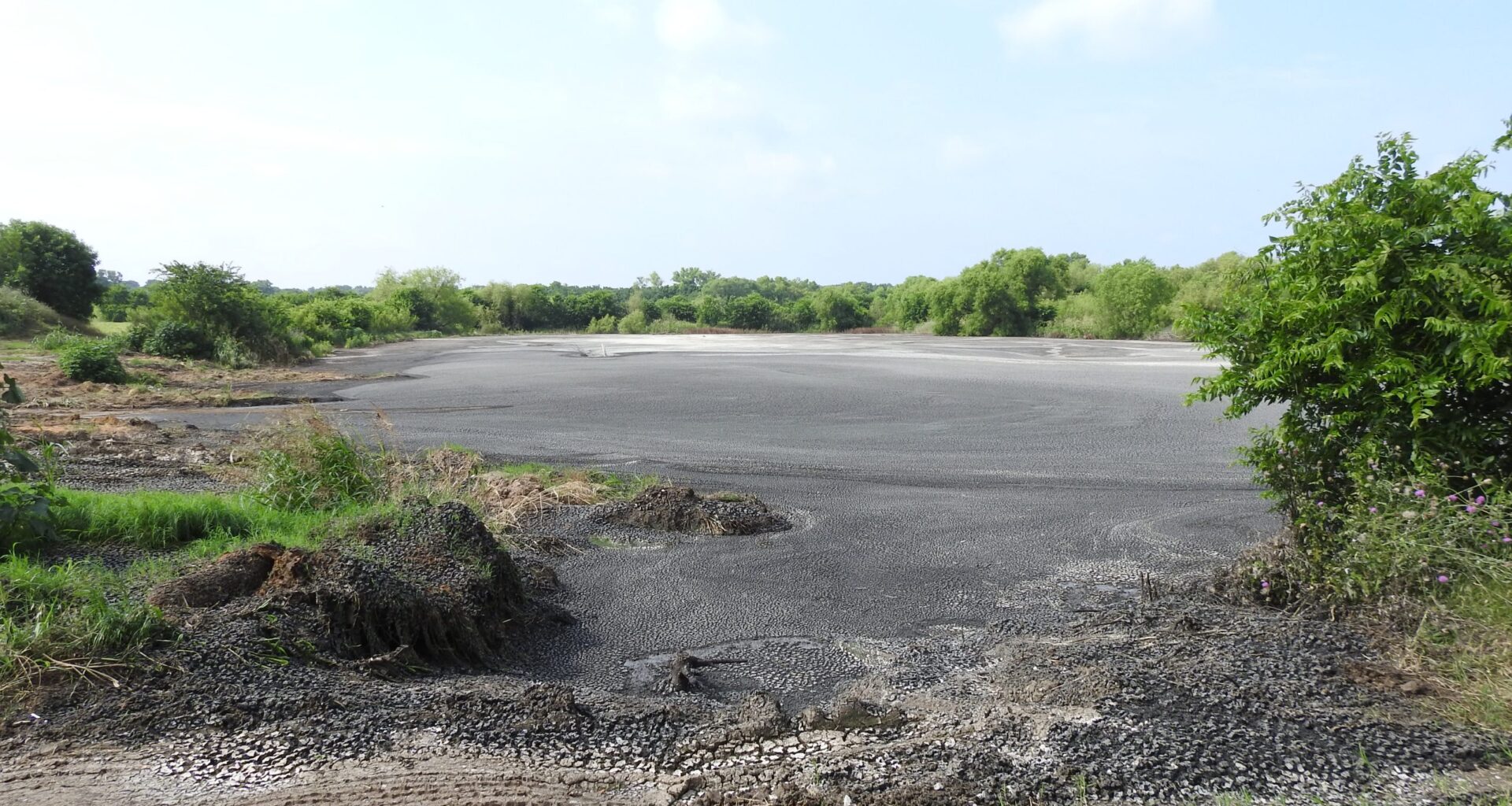
The affected sewage sludge was stored at the Village Creek facility’s drying beds for air drying before disposal of the biomass. Owned by the city of Fort Worth, the drying beds are permitted for wastewater and biosolid treatment as needed.
 The painted bunting bird is among the hundreds of bird species that inhabit the natural area surrounding the Village Creek Drying Beds. (Courtesy photo | Colby Ayers)
Clean up of the plant wrapped up on May 23, officials have said. The contaminated sludge was removed from the drying beds by Dec. 19.
Energy Transfer assisted in the cleanup of the treatment plant and disposal of crude oil, according to the city’s memo.
The oil leak prompted concern from residents over how the sludge stored at the drying beds would affect wildlife, primarily the migratory birds that largely inhabit the area.
Fort Worth officials no longer allow public access to the drying beds, Gugliuzza said, but will consider occasional opportunities to open the site. That will include on-site security, signed releases, limited areas of access and hours, she said.
Colby Ayers, an avid birder, considers the closure a “sad and disappointing situation,” but is grateful to work with the city on occasional visits to the drying beds.
“I’m hoping this isn’t the final chapter for Village Creek,” Ayers said. “It may take a while, but I’m hopeful that in the future, there might be a day when it reopens.”
Ayers and other birders were permitted access to the site in December and February for bird counts. The counts, led by the Fort Worth Audubon Society and local chapters across the country, collect data on populations and species for the Cornell lab database, eBird.
“It’s a really important site,” Ayers said. “It’s not only for birds, but for other animals that call Village Creek its home. I just think it’s really important to preserve it and protect it.”
Nicole Lopez is the environment reporter for the Fort Worth Report. Contact her at nicole.lopez@fortworthreport.org.
At the Fort Worth Report, news decisions are made independently of our board members and financial supporters. Read more about our editorial independence policy here.
This <a target=”_blank” href=”https://fortworthreport.org/2026/03/19/oil-leak-closed-birders-beloved-drying-beds-fort-worth-to-sue-for-millions-in-damages/”>article</a> first appeared on <a target=”_blank” href=”https://fortworthreport.org”>Fort Worth Report</a> and is republished here under a <a target=”_blank” href=”https://creativecommons.org/licenses/by-nd/4.0/”>Creative Commons Attribution-NoDerivatives 4.0 International License</a>.<img src=”https://i0.wp.com/fortworthreport.org/wp-content/uploads/2021/04/cropped-favicon.png?resize=150%2C150&quality=80&ssl=1″ style=”width:1em;height:1em;margin-left:10px;”>
<img id=”republication-tracker-tool-source” src=”https://fortworthreport.org/?republication-pixel=true&post=452725&ga4=2820184429″ style=”width:1px;height:1px;”><script> PARSELY = { autotrack: false, onload: function() { PARSELY.beacon.trackPageView({ url: “https://fortworthreport.org/2026/03/19/oil-leak-closed-birders-beloved-drying-beds-fort-worth-to-sue-for-millions-in-damages/”, urlref: window.location.href }); } } </script> <script id=”parsely-cfg” src=”//cdn.parsely.com/keys/fortworthreport.org/p.js”></script>