
We go for regular checkups for our bodies and teeth, but what about our brains? Brain health is pivotal, and it needs four things to thrive: healthful nutrition, restful sleep, exercise and social connection.
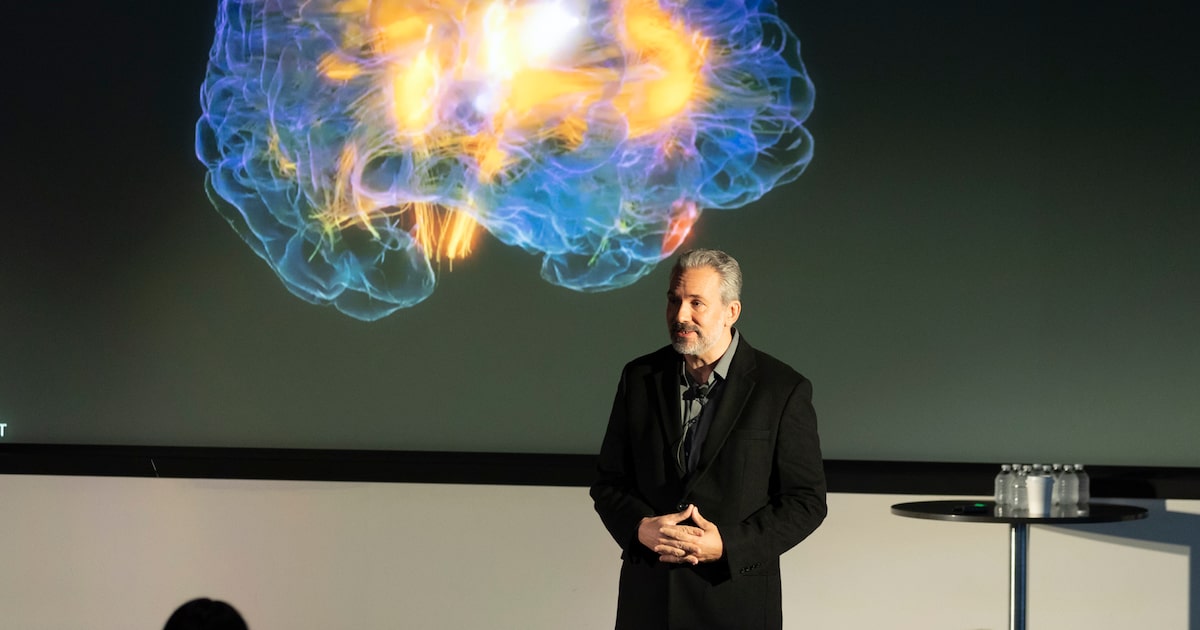
That’s the advice of prominent scientists who spoke at the Level Up Conference & Tech Expo in February at the Center for BrainHealth at the University of Texas at Dallas.
Related

“You have as much control over the health and fitness of your brain as you do over your body,” says John Cryan, chair of the anatomy and neuroscience department at University College Cork and a principal investigator at APC Microbiome Ireland Institute.
FWD>DFW
As Center for BrainHealth Chief Director Sandra Bond Chapman puts it, “Everything you do affects your brain … Wherever you are, you can get better.”
Cryan is an expert on the gut microbiome, and his research shows it’s key not only to brain health and neurological aging, but also to sleep and even social behavior.
Give it what it craves: high-fiber foods, especially legumes like split peas, lentils and black beans; colorful fruits and vegetables — particularly berries, which contain antioxidant polyphenols; fermented foods such as yogurt, kombucha and sauerkraut (preferably unheated); and omega-3 fatty acids found in English walnuts, cold-water fish like salmon and specifically labeled eggs.
“If you want a simple rule, just go with color,” Cryan says. “Fiber is probably the unsexiest food you can talk about, but it really feeds your microbes.”
Sugar and ultra-processed foods do the opposite, he notes, starving beneficial bacteria while promoting the growth of pro-inflammatory microbes. The microbiome also benefits from aerobic exercise, reduced stress and consistent sleep, as well as minimizing antibiotics and even having a pet — especially a dog, Cryan says.
Sleep shouldn’t be a battle
How do you get a good night’s sleep? Embrace it as a cuddly teddy bear — not a creature you have to bash into submission, advises University of Oxford circadian neuroscience professor Russell Foster.
To promote sleep, keep all electronics out of the bedroom, including clocks, and switch off screens at least 30 minutes before bedtime, Foster recommends. The room should be quiet, dark and cool — about 62 to 64 degrees Fahrenheit. If your partner snores, wear earplugs or sleep in a different room.
“Stay calm if you wake up and you’ll go back to sleep,” Foster says. Additional tips include avoiding caffeine after 2 p.m. and, if you nap, limiting it to 20 minutes.
Our brains are cued by the daily rhythm of the Earth’s rotation and have evolved to sleep at night. Disruptions to sleep and circadian rhythms can cause psychosocial and physiological disturbances, such as irritability, anxiety and a negative worldview, he says. Case in point: Working night shifts is so detrimental that the World Health Organization classifies it as a probable carcinogen.
Move your body, support your brain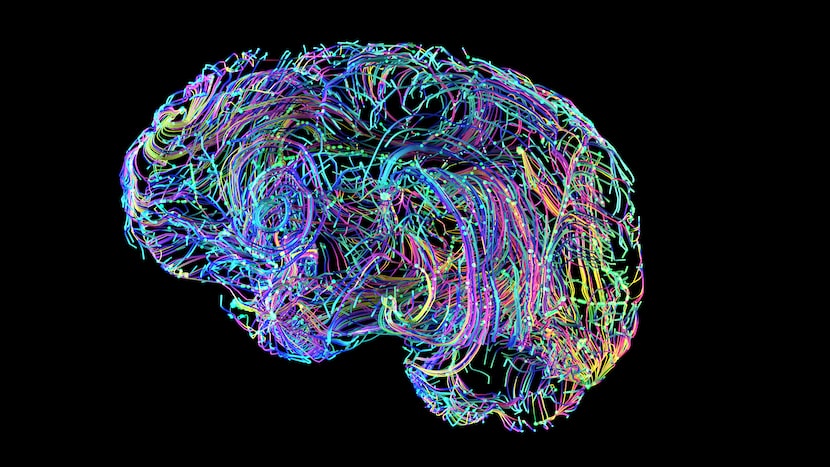
According to prominent scientists who spoke at the Level Up Conference & Tech Expo in February at the Center for BrainHealth at UT Dallas, the brain needs four things to thrive: healthful nutrition, restful sleep, exercise and social connection.
Design Cells / Courtesy UT Dallas
Exercise has enormous benefits, including improving sleep, notes Dr. Tommy Wood, associate professor of pediatrics and neuroscience at the University of Washington.
“When it comes to brain health and physical health, how we move and how much we move is much more important than how we look physically on the outside,” Wood says. Every movement counts, from simply standing at your desk to an exercise “snack” of 10 squats.
Aerobic activities — such as brisk walking, cycling and rowing — can improve brain function, including for older adults who begin exercising later in life. High-intensity workouts like sprinting, along with coordinated activities such as dancing, martial arts and racquet sports, offer additional benefits, he says.
Weightlifting also supports cognitive health. One study of 300,000 people found that greater muscle mass was associated with a lower risk of dementia, Wood says. “Physical activity and exercise is the one thing that seems to either slow or reverse every single one of the biological markers of aging — nothing else does that,” he explains. “Or, put another way, being sedentary accelerates the aging process.”
Still, more isn’t always better. A study of marathon runners found that brain myelin — which speeds neural transmission — was temporarily depleted after a race and took months to recover.
The power of connection
Social interaction is crucial for human development from birth — and remains essential throughout life.
Like the brain’s other needs, this is rooted in evolution. Humans were historically safer in groups, so the brain interprets isolation as a stressor, releasing cortisol that can lead to inflammation and illness, explains neuroscientist Ben Rein, author of Why Brains Need Friends.
Loneliness has surged in the aftermath of the COVID-19 pandemic due to multiple factors, including increased at-home entertainment, political division, reliance on screens and “the automation of everything,” from grocery shopping to hotel check-ins, he says.
The consequences can be serious. Loneliness is linked to higher rates of depression, anxiety, heart attack, stroke and suicide. Prisoners held in solitary confinement are 78% more likely to die by suicide in the first year after release, he says.
The good news: Any social interaction helps — from waving at a neighbor or chatting with a stranger to texting, calling or attending events. In-person interaction, however, is the most beneficial.
Consider this: In one study of nuns, an elderly woman was found to have advanced Alzheimer’s disease after her death, despite showing no symptoms during her life.
Individual social needs vary based on personality and levels of introversion or extroversion. Rein recommends keeping a diary of social interactions, practicing kindness and gratitude, using FaceTime or similar apps for more lifelike conversations, and being willing to strike up conversations.
Don’t fall into the common traps of overestimating rejection, underestimating your social skills or undervaluing how much others enjoy your company, he says. “It’s almost guaranteed you will feel better after the interaction,” Rein says.
UT Southwestern Medical Center taking part in Make America Healthy Again programWant to start the new year on the right foot? Showing gratitude may help