
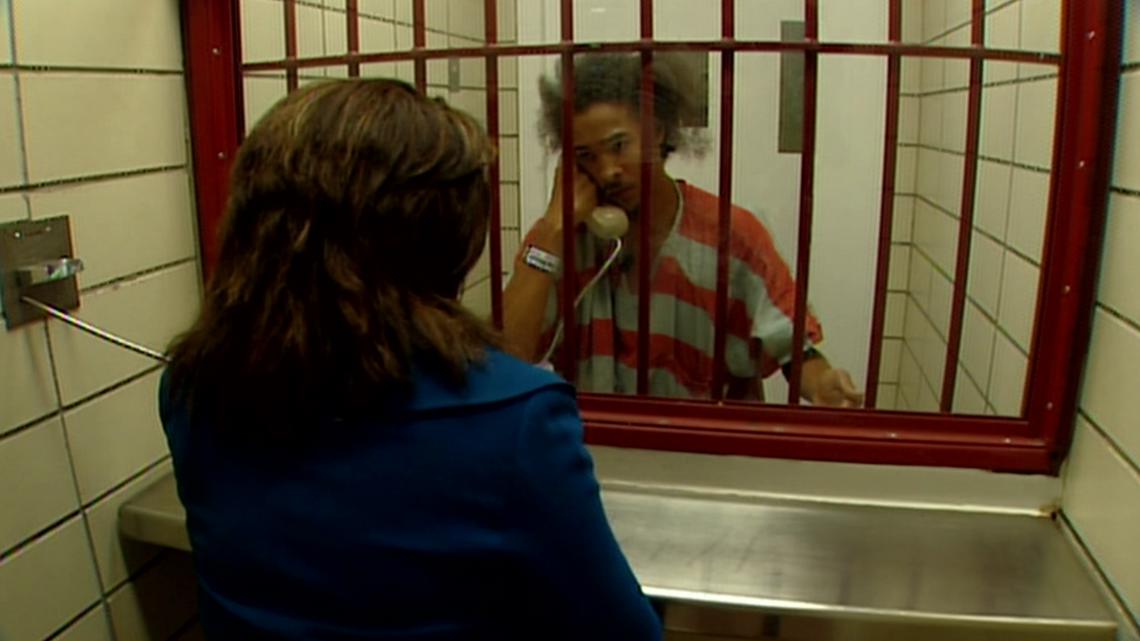
James Broadnax, sentenced to death for a 2008 double murder in Garland, has long been identified as the gunman. But now Damarius Cummings says he was the shooter.
DALLAS — A North Texas man scheduled to be executed next month is at the center of new legal claims, a recantation from his co-defendant, and growing national attention from prominent figures in the music industry.
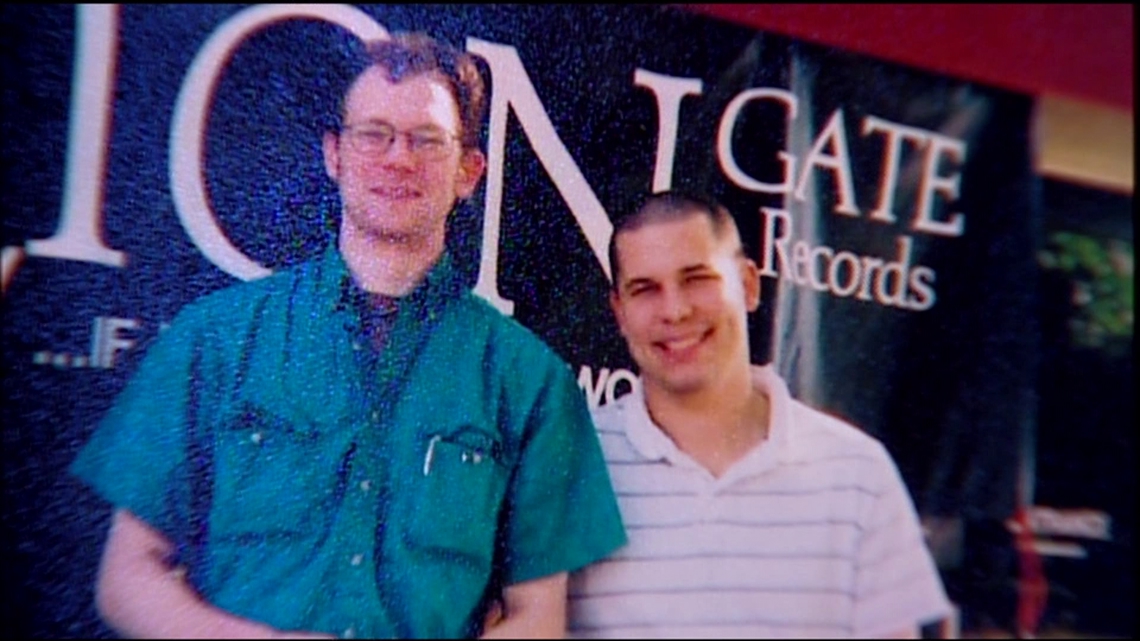
James Broadnax is set to be executed on April 30 for the 2008 killings of Matthew Butler and Stephen Swan during a robbery outside a Garland recording studio. Broadnax and his cousin, Damarius Cummings, were both convicted of capital murder. Cummings was sentenced to life in prison, while Broadnax received the death penalty.
In a recent sworn statement filed in court, Cummings now says he — not Broadnax — was the gunman.
“I persuaded James to take the blame for shooting the two victims. In fact, I was the one who shot the two victims, not James.”
“I have always maintained that James was the one who shot Mr. Swan and Mr. Butler. But the fact that James received the death sentence for these crimes, while I was the one who shot the victims, has been weighing on my conscience, particularly since I have become more spiritual during the years in prison.”

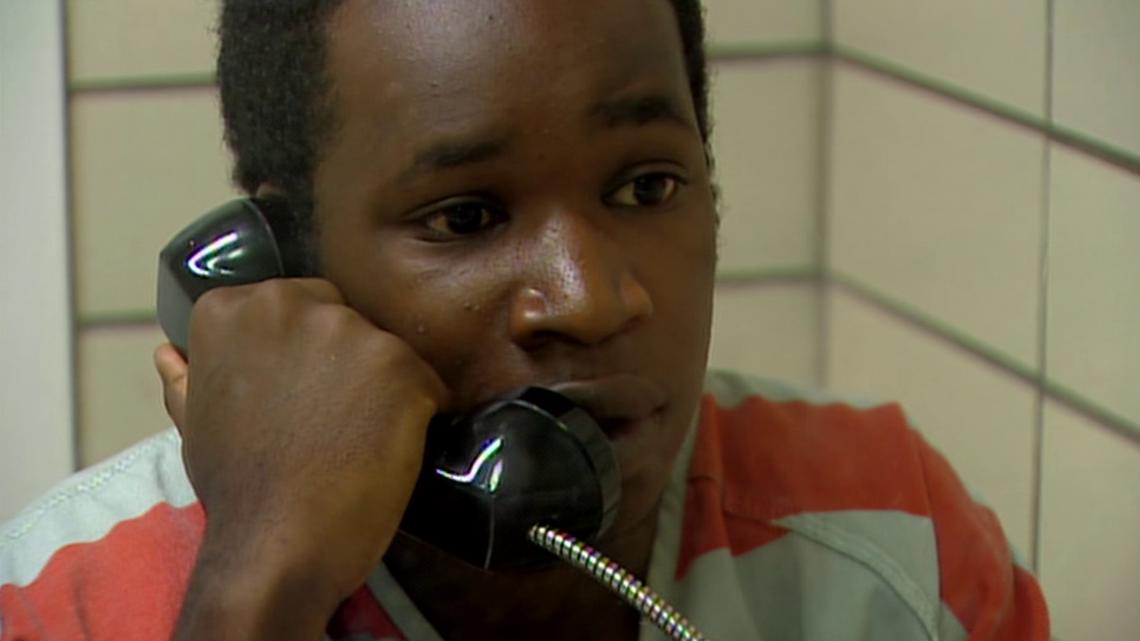
The new claims directly contradict earlier statements from both men following the killings. In recorded interviews, Broadnax described the encounter leading up to the shooting and admitted involvement. Investigators have previously said both men identified Broadnax as the shooter at the time.
According to those interviews, the cousins approached the victims outside Butler’s recording studio. Cummings described how they initially considered using an AK-47 but instead chose a handgun because it was easier to conceal.
After the shooting, the two realized they had gained almost nothing from the robbery.
“I mean just two dollars … all this over two dollars.”
During the trial, emotional testimony from the victims’ families underscored the impact of the killings. Swan’s mother spoke about her loss, while Butler’s mother told Broadnax she had forgiven him.
Broadnax’s attorneys are now asking courts to halt the execution, citing Cummings’ new confession, as well as DNA evidence they say links Cummings — not Broadnax — to the gun.
The case is also drawing national attention over the use of Broadnax’s rap lyrics during the punishment phase of his trial. Prosecutors introduced dozens of pages of handwritten lyrics to argue he would be a future danger — a key requirement for the death penalty in Texas.
A group of prominent hip-hop artists, including Killer Mike, T.I., Young Thug, Fat Joe, N.O.R.E. and Travis Scott, have filed legal briefs supporting Broadnax, arguing that prosecutors improperly used artistic expression as evidence.
“A death sentence based in any part on protected artistic expression violates not only the First Amendment but our most basic principles of due process,” said Ellyde R. Thompson, a lawyer representing Travis Scott.

Court records show prosecutors used peremptory strikes to remove Black jurors during jury selection, though one was later reinstated by the judge.
Attorneys for the state argue Broadnax raised some of his legal challenges too late and maintain the conviction and sentence should stand. The Dallas County District Attorney’s Office said, “Our office will do its due diligence and respond to the motion.”
Broadnax was 19 at the time of the crime.
His execution remains scheduled for April 30, though courts are expected to rule on requests for a stay in the coming weeks.
Under Texas law, known as the law of parties, a person can be convicted of capital murder even if they did not pull the trigger, as long as they participated in the crime.