
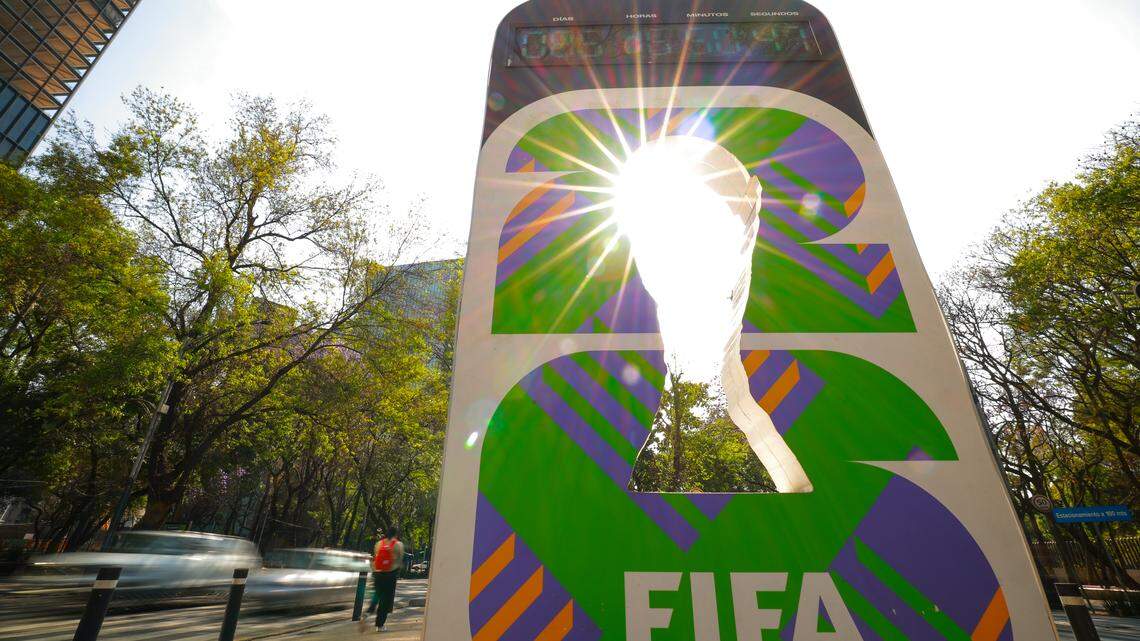
MEXICO CITY, MEXICO – MARCH 16: A sign advertising the FIFA World Cup 2026 is seen at Paseo de la Reforma street on March 16, 2026 in Mexico City, Mexico. Mexico City will host the FIFA World Cup 2026, hosting this tournament for the third time in history.
Hector Vivas
Getty Images
After the roar of the stadium fades and your World Cup adrenaline settles, there’s a side of Fort Worth that might surprise you — just a few miles west of downtown lies one of the country’s most celebrated cultural districts. With world-class museums, striking architecture and genuine Texas hospitality, it’s the perfect counterbalance to match-day madness.
Why it’s a smart stop for World Cup visitors
If you’re in North Texas for the 2026 World Cup, chances are your schedule revolves around matches, hotels and the chaos of a global sporting event. The Cultural District offers a breather.
It’s just west of downtown Fort Worth and about 20–30 minutes by car from AT&T Stadium in Arlington (aka Dallas Stadium for the tournament). Hosting nine matches (including a semifinal on July 14) the stadium will be packed, so a few hours in a calmer, walkable area filled with art and architecture is a welcome reset.
Timing is convenient, too: most museums are open Tuesday through Sunday, so you can slot cultural excursions around the tournament without missing a kick. Staff and signage are used to international visitors, so navigating the collections is easy, no matter your experience with art or American history.
The Kimbell Art Museum
At the heart of the district sits the Kimbell Art Museum, famous for both its collection and its architecture. Louis Kahn’s 1972 design is a masterpiece of natural light, with cycloid barrel vaults and wing-shaped reflectors bathing the galleries in a soft, silvery glow.
Inside, the permanent collection spans antiquities to mid-20th-century art, including works by Fra Angelico, Rembrandt, Goya, Monet, Picasso, Matisse and Michelangelo’s first known painting. Admission to the permanent collection is free, and the Kimbell Café is a solid spot to grab lunch before or after exploring.
Modern Art Museum of Fort Worth
A short stroll from the Kimbell, the Modern Art Museum of Fort Worth offers a completely different vibe. Tadao Ando’s Pritzker Prize-winning design — five flat-roofed pavilions floating over a reflecting pond — is considered one of the world’s most beautiful museum buildings.
Inside, you’ll find over 3,000 works of modern and contemporary art, including Andy Warhol, Jackson Pollock and Mark Rothko. Admission is $10 for adults, $4 for students and seniors and free for kids 12 and under. Don’t skip Café Modern, where the pond views are almost as memorable as the art.
Amon Carter Museum of American Art
Rounding out the “big three,” the Amon Carter Museum of American Art focuses on 19th- to mid-20th-century American art. Philip Johnson’s 1961 building, made of Texas shellstone, offers sweeping skyline views and simple elegance.
Highlights include nearly 400 works by Frederic Remington and Charles M. Russell, plus pieces by Winslow Homer, Georgia O’Keeffe, Thomas Eakins and John Singer Sargent. The museum is also a major hub for American photography, making it a great starting point for international visitors curious about U.S. culture. Best of all, admission is free.
Beyond the big three
While the Kimbell, the Modern and the Amon Carter anchor the Cultural District, several other attractions fill out the picture for visitors with varied interests:
The Fort Worth Museum of Science and History is the right choice for families, with interactive exhibits and a planetarium. The Cattle Raisers Museum, on the museum’s second floor, tells the story of the cattle industry that shaped this part of Texas.
The National Cowgirl Museum and Hall of Fame celebrates the women of the American West (a story that doesn’t get nearly enough attention and is worth an hour or two).
The Will Rogers Memorial Center rounds out the district, serving as home to rodeos, equestrian events and major festivals. Depending on when you’re visiting during the tournament, there may be additional events here worth checking out.
Getting there and getting around
The Cultural District is a few miles west of downtown Fort Worth, about 10 to 15 minutes by car or ride-share. From AT&T Stadium in Arlington, expect roughly 20 to 30 minutes depending on traffic (and during the World Cup, factor in extra time). Ride-share is the easiest option for most visitors; the museums are all within comfortable walking distance of each other once you’re there.
Hours vary by museum, but most are open Tuesday through Sunday from 10 a.m. to 5 p.m. and closed Mondays and major holidays. Always check each museum’s website before visiting, particularly during the tournament when programming may shift. Ample parking is available in museum lots and nearby garages.
All major museums are wheelchair accessible.
Admission summary: The Kimbell’s permanent collection and the Amon Carter are both free. The Modern charges $10 for adults with discounts available. Special exhibitions at any museum may require separate tickets.
More information and a full directory of venues is available at fortworth.com and through each museum’s website.
How to make the most of it
Go in the morning. Museums tend to be quieter in the first hour or two after opening, which means better access to popular works and more room to appreciate the architecture.
Wear comfortable shoes. The district is walkable (wide sidewalks and landscaped grounds connect the major venues) and you’ll cover more ground than you expect.
Check for World Cup-specific programming. Museums often create special events around major local happenings, and the World Cup is about as major as it gets. Keep an eye on each museum’s website as the tournament approaches.
Don’t rush. The architecture, the outdoor spaces and the collections all reward a slower pace. If you’re used to checking off tourist attractions, consider this a chance to do the opposite.
Use it strategically. The Cultural District works as a recovery day between matches, a morning activity before an evening kickoff, or a rainy-day backup plan. Build some flexibility into your schedule and it’ll fit naturally.
For visitors after more than just stadium energy, Fort Worth’s Cultural District is an unexpected highlight that’s sure to make your trip memorable — the kind of place you tell friends about when they ask what surprised you most!
This article was created by content specialists using various tools, including AI.
This story was originally published March 17, 2026 at 12:50 PM.