
Daily Dose
2026
March / Future Physicians Find Their Match
TTUHSC School of Medicine Students Open Envelopes that Reveal Residencies
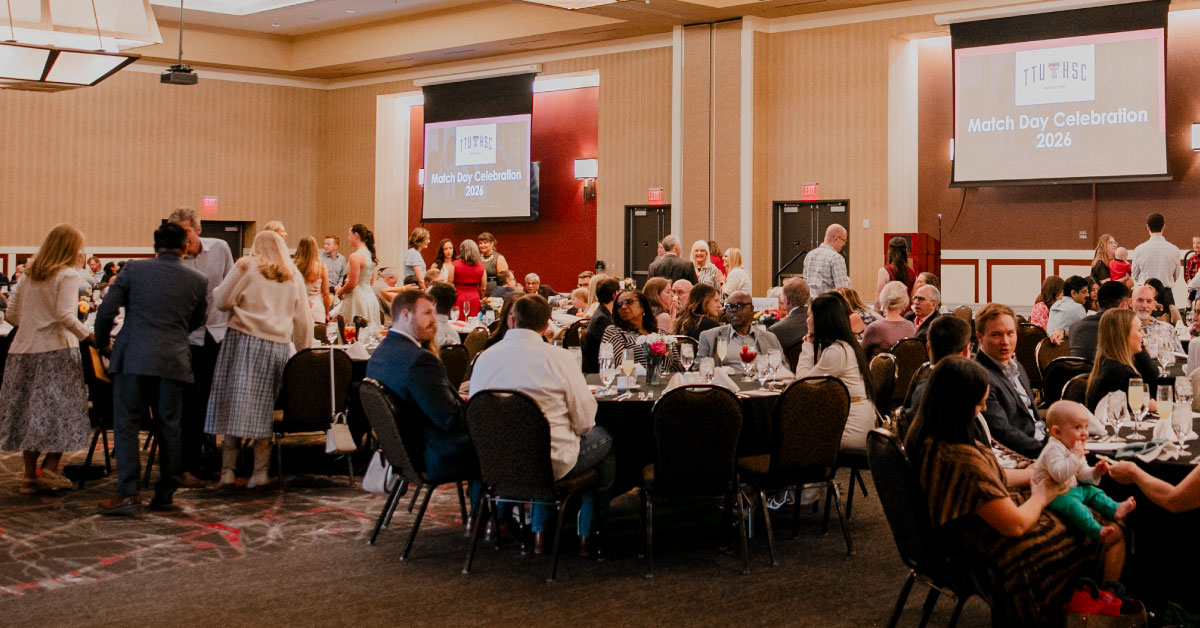
Lubbock Campus Celebration
March represents springtime, new beginnings and time for Match Day for fourth-year
medical students nationwide. Texas Tech University Health Sciences Center (TTUHSC) School of Medicine students participated in Match Day today (March 20).
John C. DeToledo, M.D., TTUHSC executive vice president for clinical affairs and dean
of the School of Medicine, said behind every Match result is a story of persistence,
growth and commitment to the medical profession.
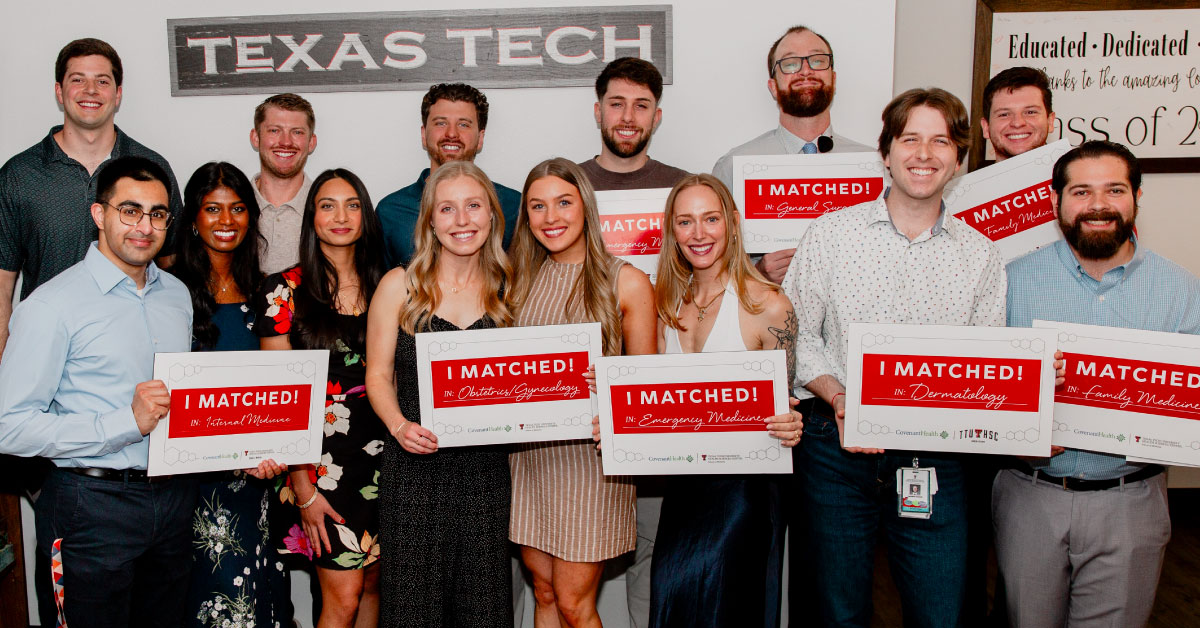
Covenant Site
“For each of our students, the Match represents a carefully choreographed process,”
DeToledo said. “It reflects many years of effort — earning strong letters of recommendation,
spending long hours in clinics and the wards, engaging in research and scholarly writing,
completing away rotations and preparing for the countless Zoom interviews with program
directors from programs across the nation. All of this culminates in the creation
of a rank-order list — an exercise that ultimately determines where you will train
and, in many ways, what your life will look like for the next three to seven years.”
For this class of students set to graduate in May, new beginnings unfolded with anticipation
and excitement as they opened their sealed envelopes in unison with students across
the country. Once opened, the envelopes’ contents revealed where they will spend the
next three to seven years as residents and what specialty they will pursue for their
professional careers.
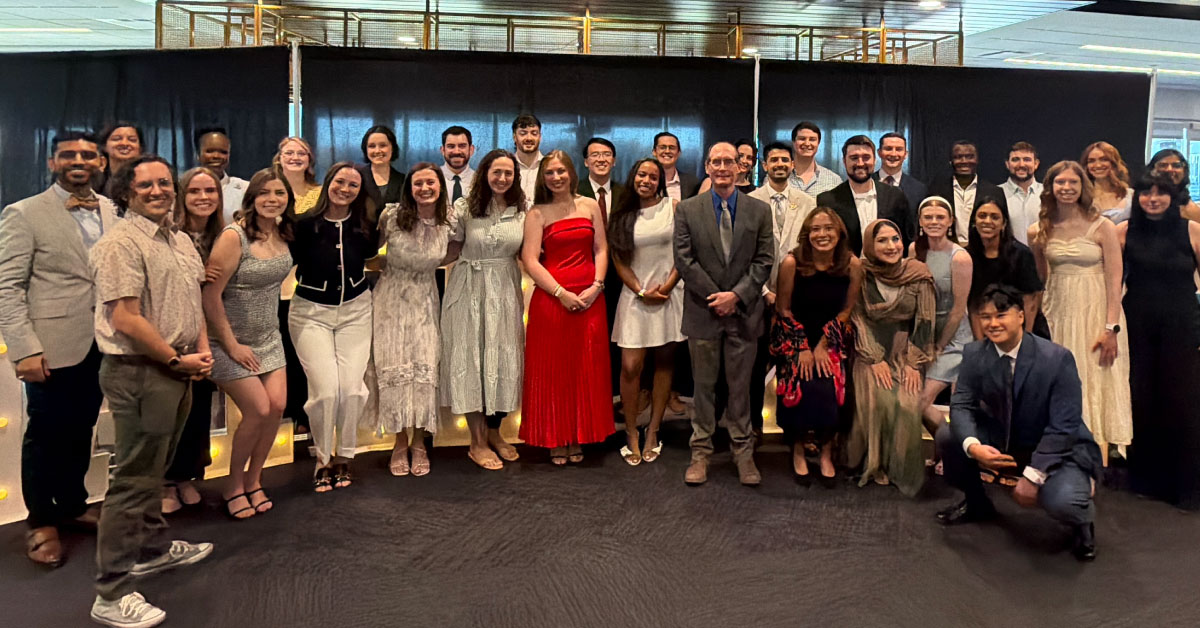
Amarillo Campus
A combined total of 180 fourth-year TTUHSC School of Medicine students from campuses
in Lubbock, Amarillo and Odessa participated in the Match. Of that total, an estimated
23% matched at one of the TTUHSC-affiliated residency programs; 63% are remaining
in Texas; 36% matched outside of Texas and 47% of the overall students matched to
a primary care-affiliated residency program.
“An estimated 25 students matched into specialty areas that are considered to be highly
competitive, including areas such as ophthalmology, orthopedic surgery and urology,
demonstrating the quality of our educational program and the strength of the career
advising program within the school,” Simon Williams, Ph.D., senior associate dean
for Academic Affairs, said. “We had the highest number of matched students for many
years, probably the highest in school history.”
Match Day is a nerve-wracking event that has played out on medical school campuses
across the country since 1952. Months before Match Day, students begin applying to
residency programs in their preferred specialties. Students visit sites to evaluate
and ultimately rank their preferred residency programs. At the same time, administrators
at each site interview and rank applicants. The process is blinded, so neither applicants
nor programs can see each other’s rank-order lists.
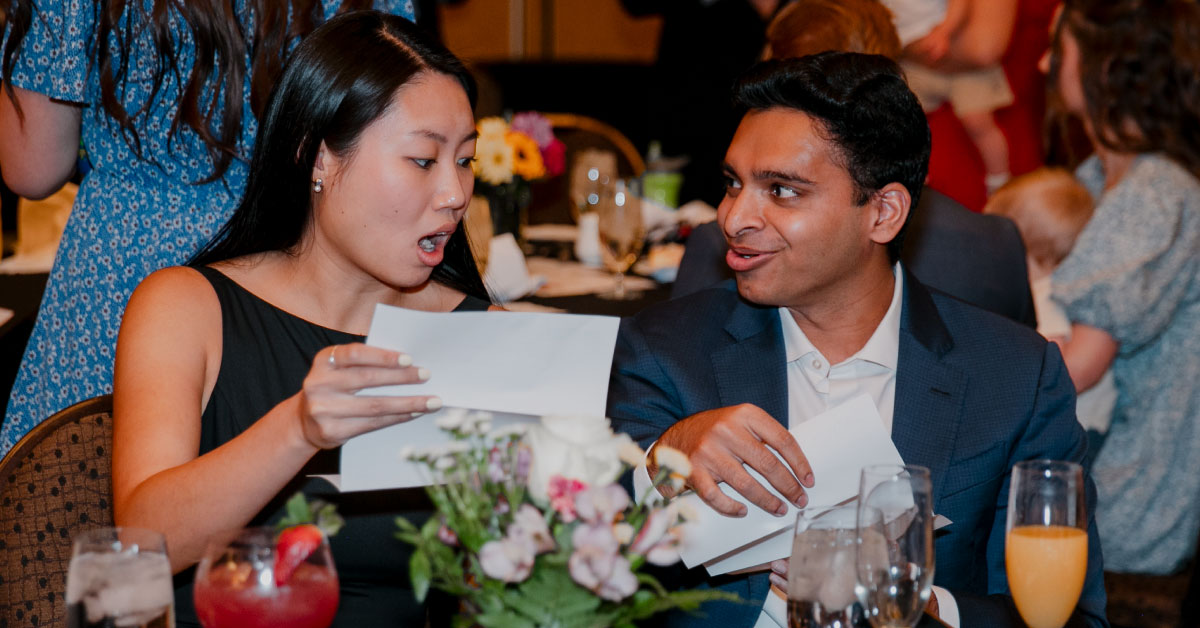
Lubbock Campus
Many students apply for more than one medical specialty and do not know which they
matched with until Match Day. Although the majority of U.S. medical school seniors
match to one of their top three program choices, applicants may match to programs
lower on their rank order list, especially when their preferred specialty for training
is among the most competitive.
The National Resident Matching Program coordinates this process and makes the final
match algorithm, which is designed to produce results for students to fill the thousands
of training positions available at U.S. teaching hospitals.