
Home » AIRLINE NEWS » American Airlines Flight AA5155 from Dallas to Corpus Christi Makes Urgent Emergency Landing in DFW
Published on
March 23, 2026
By: Rana Pratap
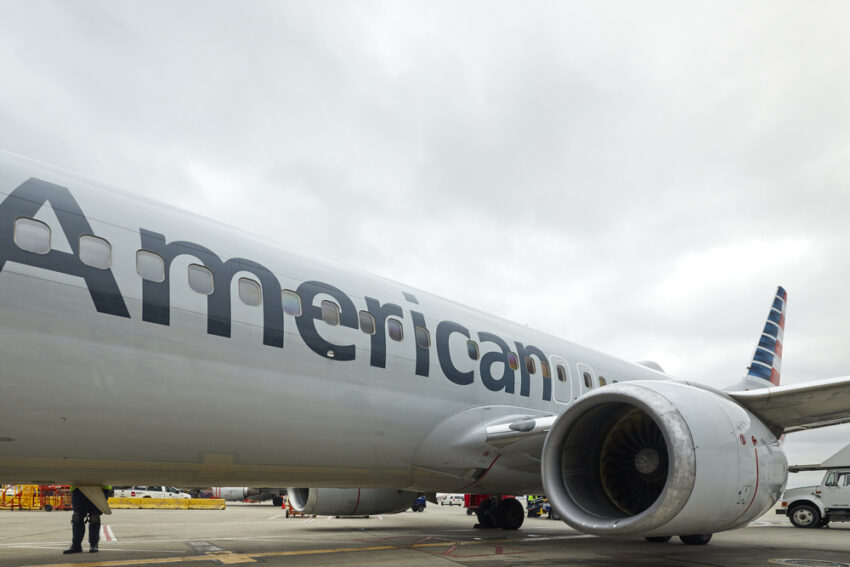
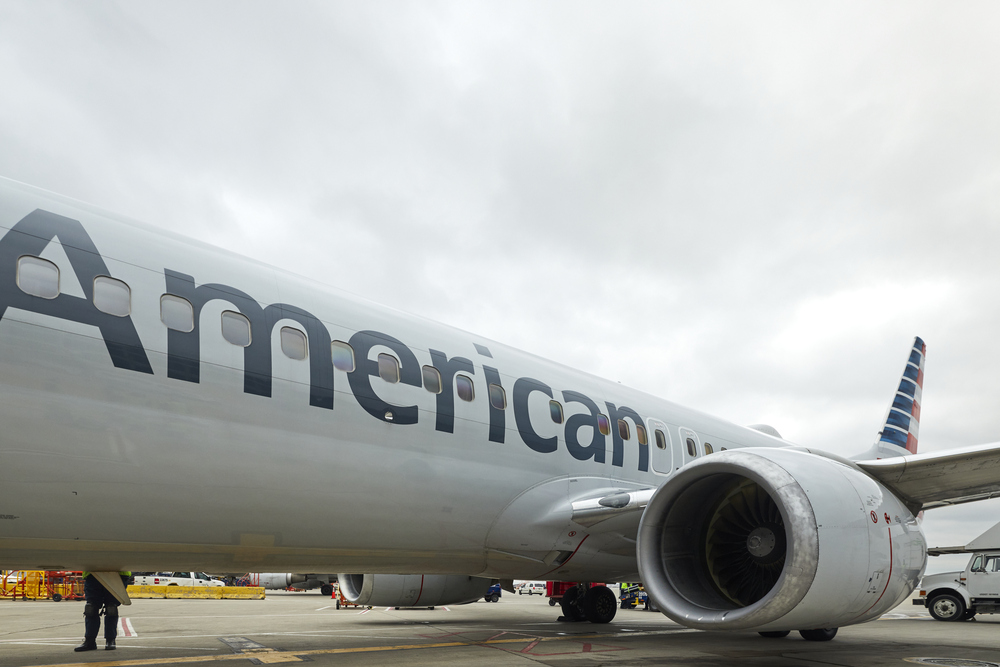
Image generated with Ai
After the crew discovered a technical or operational problem mid-flight, American Airlines Flight AA5155 from Dallas to Corpus Christi made an urgent emergency landing back in DFW as a precaution. The aircraft, a CRJ9 (N560NN), had taken off on time, but the in-flight issue prevented it from continuing. After coordinating with air traffic control and according to regular safety procedures, the pilots successfully returned the plane to Dallas. By putting passenger safety ahead of schedule, the action prevented the problem from getting worse.
Instead of continuing toward Corpus Christi, the pilots took decisive action and redirected the aircraft back to Dallas. The flight ultimately landed safely, with no reported injuries, demonstrating a controlled and precautionary response to an unfolding in-flight concern.
Flight Data Reveals Controlled Diversion
Operational data indicates that the aircraft did not proceed beyond its initial flight phase before the diversion decision was executed. The flight was officially recorded as “diverted to DFW,” confirming that the aircraft returned to its origin airport rather than seeking an alternate location.
At the time of final tracking, the aircraft showed a barometric altitude of 0 feet and ground speed of 0 knots, indicating that it had successfully landed and was stationary. The recorded track of 351° further reflects the aircraft’s orientation during its ground phase following the emergency return.
Advertisement
Advertisement
Key flight details:Flight Number: AA5155Airline: American AirlinesRoute: Dallas (DFW) to Corpus Christi (CRP)Aircraft Type: CRJ9Registration: N560NNDeparture Time: 22:30Scheduled Arrival: 23:59Final Status: Diverted and returned to Dallas (DFW)
The data confirms that the situation was handled methodically, with no indication of erratic flight behaviour or uncontrolled descent.
Crew Responds Swiftly to In-Flight Concern
While the airline has not disclosed the exact reason behind the emergency landing, aviation protocols suggest that such decisions are typically triggered by technical alerts, mechanical irregularities, or onboard system warnings. In some cases, even minor anomalies can prompt a return, as modern aviation standards prioritise risk prevention over continuation.
Advertisement
Advertisement
The flight crew’s response reflects adherence to strict safety procedures. Upon identifying the issue, pilots would have communicated with air traffic control, assessed system data, and initiated a controlled return path. Emergency preparedness measures would have been activated to ensure a safe landing without delay.
Importantly, the aircraft maintained stability throughout the process, indicating that the situation, while serious enough to require diversion, remained manageable.
Passenger Journey Interrupted but Safety Maintained
Passengers onboard Flight AA5155 experienced an unexpected disruption as the aircraft was unable to reach Corpus Christi. The return to Dallas likely resulted in delays, missed connections, and the need for rebooking or alternative travel arrangements.
Airlines typically deploy ground support teams immediately after such incidents to assist affected travellers. This includes arranging replacement flights, providing accommodation if necessary, and ensuring passengers are informed about next steps.
Despite the inconvenience, the priority remained firmly on passenger safety. The smooth execution of the emergency landing ensured that all individuals onboard were returned safely to Dallas without further escalation.
Aircraft Likely Subject to Technical Inspection
Following the emergency landing, the aircraft will almost certainly undergo a detailed technical inspection before being cleared for further operations. Maintenance crews will examine onboard systems, review flight data, and identify the root cause of the issue that triggered the diversion.
Such inspections are standard procedure in the aviation industry and are critical to maintaining operational integrity. Any detected fault—whether mechanical, electrical, or system-related—must be fully resolved before the aircraft returns to service.
Safety Protocols Take Priority Over Schedule
The incident involving American Airlines Flight AA5155 reinforces a fundamental principle of modern aviation: safety always comes first. Airlines and flight crews are trained to act conservatively when faced with uncertainty, even if it means disrupting schedules and inconveniencing passengers.
In this case, the decision to return to Dallas was not a failure of operation but a demonstration of system reliability and crew professionalism. By choosing caution, the crew ensured that a potential risk did not develop into a more serious situation.
American Airlines Flight AA5155 from Dallas to Corpus Christi made an urgent emergency landing in DFW after a technical issue forced the aircraft to turn back mid-flight.
Conclusion: Rapid Decision-Making Prevents Escalation
American Airlines Flight AA5155’s emergency return highlights the effectiveness of aviation safety frameworks. The crew identified a concern, acted without hesitation, and executed a safe landing back in Dallas. While passengers faced disruption, the outcome underscores the industry’s commitment to risk management and operational discipline.
In aviation, the safest flight is not always the one that reaches its destination on time, but the one that responds correctly to unexpected conditions—and AA5155 exemplifies that standard.
