
March 23, 2026
By Nehal Malik
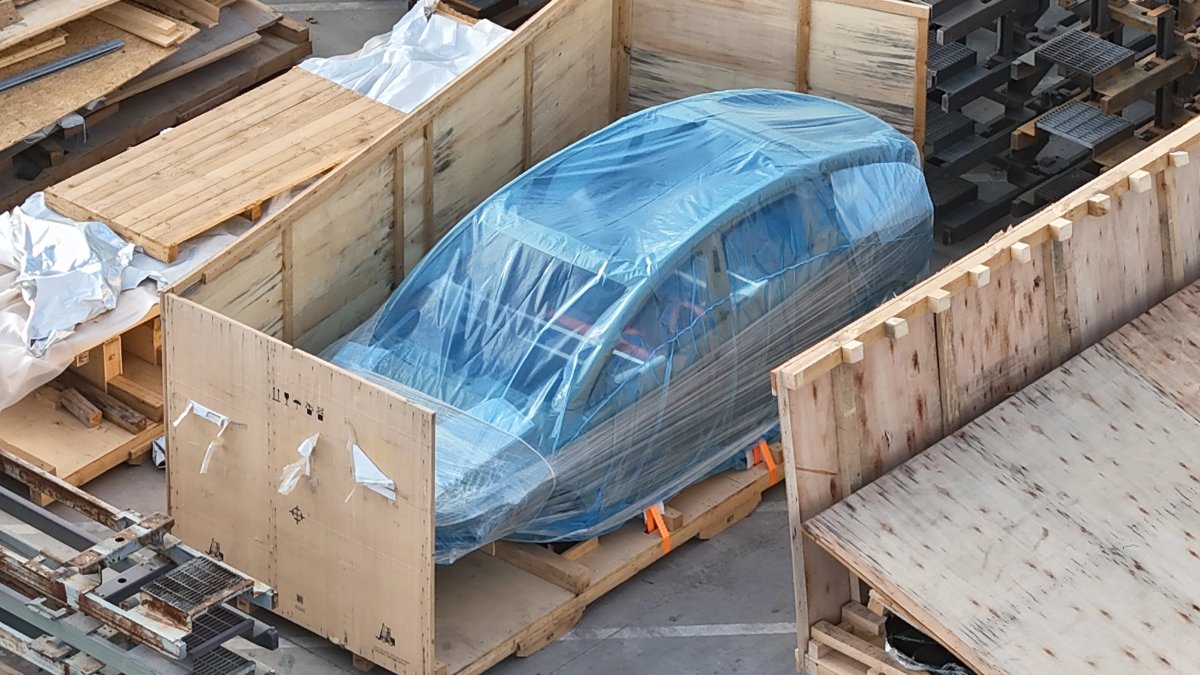
Tesla’s most anticipated family-hauler might be closer to a North American debut than we originally thought. A frame for what appears to be the long-wheelbase Model Y L was spotted this week at Gigafactory Texas, signaling that Tesla may be preparing its Austin facility for a new production line.
The sighting comes courtesy of drone pilot and Giga Texas observer Joe Tegtmeyer (@JoeTegtmeyer), who shared a photo of a larger vehicle body wrapped in plastic. “Well this is interesting at Giga Texas today … what do YOU think this is?” Tegtmeyer asked, sparking immediate speculation that the stretched SUV is finally making its way to the United States.
Stretched and Spotted in Austin
The Model Y L is Tesla’s first true attempt at a family-focused “lifestyle” SUV. While it looks similar to the standard Model Y, it features a 150mm (5.9-inch) longer wheelbase and is roughly 7 inches longer overall. This extra length allows for a 2-2-2 seating layout, providing much-needed legroom for the third row and easy access via second-row captain’s chairs.
While Elon Musk previously suggested the six-seat Model Y L wouldn’t arrive in the U.S. until late 2026, if ever, the timeline might be shifting. Tesla is discontinuing the Model S and Model X later this year, meaning the company will soon lack a high-capacity, three-row offering. Bringing the Model Y L to Giga Texas would provide a logical successor for families who need more space than the standard Model Y provides.
Global Rollout Hits Thailand
While North America waits for official word, the Model Y L’s global expansion is moving at a rapid pace. After launching as a China-exclusive last summer, the variant reached Australia and New Zealand earlier this month.
Now, Thailand has officially joined the list. Earlier today, Tesla Thailand confirmed the launch of the 6-seat Model Y L in the region. The Thai variant boasts an impressive 0–100 km/h time of just 5 seconds and an “Adaptive Suspension” for a quieter, smoother ride. With EU type approval and a sales approval in South Korea already in hand, it is likely only a matter of weeks before customers in other regions get their turn.
Tesla Model Y L Specs: More Than Just a Stretch
The Model Y L is more than just a longer car; it’s a premium overhaul of the cabin. Our initial deep dive on the variant highlights a larger 16-inch central touchscreen and a massive 2,539 liters of storage space with the seats folded.
Other highlights include:
Range of up to 681 km (WLTP)
Full 2-2-2 seating with adjustable headrests and second-row captain’s chairs
Upgraded 19-speaker audio system (up from 15 on the Long Range)
Continuously variable dampers for better comfort
For years, the biggest complaint about the standard Model Y was that the optional seven-seat layout was too cramped for adults. The “L” variant solves this with its stretched body and dedicated six-seat configuration. With a frame now physically sitting on the ground in Austin, the “late 2026” estimate is looking increasingly conservative.
As Tesla prepares to retire its legacy flagship models, the Model Y L is perfectly positioned to become the new king of the suburban driveway.
Subscribe to our newsletter to stay up to date on the latest Tesla news, upcoming features and software updates.
March 23, 2026
By Karan Singh
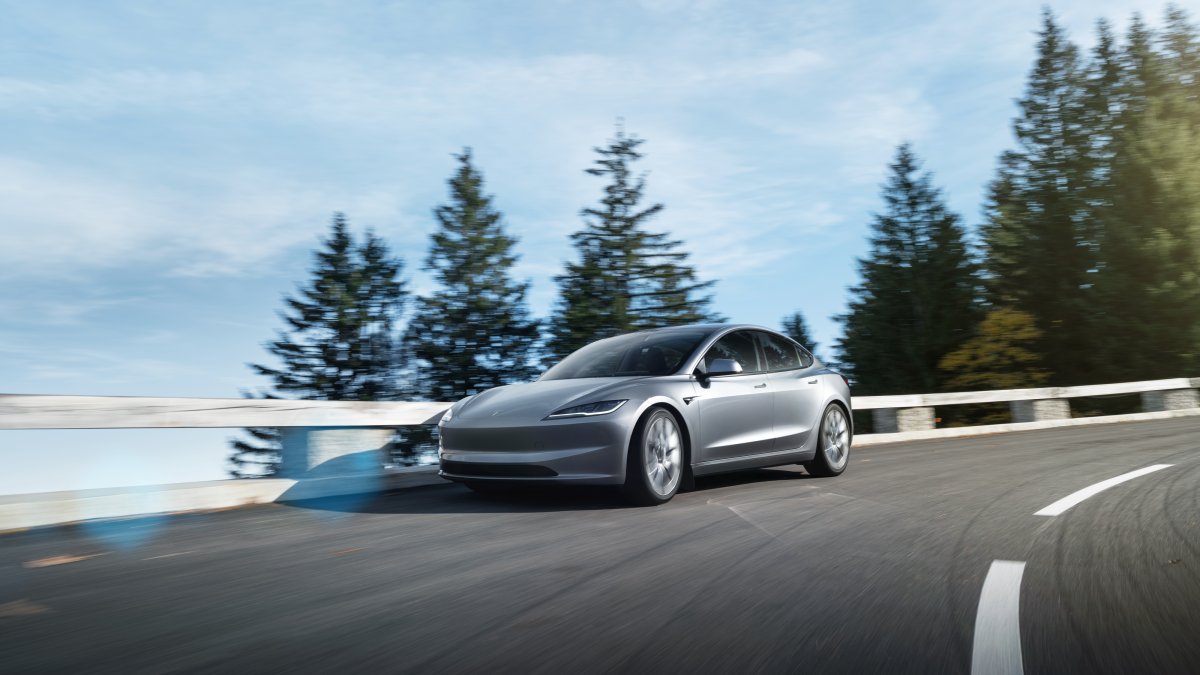
Tesla is aggressively pushing back against a high-profile wrongful death lawsuit in Colorado, petitioning a federal court to throw the case out entirely. Tesla’s defense is that the driver was highly intoxicated, and the vehicle’s data logs prove that Full Self-Driving and Autopilot weren’t even turned on when the crash occurred.
The motion to dismiss cuts to the heart of how Autopilot liability is determined in the courtroom and highlights Tesla’s increasing reliance on hard telemetry data to combat claims of defective software.
The Background of the Crash
The lawsuit stems from a fatal crash in May 2022 involving 33-year-old Hans Von Ohain, who was working at the time as a recruiter for Tesla. Von Ohain was driving his Model 3 on Upper Bear Creek Road in Colorado with a friend after a day of golfing.
According to reports, the vehicle veered off the pavement, struck a tree, and burst into flames. While his passenger managed to escape with severe injuries, Von Ohain tragically perished in the fire. An autopsy later revealed that Von Ohain’s blood alcohol content was three times the legal limit at the time of the crash.
Despite his severe intoxication, Von Ohain’s widow filed a lawsuit against Tesla in May 2024. The suit alleged that Autopilot was engaged and abruptly steered the car off the road. Furthermore, the lawsuit argued that Tesla’s marketing of its autonomous features gave Von Ohain a false sense of security that the vehicle could safely navigate him home despite his inebriated state.
Tesla’s Defense: The Data Speaks
This week, Tesla filed a motion to dismiss the lawsuit, resting its argument on two major pillars that fundamentally undercut the plaintiff’s claims.
First and foremost, Tesla presented newly surfaced vehicle data logs indicating that Autopilot was simply not active when the crash occurred. While the surviving passenger previously claimed the system was in use, Tesla argues that the hard telemetry data proves otherwise.
Since both FSD and AP were inactive, the core premise of the lawsuit that a defect in Tesla’s autonomy suite caused the fatality falls apart.
Second, Tesla points to Von Ohain’s blood alcohol level. By driving at three times the legal limit, Tesla argues that the driver’s severe impairment was the sole proximate cause of the loss of vehicle control, absolving Tesla of any liability for the tragic outcome.
Setting a Legal Precedent
This motion to dismiss is a crucial moment for Tesla’s ongoing legal battles surrounding its driver assistance software.
Plaintiffs frequently attempt to blame Autopilot for accidents, but Tesla’s vehicles log incredibly detailed data, including exactly when features are engaged, steering inputs, and braking pressure.
If the Colorado federal court grants the dismissal, it will strongly reinforce a legal precedent that Tesla has been building across the country: the vehicle’s internal data is reliable enough to definitively establish whether Autopilot was active, and severe driver impairment remains a legitimate, case-closing defense.
March 23, 2026
By Karan Singh
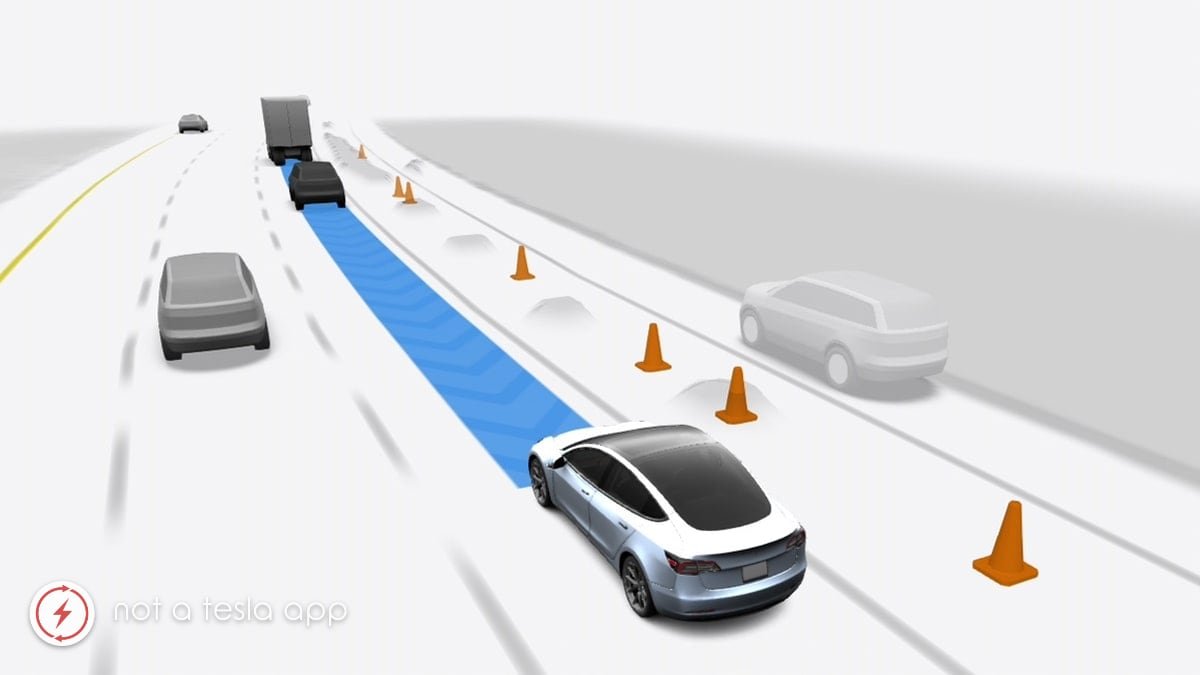
Tesla owners in Europe have been waiting years to get their hands on FSD, and the regulatory finish line is finally in sight.
Tesla’s European account announced that it has officially completed the final vehicle testing phase for FSD (Supervised) in conjunction with the Netherlands Vehicle Authority (RDW).
While the initial target for regulatory approval in the Netherlands was slated for March 20, the scope of the documentation has pushed the expected approval date to April 10. Assuming the RDW gives the green light next month, Tesla anticipates a wider, EU-wide approval rolling out by the summer.
18 Months of Testing
Securing approval for an advanced driver assistance system in Europe requires navigating some of the world’s strictest regulatory frameworks. Tesla submitted all necessary documentation for UN R-171 approval, along with Article 39 exemptions.
Tesla and the RDW engaged in an intense, 18-month testing program. Tesla laid out the statistics of the effort, which included:
1,600,000+ kilometers of FSD (Supervised) testing on EU roads
13,000+ customer sales ride-alongs
4,500+ track test scenario executions
Thousands of pages of written documentation to satisfy 400+ compliance requirements
Dozens of research studies analyzing safety performance and results
We’re extremely proud of the work conducted with the RDW team up until this point.
Tesla noted in its announcement. “We very much look forward to the approval in April, and sharing FSD (Supervised) with our patient EU customers!”
A Response from the RDW
Because homologation and regulatory approvals often contain highly sensitive trade secrets, government authorities rarely comment on pending applications. However, given the immense public scrutiny and anticipation surrounding Tesla’s FSD software, the RDW issued a rare public response confirming Tesla’s timeline.
“We know that Tesla’s application has the interest of many people,” the RDW stated. “Normally, we never make statements about requests from manufacturers because of the market-sensitive information.”
The Dutch authority confirmed that they are indeed in the final stages of the assessment process and are currently reviewing the mountain of data generated by the 18-month testing program.
While they acknowledged the April target date, the RDW made it clear that they will not rush the final decision.
“During this final phase, our inspectors will review all data and test results, and, after completion of this process, a decision will be made on the approval of the driver’s assistance system FSD Supervised,” the agency concluded. “For the RDW, safety is paramount.”
Note that RDW’s statement was issued in Dutch and translated for this article.
Expect AI4/HW4 Support Only
One of the things not mentioned by RDW or Tesla is the specifics of the approval. Tesla has been testing with AI4 vehicles, and its customer ride-alongs are also AI4 vehicles. That means Tesla has been testing and gathering data on builds of FSD v14, not FSD v12.
For owners of legacy HW3 vehicles, that also means that you most likely won’t receive FSD initially, as the approval will not be for a v12 build. Instead, you’ll likely have to wait for FSD v14-lite to launch sometime later this year.
The Gateway to Europe
The RDW’s pending decision is the linchpin for Tesla’s entire European strategy. The Netherlands historically serves as the primary homologation authority for Tesla in Europe. Once the RDW officially approves FSD for use on Dutch roads in April, other European countries can formally recognize this approval on a national level.
This cascading regulatory framework is what gives Tesla the confidence to project a full, EU-wide rollout of FSD by the summer.