
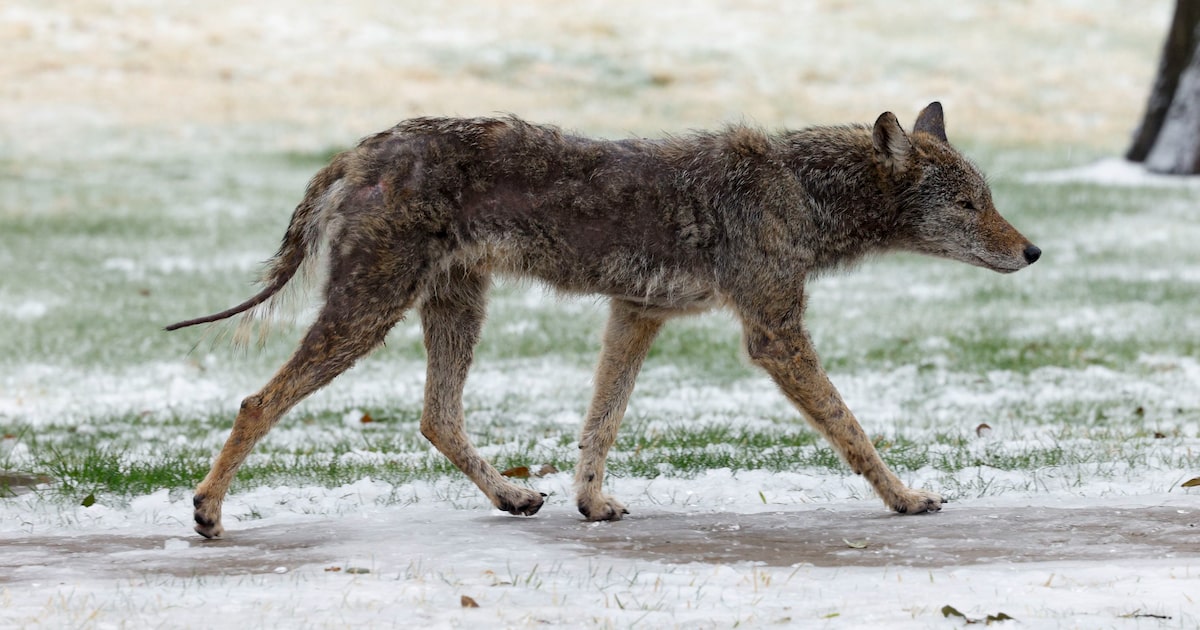
A coyote has been spotted more than once this month along Dallas’ Santa Fe Trail.
On a patch of the trail near the intersection of North Beacon Street and Abrams Road in Old East Dallas, an LED matrix sign alerted walkers, bikers and runners to the sightings, urging them to call the city hotline at 496-676-9813 should the wild canine return.
According to a city database, at least two sightings were recorded in the area on March 4 and March 12.
The Dallas coyote management plan stresses that urban coyotes are essential to managing local rodent populations, and they’re usually only drawn to residential areas if food, shelter or unattended pets are easily accessible.
Breaking News
The plan also states human safety is a priority in managing human-coyote interactions. Here are a few things to keep in mind about safety when encountering wildlife, according to previous reporting from The Dallas Morning News:
Pause and let the animal move out of your path. If the animal lingers, make noise. You can do this by clapping, yelling or carrying something with you that produces loud sounds, such as a bicycle horn, whistle or a container filled with rocks.Restrain your pets. Keep dogs on a leash when walking them, and don’t allow pets outdoors unattended. Pets the size of a rabbit or smaller are considered prey for both coyotes and bobcats.Since wildlife can potentially transmit diseases, make sure vaccinations are updated for both indoor and outdoor pets.Secure pet food and trash in closed containers when storing it outdoors. Food sources that might draw wildlife, such as fallen fruit, bird seed, trash and pet food, should be removed. You should also not feed wildlife because it encourages them to return.Never run from wildlife, as this can encourage chasing, and never corner them. The hotline website said simply raising your arms to appear larger and yelling while looking in their direction is a good way to ensure the animal stays afraid and keeps its distance.
Staff writers Elissa Jorgenson and Sury Chakraborty contributed to this report.