
In 2012, VFW State Commander Dave Walden’s wife drove home to find him wandering around the neighborhood, carrying his cane as if it were the rifle that he used while serving the country in Iraq. He was suffering from opioid-induced cognitive impairment from taking what he estimates was “about 30-something pills a day.”
Six years later, he dropped nearly all of the pills and turned to legal hemp, which he said has changed his life. Now, he fears that option may no longer be on the table for him.
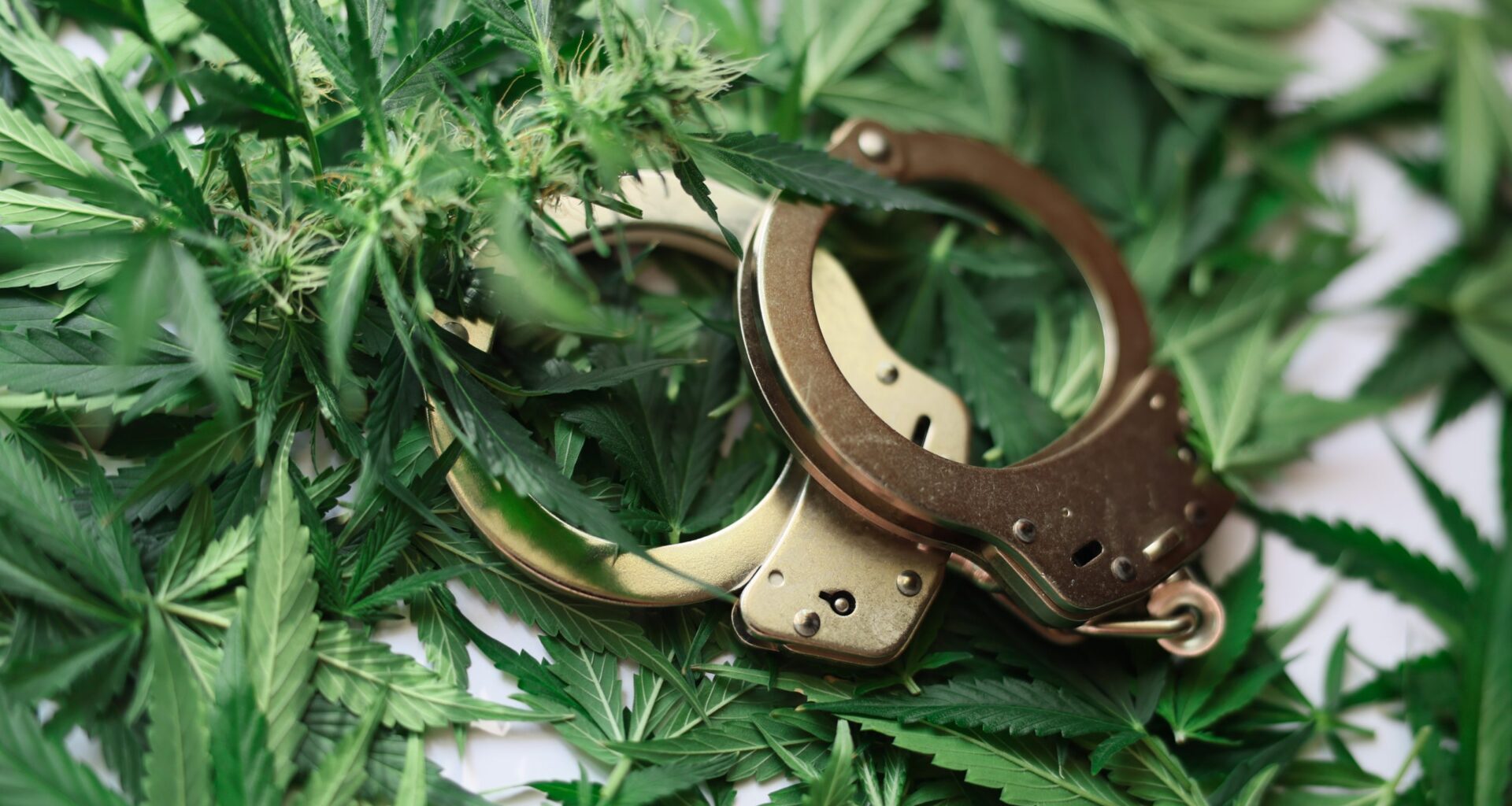
Although the Texas Legislature passed Senate Bill 3, which aimed to ban hemp products containing THC, Gov. Greg Abbott vetoed the bill, calling for tighter restrictions rather than an outright ban. After the governor’s rejection of SB 3, he issued an executive order directing state agencies to craft new rules for the industry, which were adopted earlier this month. They are set to take effect on March 31.
Among the new rules are enforcing a 21-and-older policy, new testing standards, and stricter packaging and labeling requirements aimed to keep products out of the hands of children. Of all of the upcoming changes, people connected to the hemp industry have told the Chronicle that two will have the largest impact on the market: heavily increased licensing fees and reestablishing how THC is measured.
Currently, hemp retailers pay $150 per location each year for a license, while manufacturers annually pay $250 per facility. Starting next month, these licensing fees will jump to $5,000 for retailers and $10,000 for manufacturers, which is less than the originally proposed change. Still, those in the line of work said that these significant increases are going to put some stores out of business, if they haven’t closed shop already in fear of what’s coming.
Redefining how legal THC is measured is the other large concern for business owners. Currently, businesses are allowed to sell hemp that contains less than 0.3% Delta-9 THC, granting retailers the ability to sell products that contain larger amounts of THCA, which, when combusted, converts to THC and has psychoactive effects – functionally cannabis, yet technically hemp. Under the new rules, THCA counts toward that 0.3% limit, ultimately eliminating the sale of intoxicating flower and concentrates, which make up a majority of sales for these small businesses.
Paying thousands more in fees may have been a possibility for some owners in the past, but, without profit from THCA sales, they said that making ends meet is going to be a much tougher battle. “The fees are definitely exorbitant and way too high, but without flower, we definitely wouldn’t be able to pay those fees,” Todd Harris, co-owner of Austin hemp retailer the Happy Cactus, told the Chronicle.
Lawmakers have leaned on public safety as the main motive for these changes, specifically wanting to keep products out of children’s hands. However, Zack Smith, owner of local hemp chain Happy Clouds, raised a great question: Why then are edibles – which are typically available in chocolate and gummy forms – still legal?
“What do kids eat? They eat candy. … If it was true that they were all after the kids’ health and safety, obviously they would be going after the thing that the kids eat regularly,” Smith told the Chronicle.
Mark Bordas, executive director of the Texas Hemp Business Council, agreed with Smith’s analysis. “These changes are economically driven,” he told the Chronicle. “They are not driven by health, safety, and welfare.”
In response to the upcoming changes, Bordas and the THBC are working to file a lawsuit, although he would not tell the Chronicle when it would be filed or any additional details. “We are going to turn over every rock and use every resource we can,” Bordas said. “We think we have a very strong case. We just need to determine when we’re going to play that card.”
Those involved are not only worried about the thousands of businesses that have been and will be impacted, but also the consumers who will have to turn to an alternative form of relief. Happy Cactus co-owner Harris said, “I am extremely worried, too, about all the consumers in Texas [who] have found these products that have changed their lives or been just a huge benefit for them to just continue surviving, and living, and thriving in this current state.”
It’s people like Walden who Harris is talking about. “I’m not taking this stuff to get high,” the veteran said. “I’m taking it to function.”
With hemp potentially out of the picture for Walden and others who consume for medicinal benefits, some may be asking why they don’t just enroll themselves in the state’s small medicinal cannabis carve-out, the Texas Compassionate Use Program. Walden said that, for many, finances stand in the way. He currently spends a little less than $100 a month on hemp edibles, which would increase to about $500 or $600 through TCUP, he said.
“They’re passing along this cost to the consumer,” he said. “So that’s why most veterans can’t afford TCUP, because of how expensive it is.”
Although Walden’s main method of consumption – edibles – won’t be drastically impacted by the changes, he worries about others who will no longer have access to flower or concentrates. “There’s some people who, taking a gummy, eating something, it’s just not gonna work,” he said.
As those within the industry eagerly await the THBC’s lawsuit and a potential injunction, Walden believes that there will be one winner that comes out of this fight: Lt. Gov. Dan Patrick. “I don’t think anything’s gonna matter because I think Dan Patrick is going to get his goons at the next legislative session and ban it all anyway,” he said.
And if that is the case, for Walden, his next steps are clear: Although “Texas has the best veteran benefits of any state in the country,” he said that he refuses to let opioids rule his life again. “I’ll move the hell out of Texas before I take opioids again.”
This article appears in March 27 • 2026.
A note to readers: Bold and uncensored, The Austin Chronicle has been Austin’s independent news source for over 40 years, expressing the community’s political and environmental concerns and supporting its active cultural scene. Now more than ever, we need your support to continue supplying Austin with independent, free press. If real news is important to you, please consider making a donation of $5, $10 or whatever you can afford, to help keep our journalism on stands.