
The unspoken rule of dining these days is that the camera eats first. Our feeds are full of glossy, architecturally plated dishes and fanciful presentations engineered for the scroll. Even in restaurants where phones aren’t welcome, chefs are chasing similar things: an aesthetic that belongs on the world’s most prestigious guides and lists, Michelin chief among them. It’s partly why particular cuisines—Japanese and French, especially—are given such reverence: precision that photographs well and whets the palate.
But avid diners know that some of the most flavorful dishes aren’t photogenic. Most of them are just saucy messes, loose piles of food, mishmashes of this and that, and bowls of boiled concoctions. Sometimes these dishes literally have faces staring back at you (fish heads, anyone?), and the ingredient lists can read like a dare.
In most cases, none of that has to do with how they taste, and that’s the beauty of it. Not all food is created to look like art, but to nourish, sustain, and make people feel loved on the inside. The exploration of the tension between the visual, the description, and the flavor is nothing new. It’s the exact premise behind David Chang’s Ugly Delicious, the Netflix series that travels the world in search of dishes that might not look like much but taste like everything and deliver a compelling story.
Houstonia has already extensively covered Houston’s most beautiful plates. Consider this the other list, our ode to some of the city’s most unsung dishes that might not make the Gram.
Heights
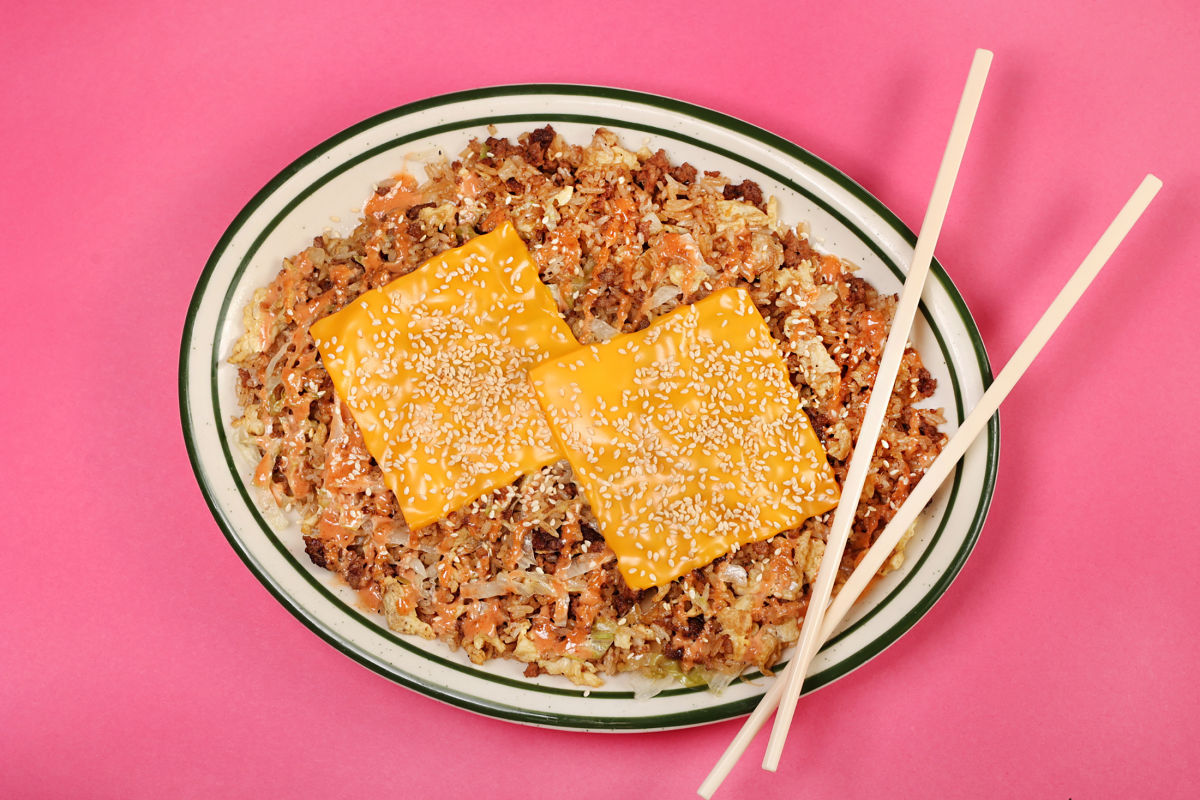
Since opening in 2025, this Asian American diner by chef Nick Wong and business partner Lisa Lee has become a Houston favorite. Agnes and Sherman successfully blends Wong’s Chinese and American heritage into a lineup of fusion dishes. The cheeseburger fried rice is far from picture-perfect. Ground beef, lettuce, scrambled eggs, and fried rice come together on a plate, drizzled with a special sauce, topped with two slices of American cheese that look like they were slapped on, and sprinkled with sesame seeds. The whole thing looks like a toddler raided a kitchen, but once you try a forkful, it clicks. Wong’s genius translates well into a dish that fuses the best and most familiar parts of a smashburger with comforting fried rice. —Sofia Gonzalez, food and travel editor
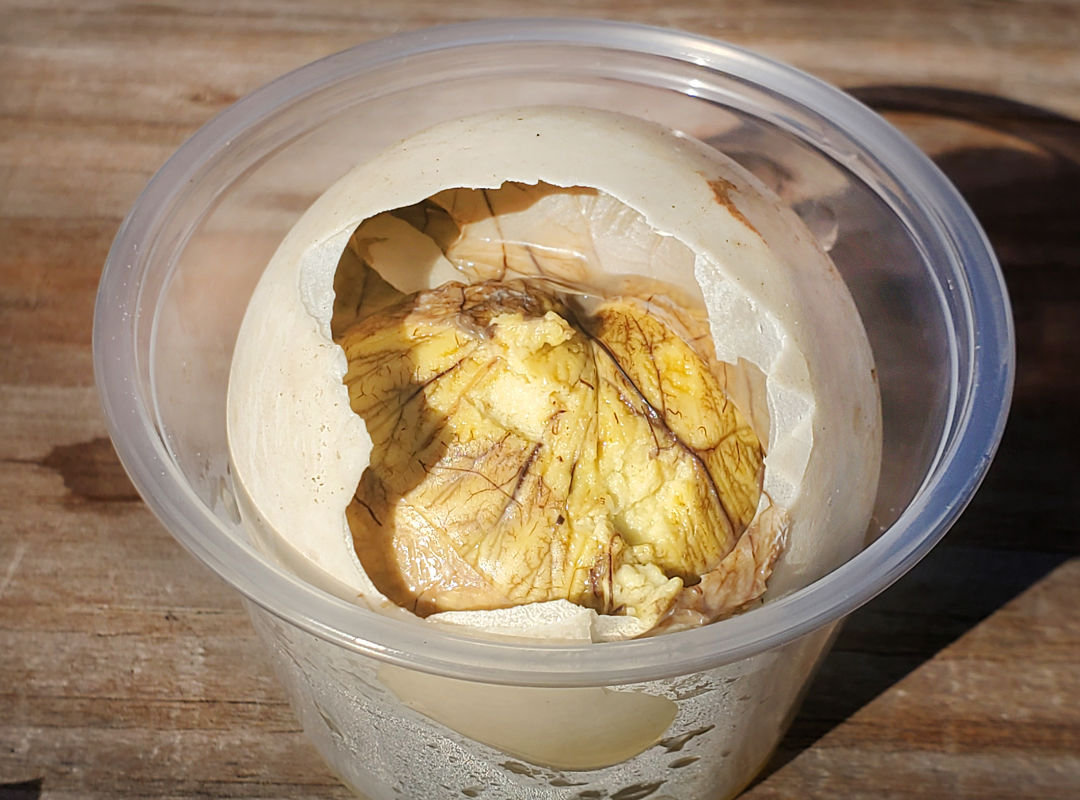
Balut might be an ugly duckling of dishes, but the flavor is a swan.
Balut at various locations
Let’s get this out of the way: Balut is subjected to food-related xenophobia on one end, exotification on the other. What are we doing here, guys? Millions of people, mainly in Southeast Asia (especially the Philippines), eat balut. It’s hardly a rare delicacy. It isn’t the horror show the snickering masses make it out to be, either. I mean, it’s just a duck egg with a few extra steps. Whoop-de-do!
Considering this, balut should be analyzed fairly on its own merits, decentering American perspectives. And objectively speaking? It’s still not going to take home any blue ribbons from the State Fair (or anywhere else) for its beauty. Balut’s flavor is another story entirely, though. It’s the quintessential ugly duckling that turns into a beautiful, rich, fatty swan, if you’ll permit me the obvious metaphor.
First off, the amniotic juices inside taste like a fine duck broth. You’re going to want to slurp that down before anything else; otherwise, things will get a little messy. After that, it’s time to chow down on the egg itself. I like sprinkling it with some chili powder and lime, personally. It complements the richness of the yolk and the mild crunch in the otherwise creamy texture. —Meredith Nudo, senior culture editor
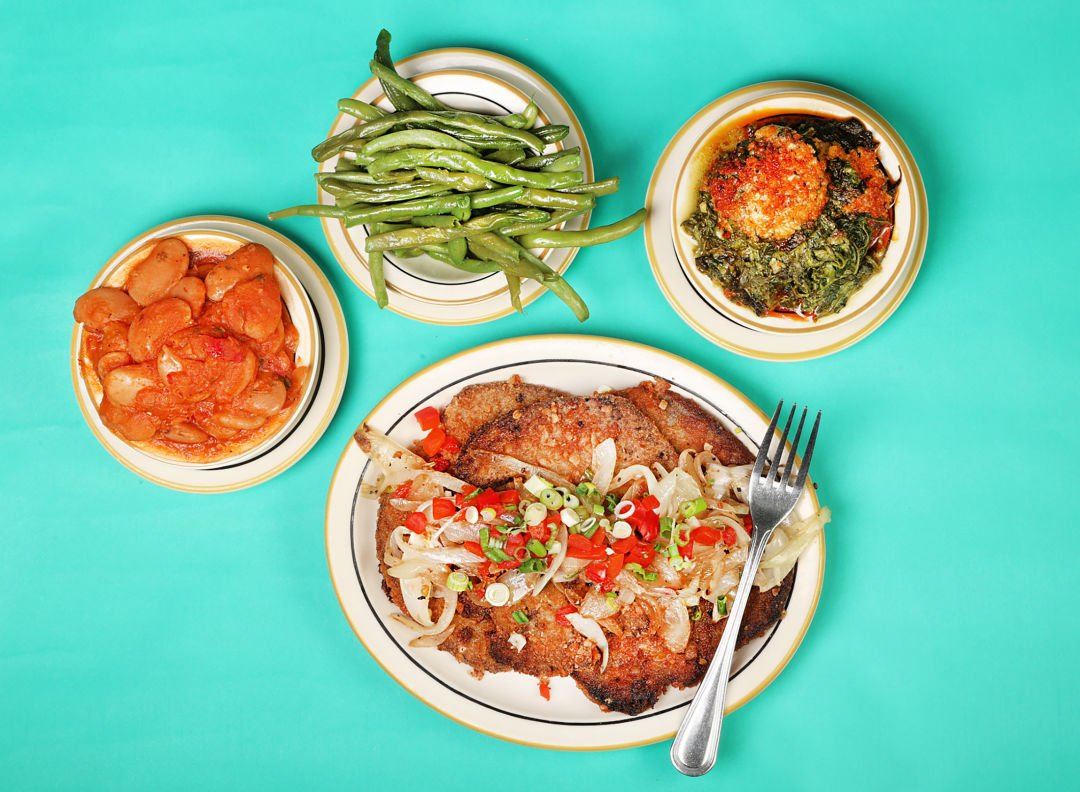
Cleburne Cafeteria’s liver and onions is a home-style favorite.
Upper kirby
Cooked liver has a face even a mother would struggle to love. But it’s also delicious, nutritious, and—even when smooshed beyond recognition—it makes for an appetizing dish like pâté or sliced liverwurst.
Liver and onions doesn’t have the same luxury. Even the best-of-the-best-tasting examples out there, like the daily dish at Cleburne Cafeteria, still sports a sickly gray color beneath its crispy, breaded shell. And that’s deeply unfortunate, since liver and onions is a tender hug of a dish (emphasis on “tender”) packed with iron, vitamin A, and vitamin B12. A smothering of onions adds the perfect acidic tang to the organ’s comforting meatiness.
If either of my grandmas made liver and onions, I imagine it’d taste like my fave at Cleburne’s. P.S. Save room for a slice of the heavenly chocolate icebox pie. —MN
chinatown
The name alone is enough to weed out even the most adventurous diners, because, who really wants to eat feet? Surprisingly, me. I do. Between the wrinkly skin and the pesky bones lies tender, sweet meat, complemented by a savory abalone sauce fused with black fermented beans. Dim Sum King considers it required eating: “Must be tried by all that call themselves a foodie,” as its menu states. —Brittany Britto Garley, editor in chief
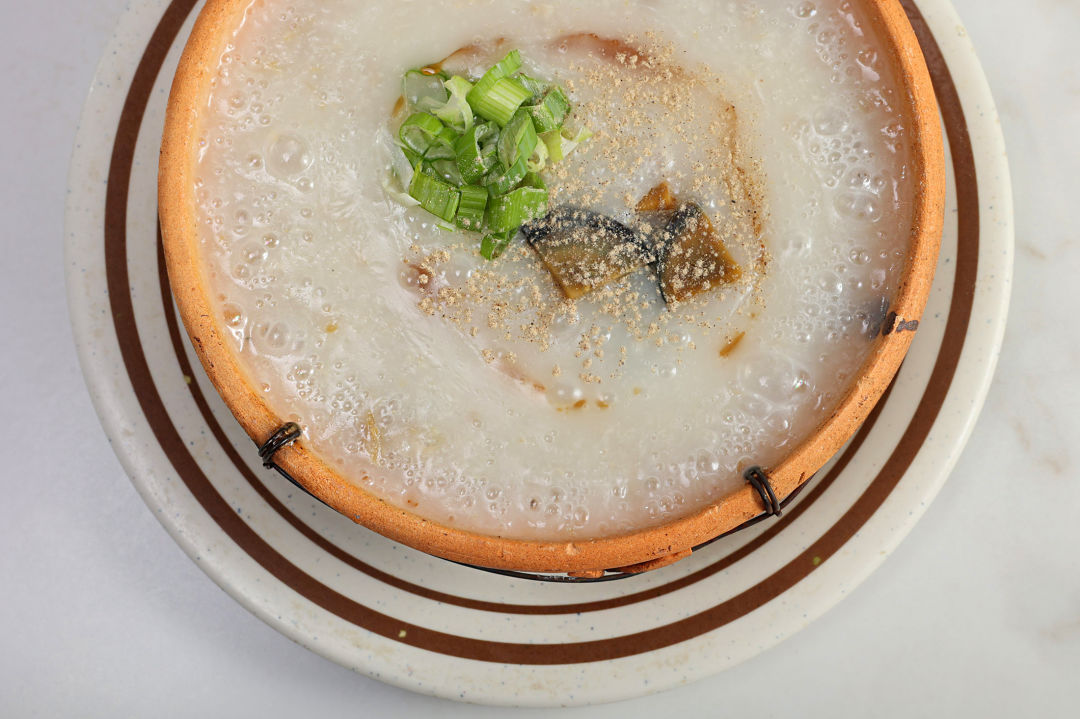
Don’t let looks deceive you. This congee is comfort in a bowl.
Pork and century egg congee at Hong Kong Food Street
katy
For Chinese communities, a humble bowl of pale, lumpy Cantonese congee, or rice porridge, is no flash and all substance. Fold in some pieces of brown pork and the gelatinous black and green-gray of pei dan (century egg), and you’re even further from a money shot.
Underneath the unassuming exterior lies a comforting tangle of flavors: spicy warmth from slivers of ginger and white pepper, meatiness from lean pork, and a funky creaminess from the century egg. Hong Kong Food Street’s congee is possibly the best in the city, built on a slowly simmered base stock that coaxes everything the ingredients have to give. —Erica Cheng, news and city life editor
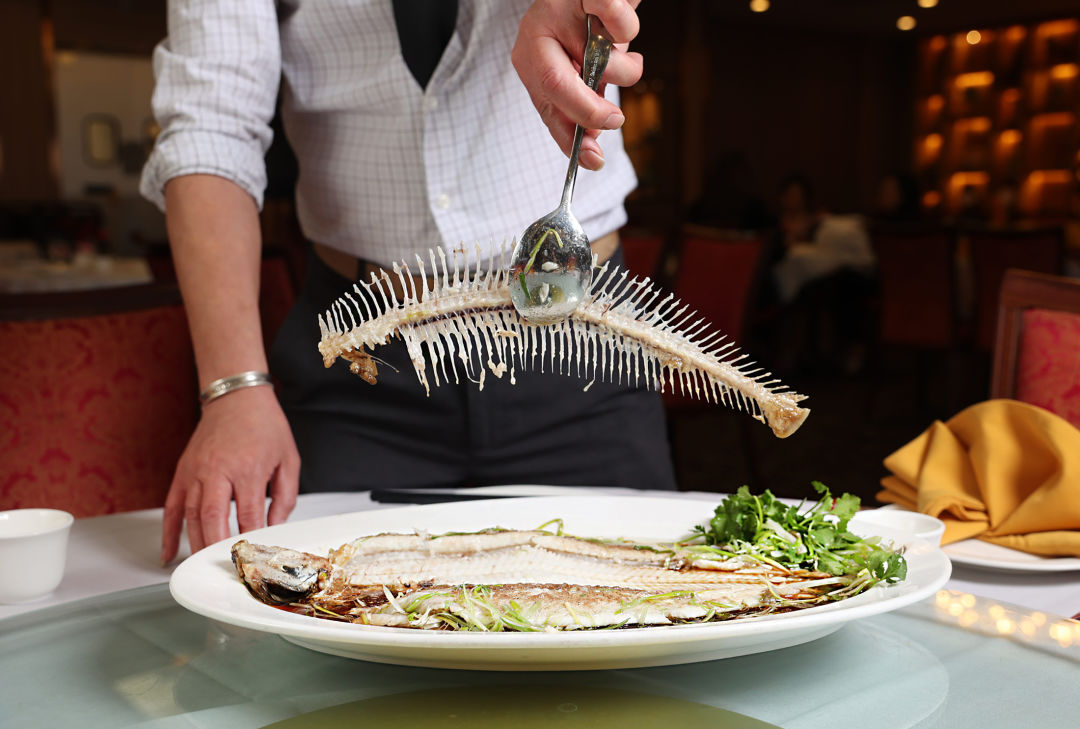
Steamed whole fish—head, tail, bones, and all—at Fung’s Kitchen.
sharpstown
Most people can be a bit squeamish about seeing a whole fish—head, tail, and all—on their dinner table. But steamed fish was a staple in my Cantonese household. As a seasoned whole-fish-eating expert, I encourage you to embrace the fact that we are seeing exactly where our food comes from. Topped with slices of ginger, scallions, soy sauce, and a splash of hot oil, the steamed fish at Fung’s Kitchen is a simple dish that highlights the fish’s freshness. To eat, drizzle soy sauce over the whole fish and enjoy tender, clean meat off the bone, with nothing wasted. Pro tip: Ask the waitstaff for help deconstructing the bones, and they’ll do it for you tableside! —EC
multiple locations
In Houston, pho reigns supreme, but noodle lovers should turn their attention to the Vietnamese soup’s drier, lesser-known cousin: Hủ tiếu dai khô. Chewy clear noodles are topped with a hodge-podge of minced pork, boiled liver slices, chicken, pork lardons, fried shallots, cilantro, and shrimp, served with a side of clear broth for a palate cleanser between bites. It seems chaotic at first, but, after digging in, you’ll appreciate its glorious disorder and wonder how you ever lived without it. —EC
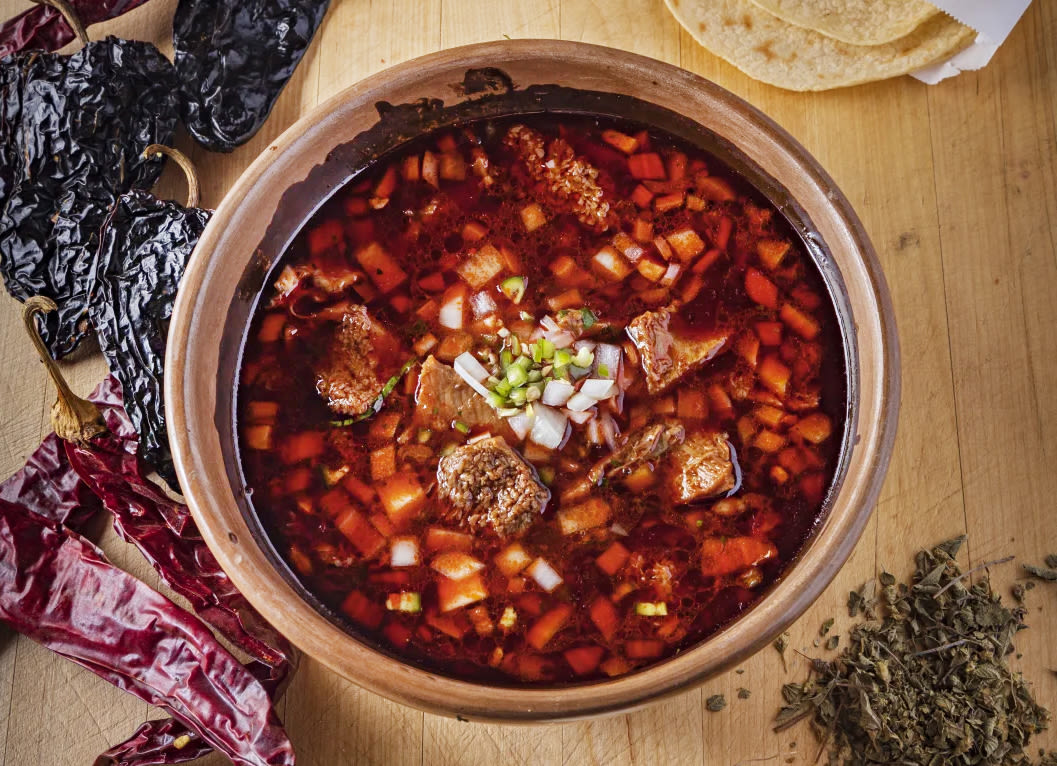
Menudo is a nutritious hangover remedy and Mexican soup that is filled with beef tripe, hominy, and sometimes, animal feet.
upper kirby
What was once known as “poor man’s soup” is now a special-occasion staple in many Hispanic families. In my family, it’s a tradition to eat menudo every Christmas and New Year’s Day, when its nutrient-dense broth also serves as the perfect hangover remedy. The soup, I’ll admit, is not always a looker.
Menudo typically consists of a boiled combination of beef tripe, hominy, lime, cilantro, oregano, and guajillo chile, sometimes with pig feet and bone marrow. Some say the beef tripe looks like honeycomb or as if it has fur on it. Many people are turned off by seeing animal feet floating in the mix, and it doesn’t help that when menudo cools, it goes gelatinous—enough to even make me think twice about eating it.
While my dad’s is my favorite, menudo from Picos is a close second. Chef-owner Arnaldo Richards and his family have refined a recipe featuring a dried chile broth, beef tripe, and beef feet, which is served daily. —SG
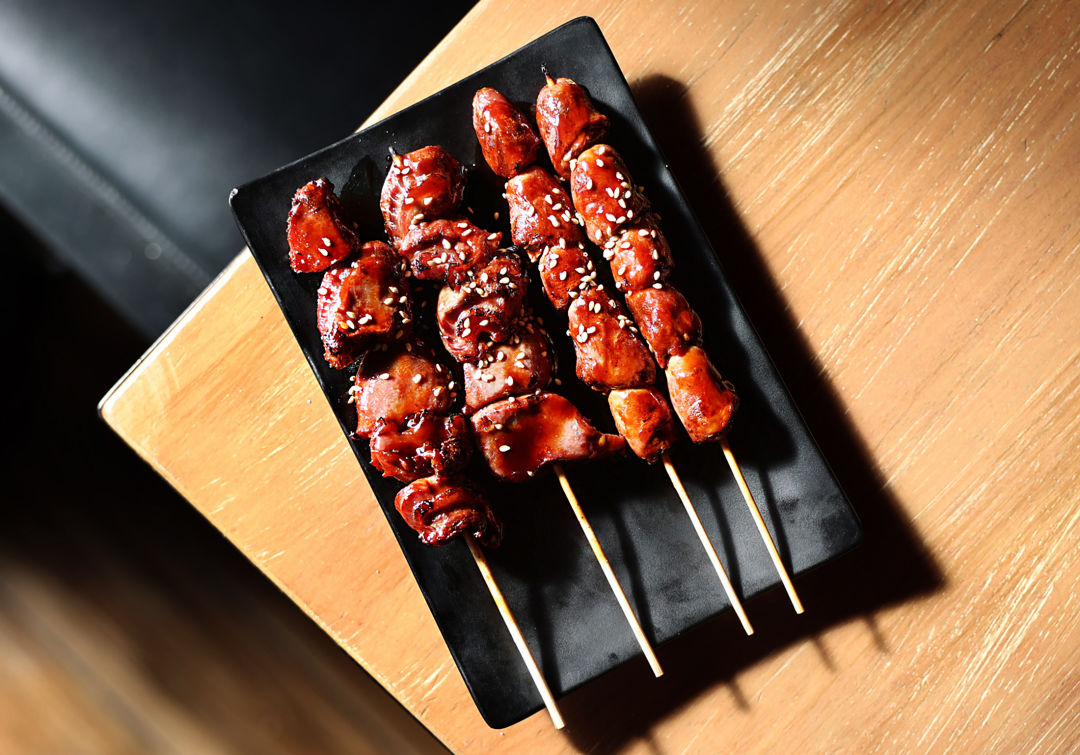
Eat your heart out.
Chicken heart and gizzard skewers at Tiger Den
Chinatown
Tiger Den is one of my favorite ramen spots in Houston, and whenever I’m there, I always have to order a few of its skewers with my meal. Despite my frequent evangelizing that all nonvegetarians should give them a fair chance, I do admit they aren’t always the prettiest. They suffer from the same condition as liver, where their color doesn’t always come out the most appetizing after cooking. But the whole point of “ugly delicious” is learning how to stop eating with the eyes and appreciating the flavors of unfairly stigmatized food. You miss out on so much deliciousness when you dismiss a dish purely for aesthetic reasons.
At Tiger Den, they’ve gussied up chicken hearts and gizzards with a lovely soy tare glaze and sprinklings of sesame seeds. It should be noted that chicken hearts have a sausage-like texture. Try the chicken skin skewers, too. They’re as crisp as potato chips, and a little healthier. —MN
seabrook
Once a throwaway cut, oxtail has become a modern-day delicacy born of resourcefulness, particularly within the Black diaspora—smoked, slow-cooked, or stewed; highly seasoned; and served with vegetables and/or a starch like rice or plantains.
If you know, you’re already drooling. If not, you’re looking at an oddly shaped bone surrounded by meat and caps of fat, which is precisely where much of the flavor lives. At today’s rising prices, it’s essential to suck the bones completely clean. Head to Seabrook’s Viola and Agnes, where chef Aaron Davis serves a superb version alongside other soulful dishes. —BBG