
Texas lawmakers are weighing whether the state could expand its borders to include parts of New Mexico, though any change would face a long and uncertain path.
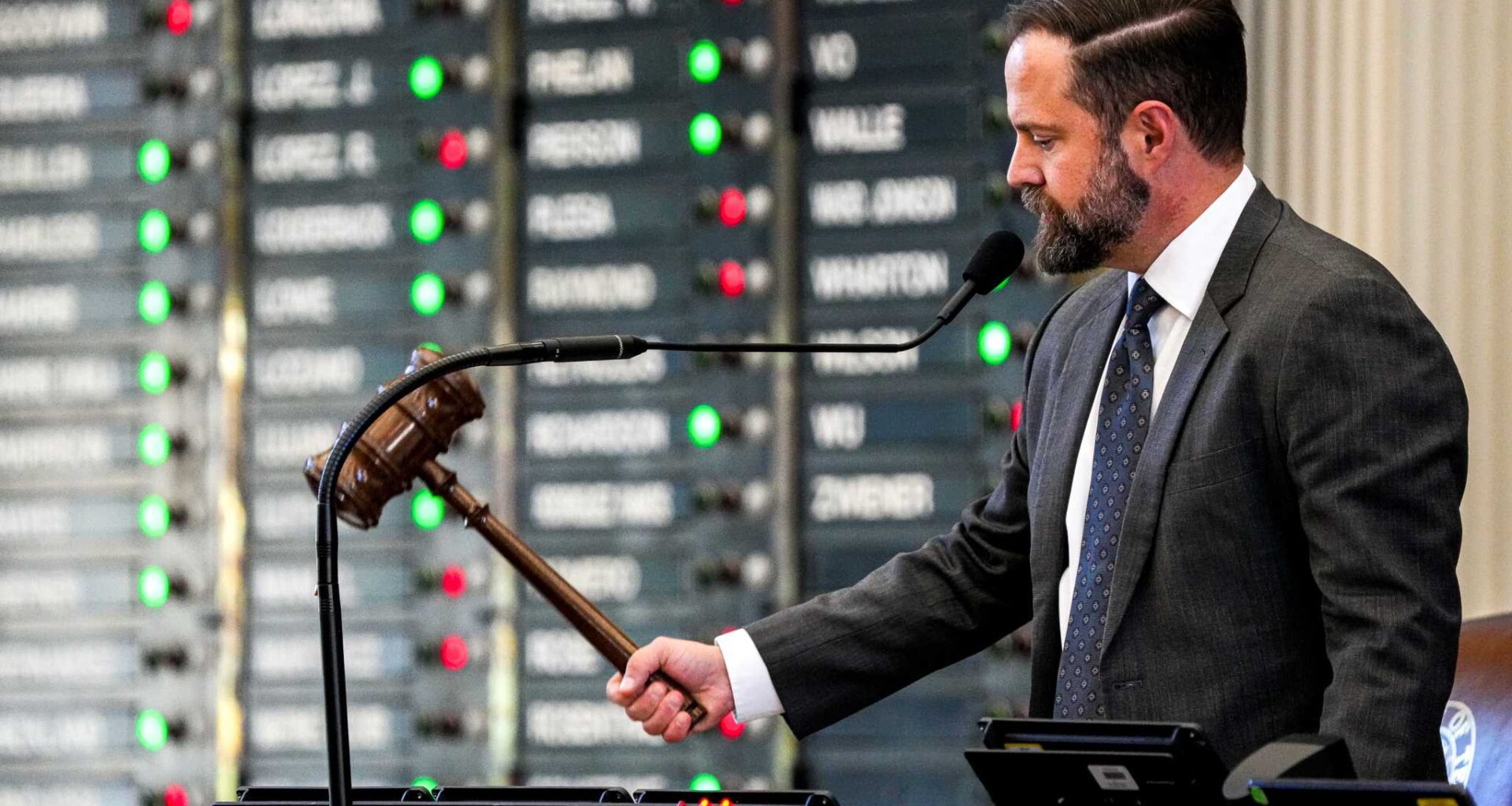
Texas House Speaker Dustin Burrows on Thursday issued interim charges that include studying the “implications” of adding one or more contiguous New Mexico counties to Texas.
The charge is tied to a revived New Mexico House joint resolution from Lea County lawmakers — Republican state Reps. Randall T. Pettigrew and Jimmy G. Mason — that would create a process for counties to vote on leaving New Mexico.
Efforts to separate from New Mexico are not new. They stem from longstanding tensions between southeastern New Mexico, including Lea County, and political leadership in Santa Fe.
Supporters argue cultural, economic and political differences have created a disconnect between rural counties and the state government. Critics say the idea is largely symbolic and politically driven.
Any boundary change would require approval from voters and additional action at the state and federal levels.
Burrows, a Republican from Lubbock, signaled support for the idea in February.
“Texas would gladly welcome Lea County back to Texas, where it rightfully belongs,” Burrows said in a mid-February X post.
His interim charge calls for a study of the “constitutional, statutory, fiscal and economic implications” of adding New Mexico territory to Texas. Lawmakers are also directed to review relevant provisions of the U.S., Texas and New Mexico constitutions, as well as federal and state laws and court precedent.
The study would outline the steps required at both the state and federal levels and recommend any legislation needed to begin the process.
The move does not trigger immediate action but signals potential support among Texas House leaders for exploring the idea.
“Southeast New Mexico deserves a real voice in its own future, not one dictated by Santa Fe. It’s a conservative, energy-rich region with a fierce independent streak, and West Texas has shown what’s possible when you respect oil and gas, protect property rights, and trust local communities,” Burrows told the American-Statesman. “This conversation is ultimately about culture, opportunity, and the right to choose a path that reflects the shared values of the Permian and Delaware basins. I look forward to this discussion in the new House select committee.”
In recent years, the movement in support of Texas seceding from the union, also known as the Texas National Movement, has come the closest to putting ‘Texit’—its shorthand moniker—up for a vote in the group’s nearly two decades of trying.
Overall backing of the movement remains relatively low. Still, there is a growing traction, with Republican candidates and officeholders from city council members to state representatives signaling their support for considering the idea.
Texas’ secessionist efforts are independent of New Mexico’s attempt to join the state.