
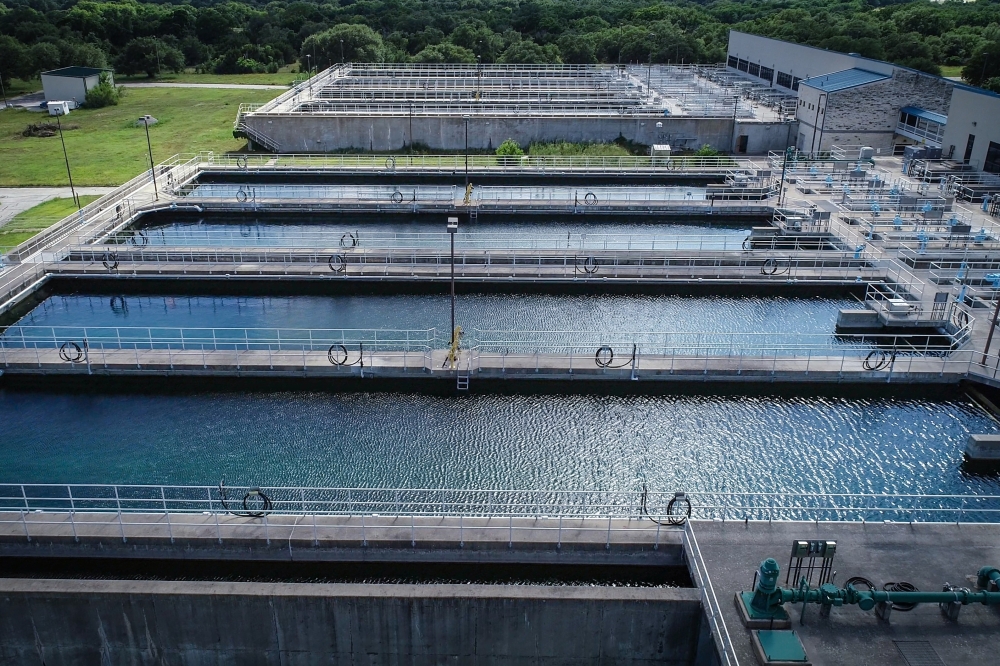
Round Rock City Council unanimously approved a new water treatment agreement with Georgetown, extending a partnership that allows Round Rock to process and deliver Georgetown’s water supply.
The big picture
The agreement allows Round Rock to continue treating Georgetown’s raw water using existing system capacity, formalizing a regional arrangement as both cities plan for continued growth.
“This agreement, we are renewing it … Georgetown asked if we would renew it for another five years, and we’re willing to do that,” said Michael Thane, executive director of public works.
The contract will remain in effect for five years, unless terminated earlier by either city.
The framework
Georgetown will supply raw water from Lake Georgetown through its existing water rights, while Round Rock will:
Treat the water at its plant near I-35 and Westinghouse RoadDeliver it back through an existing interconnect east of I-35“It’s important to note … we are using the city of Georgetown’s water … we’re just using our infrastructure to treat it because we have extra capacity,” Thane said.
Georgetown City Council approved the agreement at a March 10 meeting.
Round Rock’s water treatment plant has a capacity of about 52 million gallons per day, allowing it to process water beyond its own customer demand.
The renewed agreement continues a similar structure to the previous deal, which had expired.
By the numbers
Round Rock will bill Georgetown monthly based on water delivered:
Monthly base rate: $3,702Usage rate: $2.21 per 1,000 gallonsTerm: five yearsCity officials said the agreement has generated revenue for Round Rock’s utility system in recent years.
“Since 2018, $8.5 million … that is revenue that we brought into the water utility … that helps our citizens’ rates,” Thane said.
Officials added that the agreement carries minimal risk because the city can reduce or stop service if needed.
The local impact
The agreement prioritizes Round Rock’s system during high-demand periods.
If the treatment plant reaches 44 million gallons per day for three consecutive days, or if the city enters its drought contingency plan, Georgetown must reduce its usage to no more than 1.5 million gallons per day.
“When we do get in a situation … drought or emergency, we can cut that back … we can cut it all the way back if we need to,” Thane said.
For Georgetown, the deal provides ongoing access to treatment capacity without building new infrastructure.
For Round Rock, it offers a way to utilize available capacity while maintaining control over its system during peak conditions.
“>