
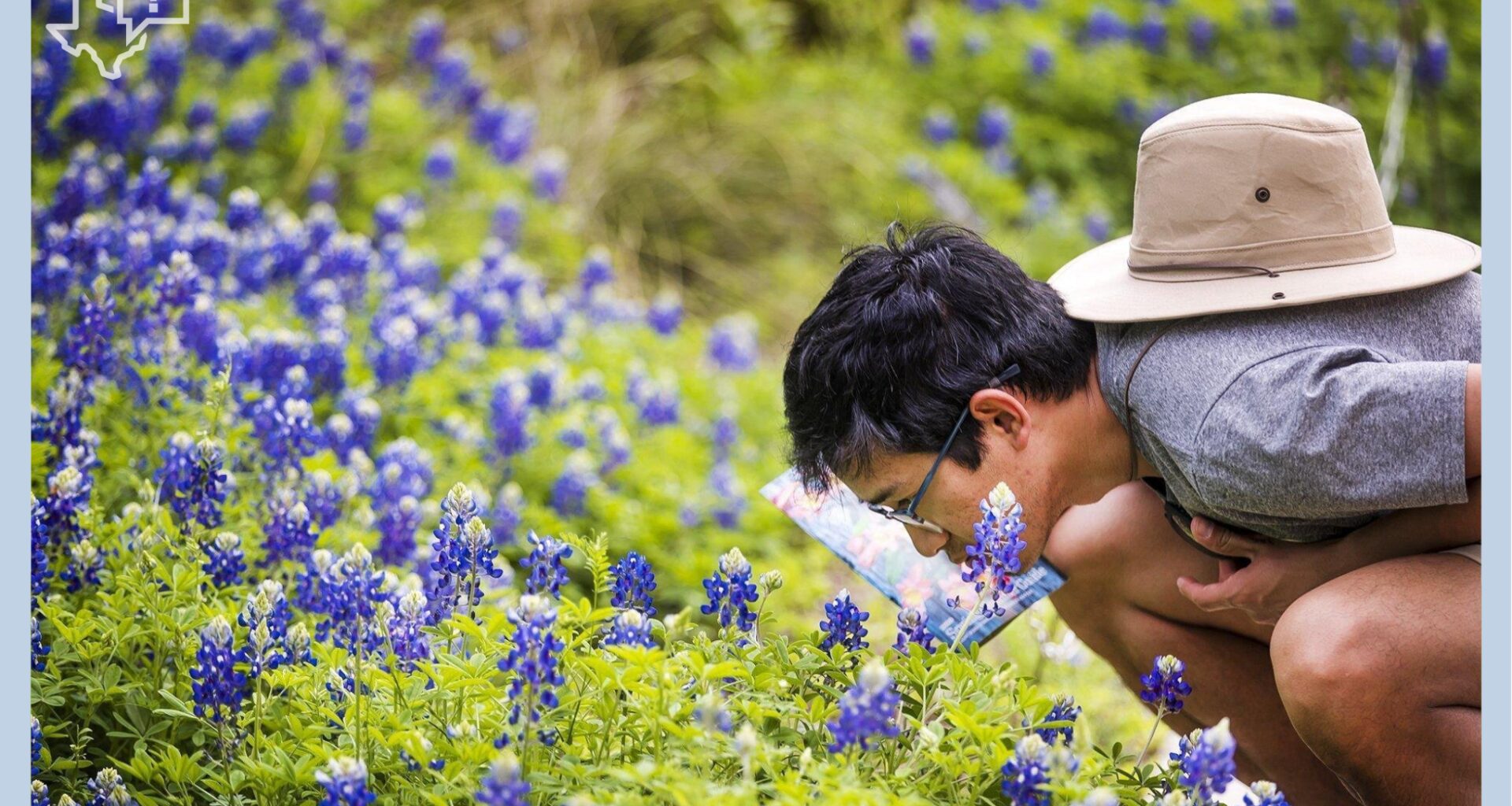
Driving down a Texas highway in the spring, whether you’re in the Hill Country, the Panhandle or on the Gulf Coast, feels like watching a million different paintings flash past you at 60 miles an hour (but usually a lot faster).
Just drive out of Houston in any direction and see for yourself. The concrete shoulders and medians give way to strips of grass packed with bluebonnets, bright-red prairie fire and pink buttercups, as if nature were greeting you with stubborn bursts of color even as you speed through in a car that is actively choking the environment.
While nature deserves its credit for the blooms themselves, our colorful roadsides are actually the result of decades of deliberate choices about how Texas manages its highways, so let’s get into it.
The state has been beautifying its roadsides since the 1930s, when the Texas Highway Department hired landscape architect Jac Gubbels.
As our state’s highway system expanded, Gubbels began collecting native seeds and spreading them along roadsides in what would become a long-running effort to fill our commutes with some color.
By the 1960s, that work got a push from native Texan and former First Lady Lady Bird Johnson, who took an interest in how highways looked as they proliferated across the country. Her most visible win was the Highway Beautification Act of 1965, which aimed to limit billboards and control roadside clutter.
In Texas, she also pushed state officials to think more intentionally about what lined the roads. And by 1982, she co-founded what is now the Lady Bird Johnson Wildflower Center in Austin to promote native plants and conservation across Texas.
Today, the Texas Department of Transportation plants roughly 30,000 pounds of wildflower seed each year across thousands of miles of highway.
The focus is on native species that can reseed and return on their own, which is why familiar blooms like bluebonnets (duh), prairie fire, buttercups, coreopsis, firewheels, winecups and black-eyed susans show up in many of the same places each spring.
And just as important as what gets planted is mowing.
The state holds off on trimming its overgrown flowers until after the peak bloom, giving flowers time to pollinate and drop seeds. That helps keep the cycle going, year after year.