
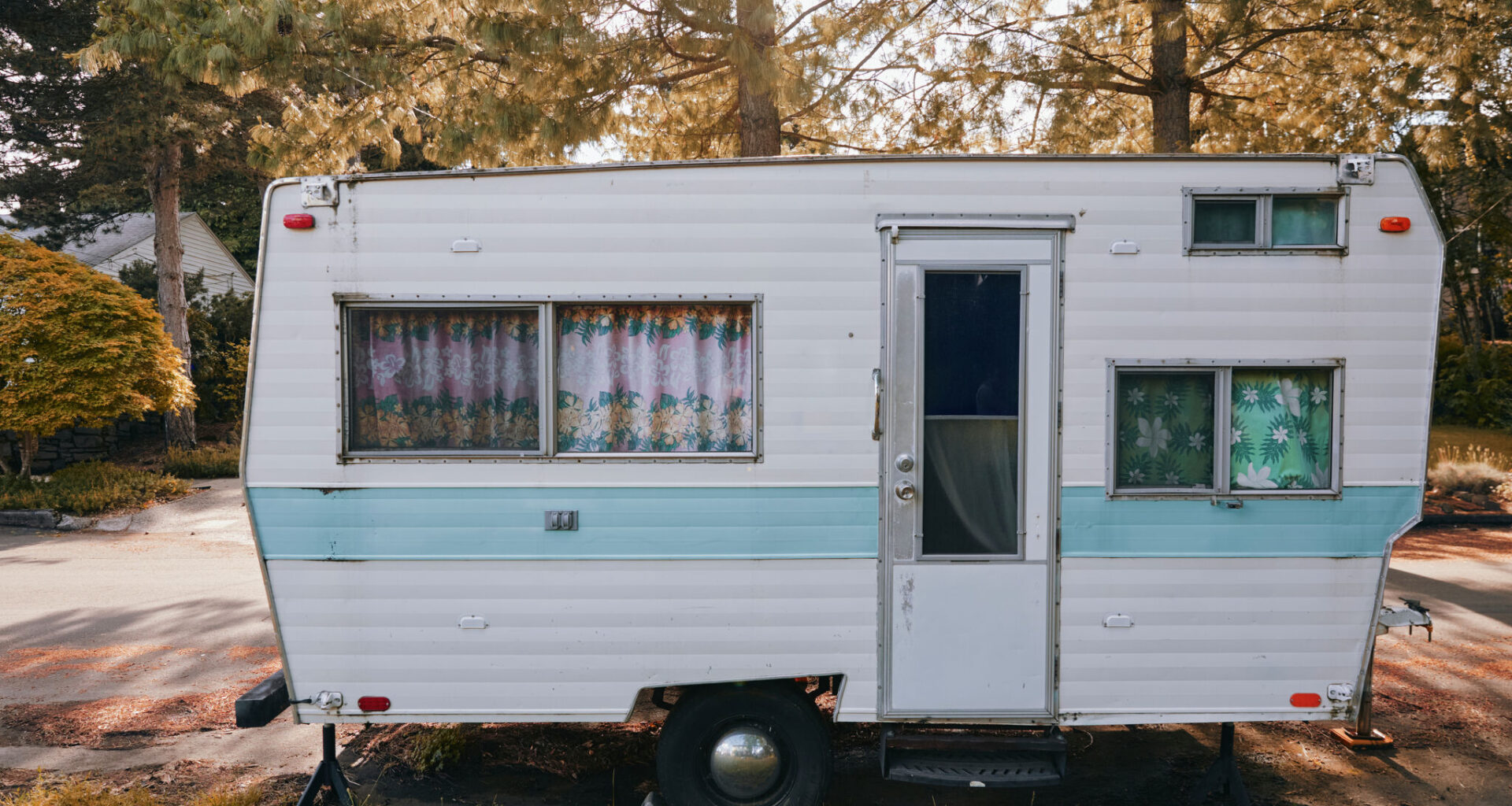
As housing costs rise, some Texans are considering recreational vehicle (RV) living as an alternative to buying or renting a home. However, living full-time in an RV on your own property comes with rules that vary depending on where you live.
RV living is becoming more of a trend as Texas and cities like Austin, Dallas, Houston and San Antonio saw home prices soar to record highs, fueled not just by low interest rates, but also migration, according to a January 2026 report from the real estate research center at Texas A&M University.
Even though home prices recently dropped a little from their pandemic highs, they are still much higher than they were in 2020, growing roughly 5% per year on average, according to the report. On average, the median price for a home in San Antonio can go up to $300,000, depending on the area of town.
With affordability remaining a pressing challenge, some residents are choosing to live in RVs. But, is it legal to live in an RV on your own property in Texas? Here’s what we know.
There is no statewide law for full-time RV living on private property, according to the Texas Department of Public Safety (DPS). Owners, however, must comply with local regulations and ordinances for the area they are living in, as it varies within each city/county.
If your RV (or RV plus trailer) weighs less than 26,000 pounds total, you can legally drive it on Texas roads with a regular Class C driver’s license — no special commercial license is needed. A non-commercial Class A or B license is required if the vehicle (or combined towed weight) exceeds 26,000 pounds, according to DPS.
The application for this Non-CDL license can be located on our DPS.Texas.gov website and is attached above.
San Antonio residents are not permitted to dwell in an RV on land that they own, according to the San Antonio Development Services Department. However, RVs are permitted for habitation in recreational vehicle parks in accordance with Section 35-379. However, some municipalities allow it temporarily—often for 6-12 months—if you have active construction permits and proper utility hookups, particularly in an unincorporated county area
Living in an RV may be different in unincorporated areas of Bexar County, where city zoning doesn’t apply. Contact the Bexar County Public Works Department for questions on land development.