
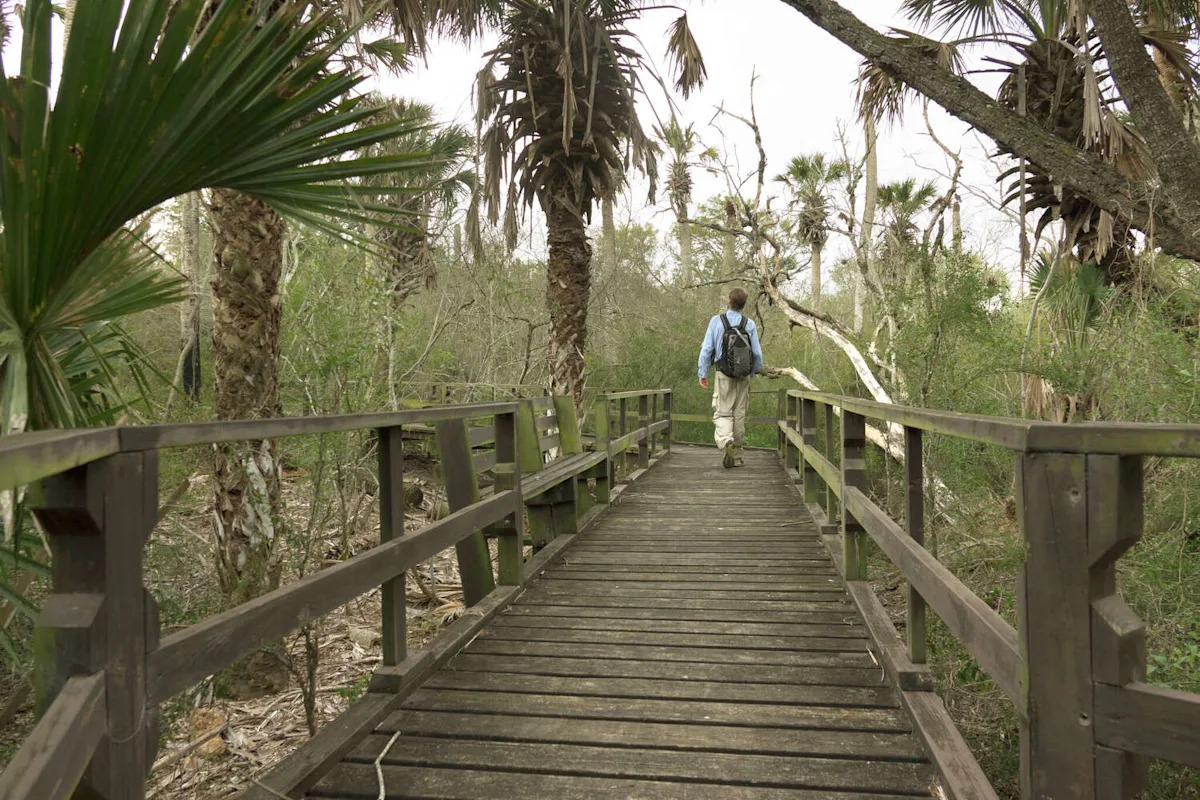
It’s an unenviable distinction. The unhealthiest city in America. But it’s a distinction that was recently bestowed upon Brownsville, the largest city in the Rio Grande Valley.
Out of 182 large cities across the United States, the city “on the border, by the sea” came in dead last in a new ranking of the Healthiest & Unhealthiest Cities in America by personal finance website WalletHub. And it wasn’t the only South Texas city orbiting the bottom. Of the 16 major Texas metropolitan statistical areas that made WalletHub’s list, only four cracked the top half on the “healthiest” side of the ranking. The remaining 12 were ranked firmly on the “unhealthiest” side of the coin, including Corpus Christi and Laredo, which joined Brownsville in the bottom 10.
“Where people live can have a big influence on how successful they are at staying in good health,” WalletHub analyst Chip Lupo said. “So, the best cities are the ones that provide the greatest access to high-quality healthcare, green spaces, recreation spaces, and healthy food.”
To create the ranking, WalletHub culled data from multiple sources in order to assign weighted scores across four major metrics, which the site refers to as “key dimensions” – Health Care, Food, Fitness and Green Space. The site then compared 150 of the most populated American cities, including at least two of the most populated cities in each of the 50 states in order to take into account states with smaller populations.
“The analysis considers everything from the cost of a medical visit to fruit and vegetable consumption and the percentage of adults who are physically active,” WalletHub officials said.
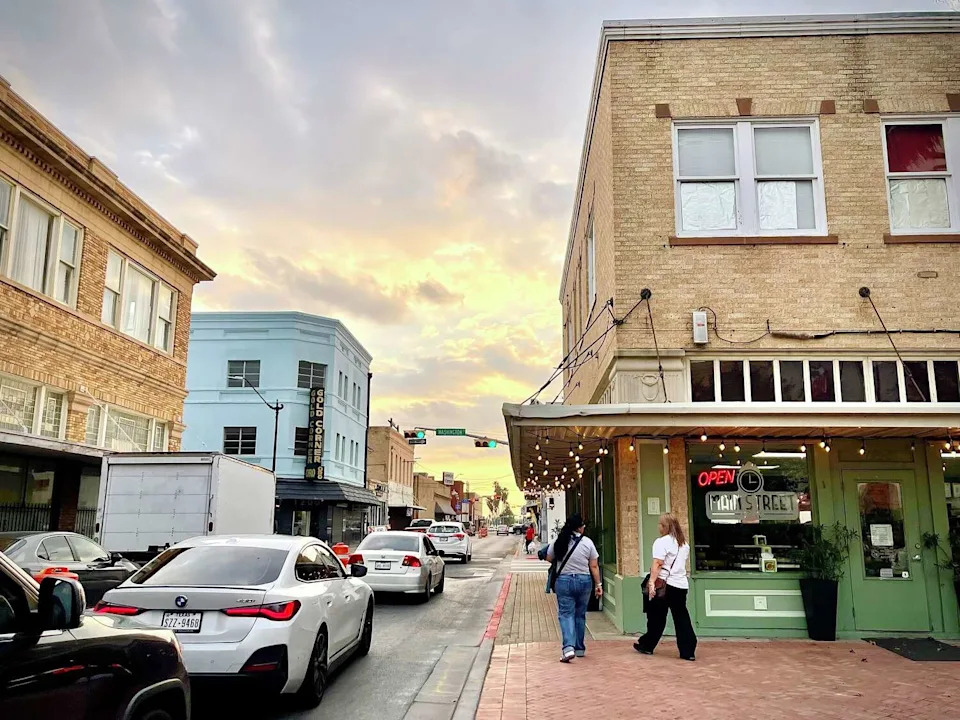
Traffic flows down East 12th Street toward the intersection of East 12th Street in downtown Brownsville on Friday, December 13, 2025. WalletHub ranked Brownsville, the Rio Grande Valley’s largest city, as the unhealthiest city in America for 2026. (Dina Arévalo)
Brownsville ranked the worst of any city in terms of fitness, and second-to-last in terms of health care and food. And at No. 172, the city of nearly 195,000 residents also has among the worst access to green spaces, which may have contributed to its ranking within the bottom five when it comes to the percentage of physically active adults.
But other cities in deep South Texas didn’t fare much better. For instance, Laredo ranked last for access to mental health counselors, with nine times fewer per capita than Worcester, Massachusetts; Missoula, Montana; Colorado Springs, Colorado; Richmond, Virginia and Manchester, New Hampshire, which all tied for first for counselor availability. The Webb County border city also ranked second-to-last when it came to the number of healthy restaurants per capita.
Meanwhile, of the four cities that made it to the top half of the overall ranking, Austin came in first in a five-way tie for the city with the best access to dieticians and nutritionists per capita. And Plano – an affluent suburb of Dallas – ranked third-best when it comes to its premature death rate.
Here’s how every Texas city ranked overall: Austin (9), Plano (63), Houston (70), Dallas (83), San Antonio (101), Fort Worth (116), Lubbock (130), Garland (133), El Paso (136), Arlington (145), Irving (147), Grand Prairie (154), Amarillo (162), Corpus Christi (175), Laredo (180) and Brownsville (182).
McAllen, the second-largest city in the Valley, which was named the second-fattest city in the nation, was not listed in WalletHub’s ranking of healthiest and unhealthiest cities.
This article originally published at This Texas city is, unfortunately, ranked the unhealthiest in America.