
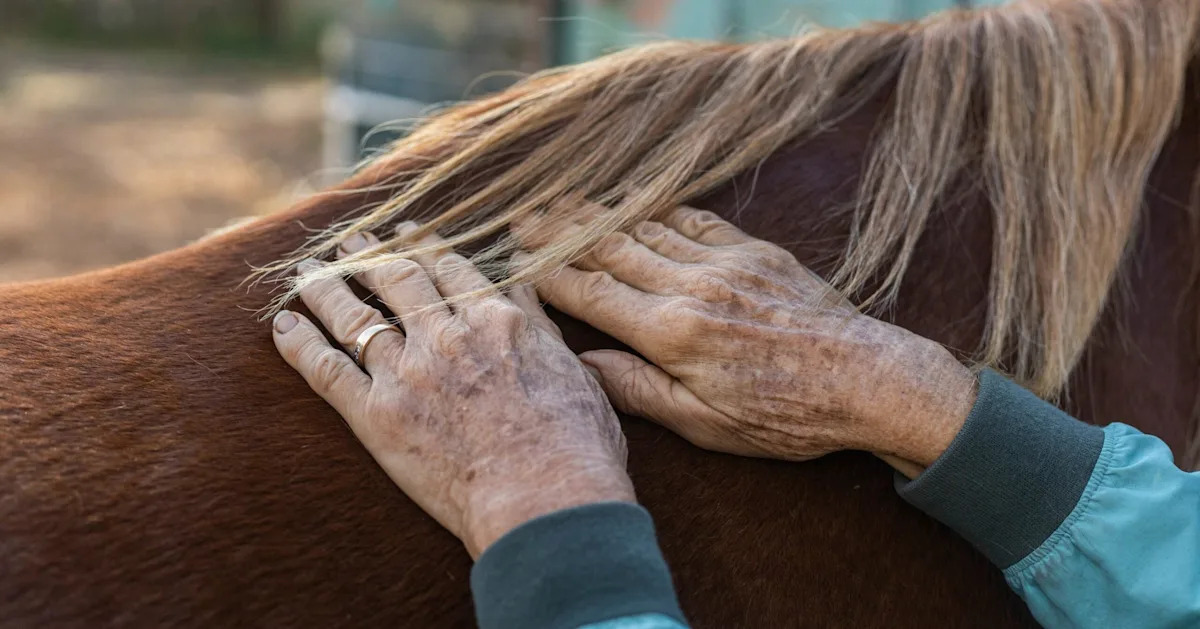
A growing controversy in Texas is putting equine care, small businesses, and veterinary oversight on a collision course.
On April 21, 2026, the Texas Board of Veterinary Medical Examiners will hold a public meeting to discuss potential rule changes that could significantly alter how horses receive care across the state. At the center of the issue: whether therapies like chiropractic work, PEMF, acupuncture, and massage should be restricted to licensed veterinarians or performed only under their supervision.
For many horse owners and industry professionals, the proposal raises concerns about access, cost, and the future of non-veterinary practitioners.
The debate comes at a time when the equine industry is already grappling with a shortage of veterinarians — particularly in rural areas. Many horse owners rely on a mix of veterinarians and specialized bodyworkers to maintain animal health and performance.
If adopted, the proposed changes could limit who is legally allowed to provide certain services, potentially sidelining experienced practitioners who currently fill critical gaps in care.
Texas State Rep. Pat Curry weighed in on the issue in a March 29 letter to the TBVME, warning that increased regulation could create unintended consequences for both horse owners and service providers.
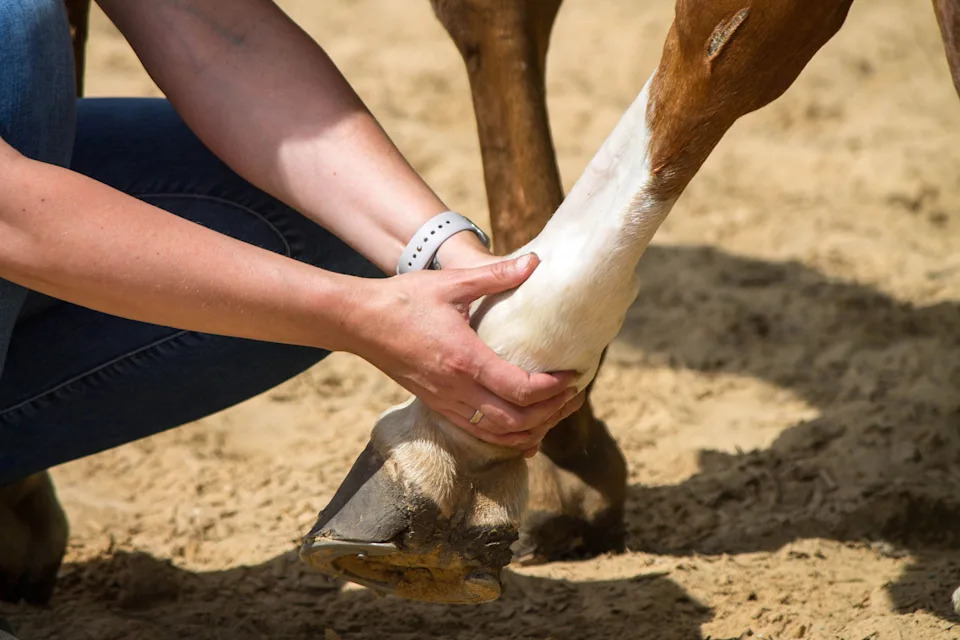
Image by Samoli, Shutterstock
“As a performance horse owner and rider I recognize animal safety is important,” Curry wrote. “However, requiring that common, non-invasive services like massage therapy, acupuncture, or PEMF be performed only by licensed veterinarians … creates a government imposed monopoly that restricts competition and drives up costs.”
Beyond access to care, stakeholders say the proposed rules could impact small businesses across the equine sector. Thousands of practitioners — from equine massage therapists to PEMF operators — operate independently and serve clients throughout Texas.
Supporters of these professionals argue that many have built their livelihoods around providing safe, effective services, particularly in regions where veterinary availability is limited.
Curry’s letter emphasized that these changes could “put them out of work overnight” while increasing costs for horse owners already facing rising expenses.
The issue has sparked strong reactions across the horse community, with discussions playing out on social media, in barns, and among veterinary professionals.
Some veterinarians argue that increased oversight is necessary to ensure animal welfare and maintain professional standards. Others, including voices within the veterinary field, question whether additional restrictions make sense given workforce shortages and existing demand for care.
At the same time, many horse owners say they value having access to a range of care options and worry about losing trusted providers.
The post Potential changes to Texas rule could reshape equine care appeared first on AGDAILY.