
During a four-decade career with Texas Tech, Marcy had a trajectory of achievement
and impact on campus and beyond.
CREATORS
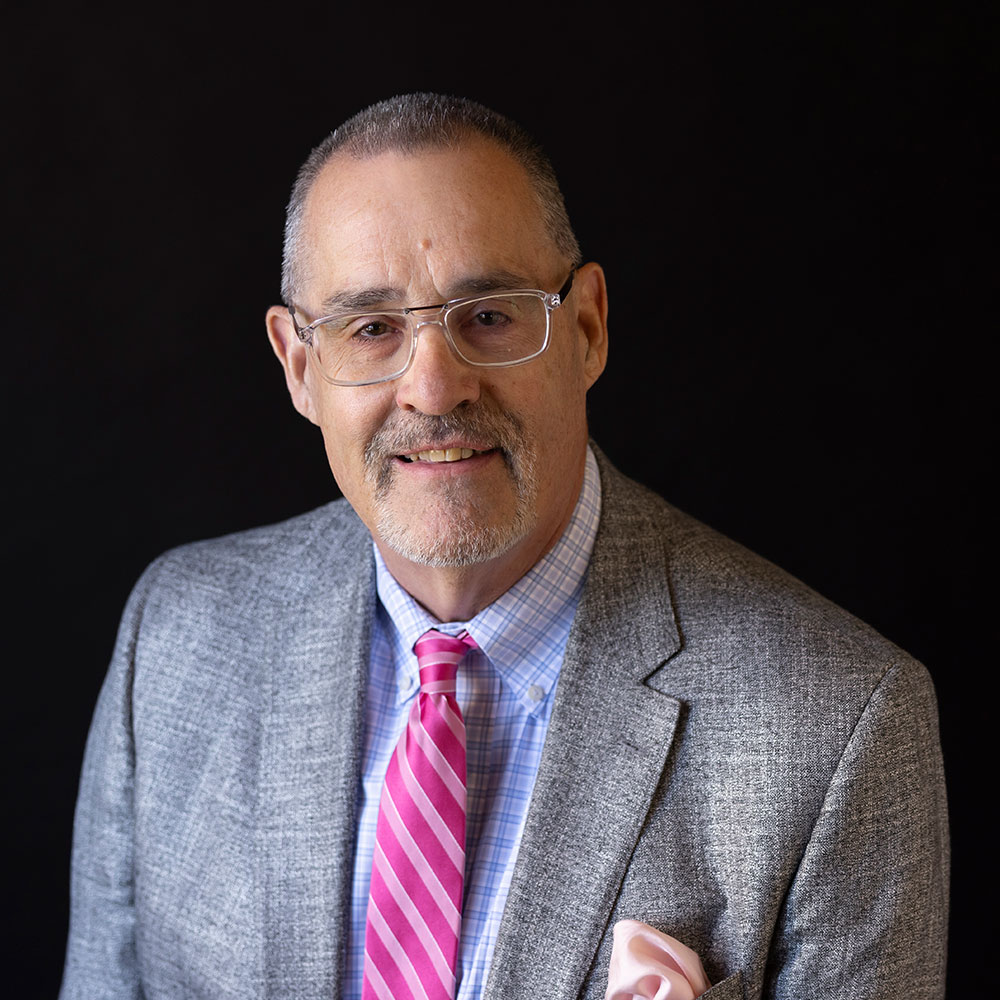
William M. Marcy, who received the first engineering interdisciplinary doctorate from
Texas Tech University in 1972 and also served as deputy director of the CIA, passed away March 19, leaving
an inspired legacy of accomplishment on campus and beyond during a lengthy professional
career.
Marcy devoted the bulk of his life to Texas Tech, earning three degrees from the Edward E. Whitacre Jr. College of Engineering before eventually serving as its dean from 1999-2002. Marcy also was the university’s
provost and senior vice president for academic affairs from 2002 until his retirement
as a full-time employee in 2008.
“Bill’s legacy at Texas Tech is defined by both his longevity and the meaningful contributions
he made along the way,” Texas Tech President Lawrence Schovanec said. “From strengthening the College of Engineering to his leadership as provost,
he helped shape the university during a period of important growth.”
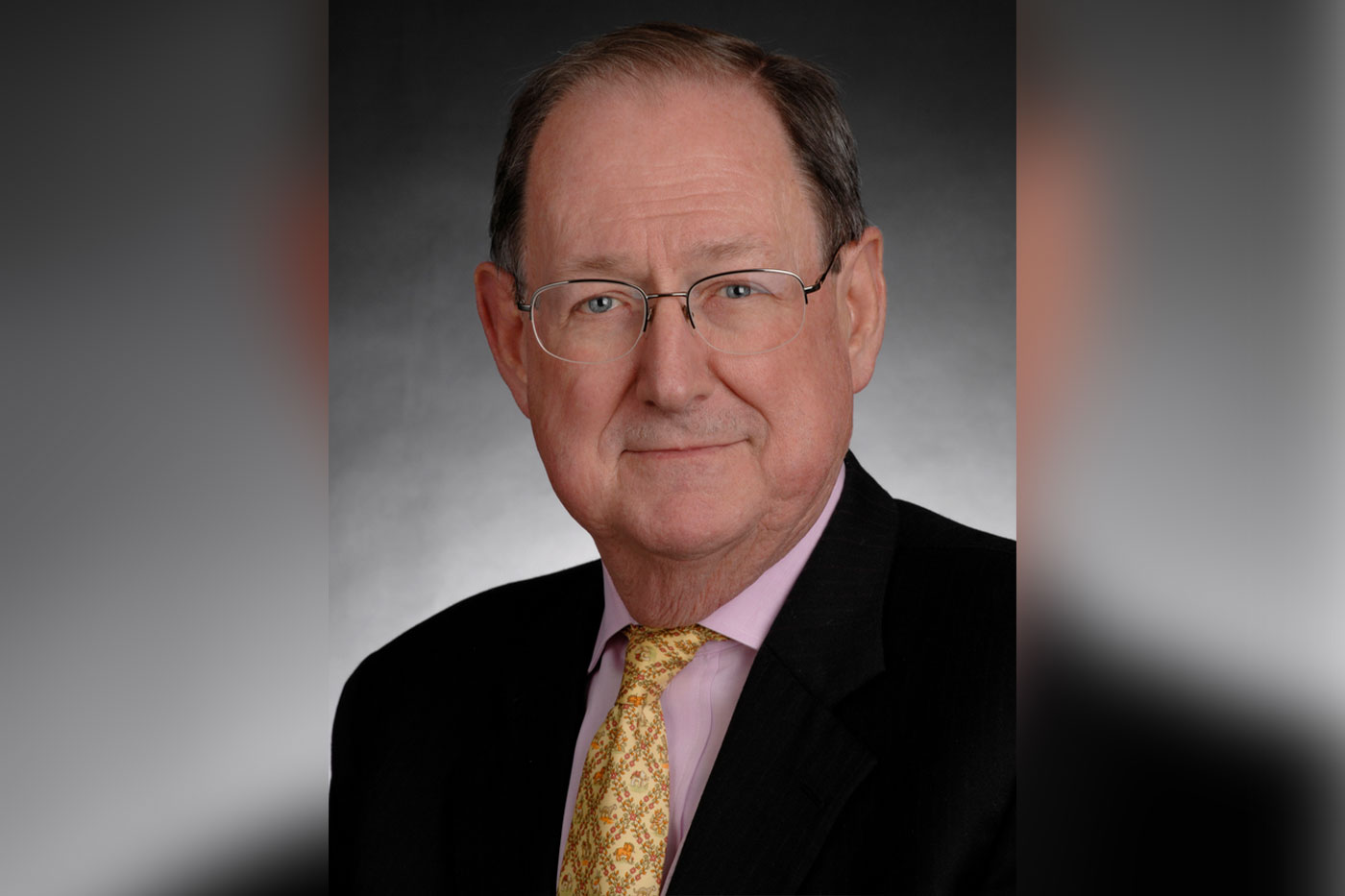 William Marcy
Overall, he had more than 45 years of experience as a management consultant, engineering
educator, software developer and licensed professional engineer. He was recognized
by the Texas Tech Alumni Association with a distinguished service award in 2007 and was elected to the hall of fame in the College of Media & Communication in 2016.
After his retirement, Marcy worked in a part-time role for Texas Tech, serving as
a faculty member in the engineering college and teaching courses in industrial engineering, computer science and engineering ethics. In 2012, he was named executive director of the Murdough Center for Engineering Professionalism until fully retiring in 2023, completing more than 40 years of service with Texas
Tech.
“Dr. Marcy’s impact can be felt throughout the Edward E. Whitacre Jr. College of Engineering,”
Dean Roland Faller said. “He was someone who dedicated much of his life to the success of our college
and as a result made a significant difference as a faculty member and administrator.
We are grateful for his many contributions and express our sincere condolences to
his family and friends.”
Marcy was named a distinguished engineer by the college in 2003, and he was inducted into Texas Tech’s Academy of Industrial Engineers. Marcy was one of the first professional engineers in the country to add the discipline
of software engineering to his license. Marcy taught engineering ethics online for
both graduate and undergraduate students with thousands of engineering students and
engineers completing his courses.
His research interests included organized problem solving, information systems, real-time
systems, robotics, artificial intelligence, high-reliability software and computer
security. Marcy published more than 50 refereed journal articles and conducted more
than $5 million in research during his academic career.
Marcy earned a bachelor’s degree in electrical engineering from Texas Tech in 1964
and earned his master’s in the same discipline two years later. His interdisciplinary
doctorate focused on electrical engineering, systems engineering and computer science.
He worked for the CIA from 1966-75, eventually being named chief of the Engineering
and Planning Branch in the Office of Security. He later served as deputy director
of the CIA’s Interagency Training Center, providing technical security training for
all U.S. government agencies.
Marcy returned to Texas Tech in 1975 as an associate professor of industrial engineering
for the next five years before joining Armco National Supply Company in Houston.
In 1983, he once again came back to Texas Tech, this time for good, as an associate
dean and associate professor in the engineering college before being promoted to full
professor in 1986. The next year, Marcy was tabbed to lead the computer science program
as it became an independent department within the college. Marcy was named senior
associate dean of engineering in 1995.
He was equally successful in the private sector, serving as an outside director of
FSI International Corporation in Chaska, Minnesota, from 1984-97. FSI manufactured
semiconductor-processing equipment. In 2002, he became an outside director and later
chairman of the board of Concorde Wealth Management Corporation in Dallas.