
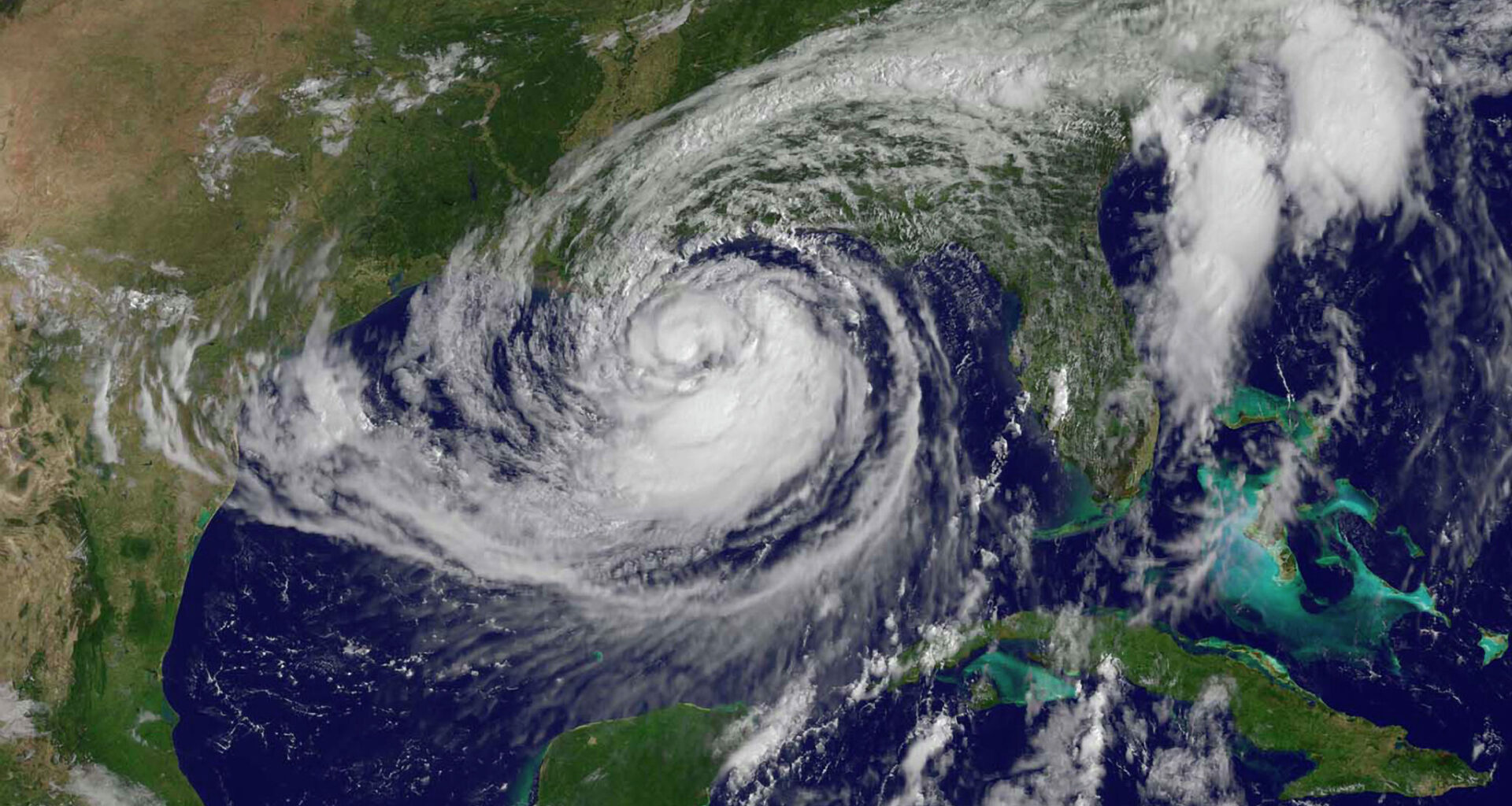
The last time a hurricane flooded the two international reservoirs that supply the Rio Grande Valley, Del Rio, Laredo and northern Mexico with fresh water was 2010. In late June and early July of that year, Hurricane Alex dumped as much as 50 inches of rain across the Mexican border state of Coahuila after making landfall as a Category 2 storm 110 miles south of Brownsville.
The deluge was so great that the Amistad and Falcon international reservoirs, which straddle the Rio Grande in Starr and Val Verde counties, were at risk of being overtopped and causing torrential flooding downstream. Officials scrambled to open the floodgates, releasing torrents of water into manmade spillways and natural arroyos that typically exist as dusty, arid chaparral.
Two different water systems with a similar water scarcity problem that have become reliant on — and in many ways, were built to account for — regular inundation by tropical weather systems to replenish their reserves. It’s been more than a decade since either community has seen beneficial summer rains and there may not be much hope this year, either, according to a new forecast for the 2026 Atlantic hurricane season unveiled by AccuWeather.
The American media company is predicting a below-average storm season thanks to the probable development of an El Niño weather pattern. El Niños typically create strong wind shear in the Atlantic Ocean and Gulf of Mexico that “can rip a developing hurricane apart, or even prevent it from forming,” according to an explainer by the National Oceanic and Atmospheric Administration.
In its forecast of the 2026 Atlantic hurricane season, which was published on Wednesday, March 25, AccuWeather predicts there will be 11 to 16 named storms, including 4-7 hurricanes and 2-4 “major” hurricanes that reach Category 3 strength or higher. Hurricane season begins June 1 and ends on November 30. Moreover, AccuWeather predicts that the Texas coastline will be at lower risk of seeing a storm than elsewhere along the Gulf Coast.
“The risk of significant tropical impacts is lower along the Texas coast, but that does not mean the state is in the clear. In 2023, one of the only storms to make landfall in the U.S. was Tropical Storm Harold, which impacted southern Texas,” AccuWeather’s report reads.
Despite its prediction of a slower-than-average hurricane season overall, AccuWeather’s forecast also warns that “very warm Atlantic water” — both at the surface and into the depths of the water column — could cause the few tropical cyclones that do develop to “intensify quickly.”
“That is why once again we are very concerned about rapid intensification this upcoming hurricane season,” AccuWeather Lead Hurricane Expert Alex DaSilva said.