
March 31, 2026
By Nehal Malik
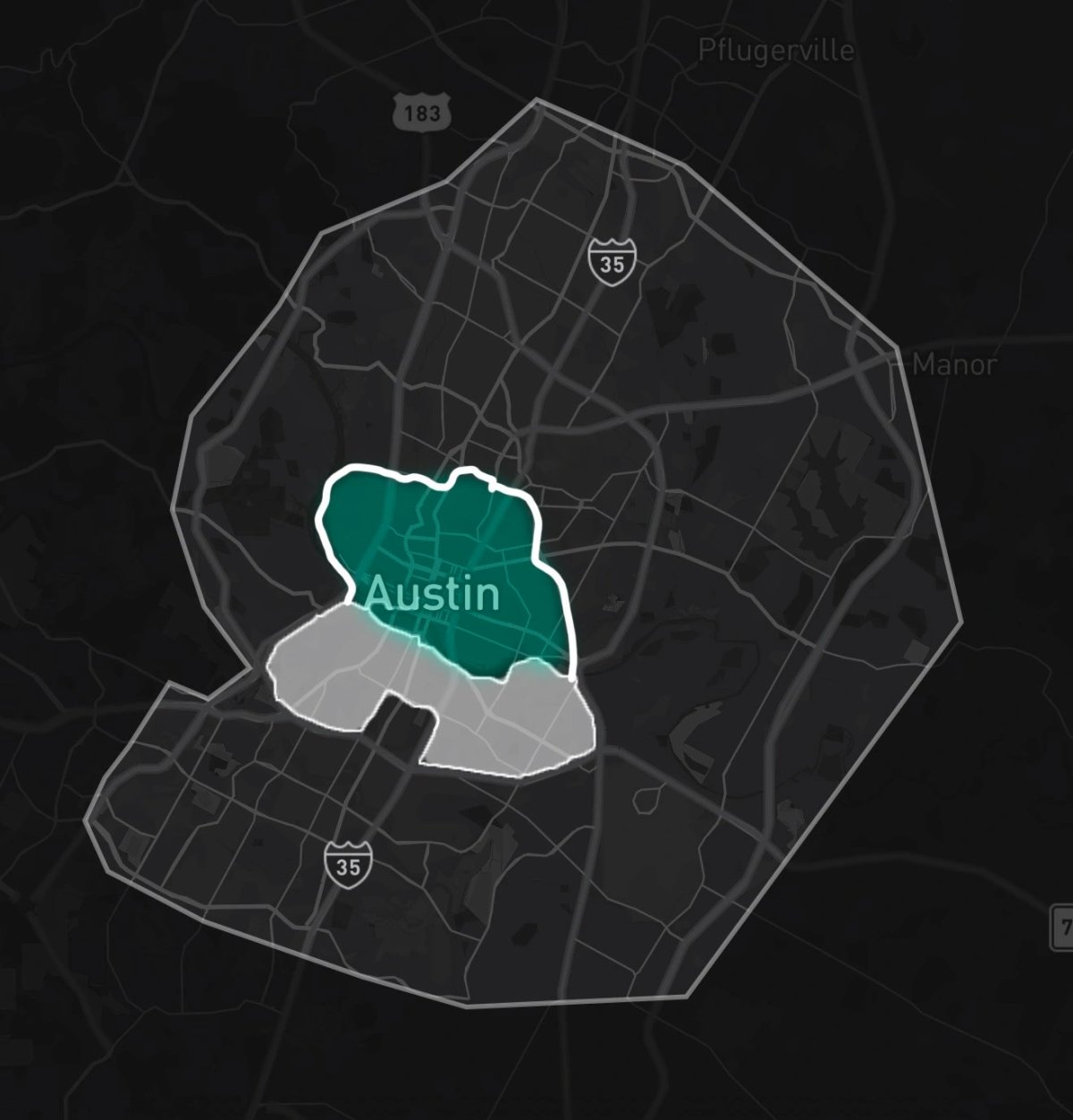
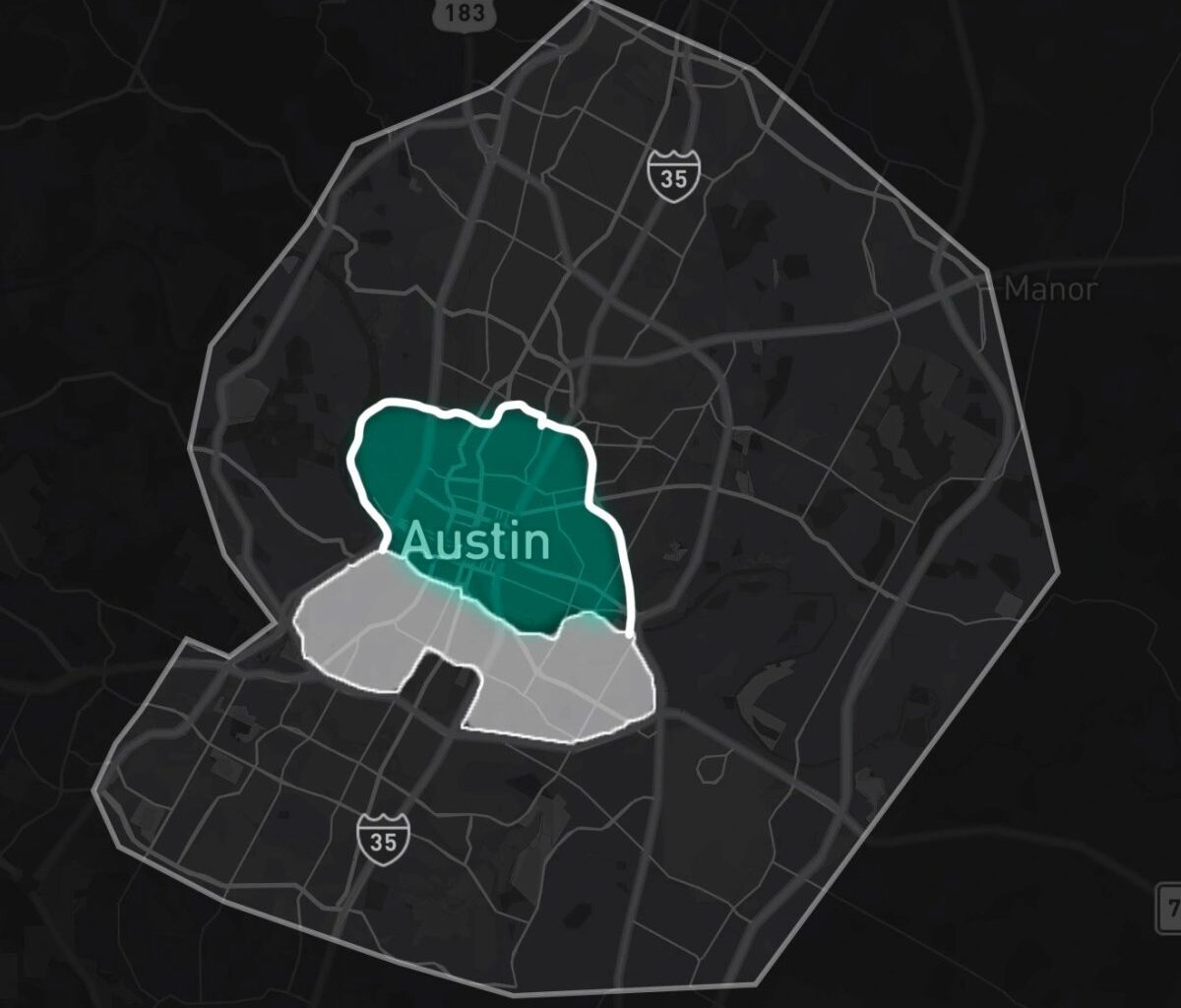
Tesla is officially taking the training wheels off its autonomous ride-hailing service in its home city. After launching fully unsupervised rides with no safety driver or monitor back in January, the company has now more than doubled the size of its “driverless” geofence in Austin, Texas.
According to Tesla enthusiast and frequent rider @iamjesserichard, the boundary has crossed a major physical milestone. “Tesla Unsupervised Geofence expanded! It’s across the river now and taking me downtown,” Richard shared on X. This expansion marks the first time Tesla’s fully autonomous fleet has been permitted to operate north of the Colorado River, providing a direct link into the heart of downtown Austin.
Crossing the River: A Major Milestone
Since the pilot program began last summer, Tesla has been cautious with its unsupervised rollout. While the standard Robotaxi service (which still utilizes a safety monitor) grew to 12 times its original size last fall, the truly “unsupervised” portion remained a much smaller subset of that area.
The new expansion is significant because it introduces the AI to the complex, high-traffic environment of a major metropolitan downtown area. A visual representation of the geofence shows the zone for unsupervised operation stretching significantly further north than the original Robotaxi boundaries from June 2025. While only a small fraction of the Austin fleet currently operates without a human in the front seat, Tesla is gradually transitioning more vehicles to this fully unsupervised mode as the software proves its reliability in the wild.
Scaling the Robotaxi Vision
Tesla is currently in the middle of a massive technological race, and expanding its operational geofence is the key to winning. By proving it can handle the dense infrastructure of Austin, Tesla is laying the groundwork for a much larger rollout. Recent evidence suggests the company is already preparing to launch the service in Las Vegas, Nevada, and Dallas, Texas.
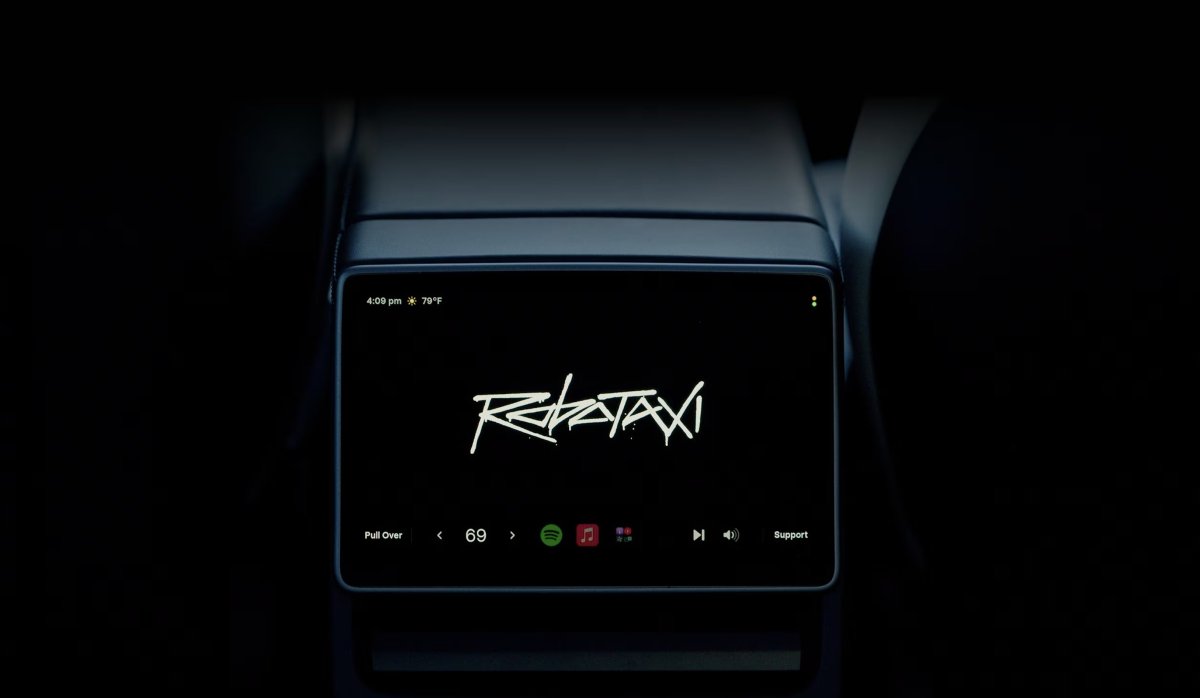
The service is also becoming more mature as a consumer product. Tesla recently lowered the minimum age to ride in a Robotaxi to just eight years old, provided an adult is present. However, the company is also starting to look at the bottom line; it raised Robotaxi fares twice earlier this month, indicating that the demand for autonomous convenience is high enough to justify a premium.
The Road to Full Autonomy
This expansion is a clear sign that Tesla is becoming more confident in its neural-network-driven approach. By mastering the streets of Austin, one neighborhood at a time, the company is gathering the specific data needed to eventually remove safety drivers in every city it enters.
As more “unsupervised” zones appear on the map, the day when you can summon a completely empty car for a ride across any major city feels less like a science fiction movie and more like an impending reality. We’ll be watching closely to see if the downtown Austin data leads to an even bigger leap across other Texas metros this spring.
Subscribe to our newsletter to stay up to date on the latest Tesla news, upcoming features and software updates.
March 31, 2026
By Nehal Malik
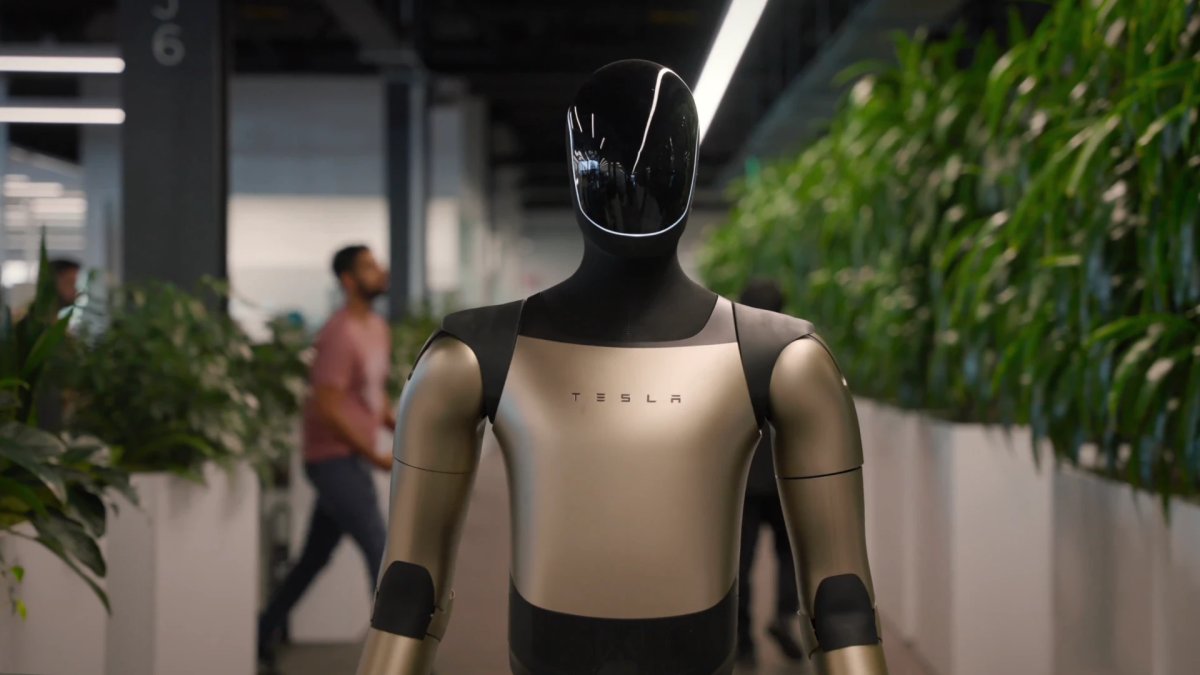
Tesla was originally expected to close out the first quarter of 2026 with a major bang, but it looks like fans will have to wait just a bit longer to see the future of humanoid robotics. As the Q1 window officially ends today, CEO Elon Musk has confirmed that the highly anticipated Optimus Gen 3 reveal is being pushed back as the team polishes the final product.
The update came via X after several accounts noted that the previously promised deadline had arrived. Responding to the speculation, Musk provided a brief status report on the project, stating that “Optimus 3 is walking around, but needs some finishing touches before it’s ready to be shown.”
Polishing the “Superhero Suit”
While Musk didn’t provide a specific new date for the unveiling, the phrase “finishing touches” suggests that a reveal could be right around the corner — likely arriving in April. Tesla is known for holding its high-profile demos to an incredibly high standard, and after the jumps in logic and dexterity we saw between Gen 1 and Gen 2, the bar for the third generation is massive.
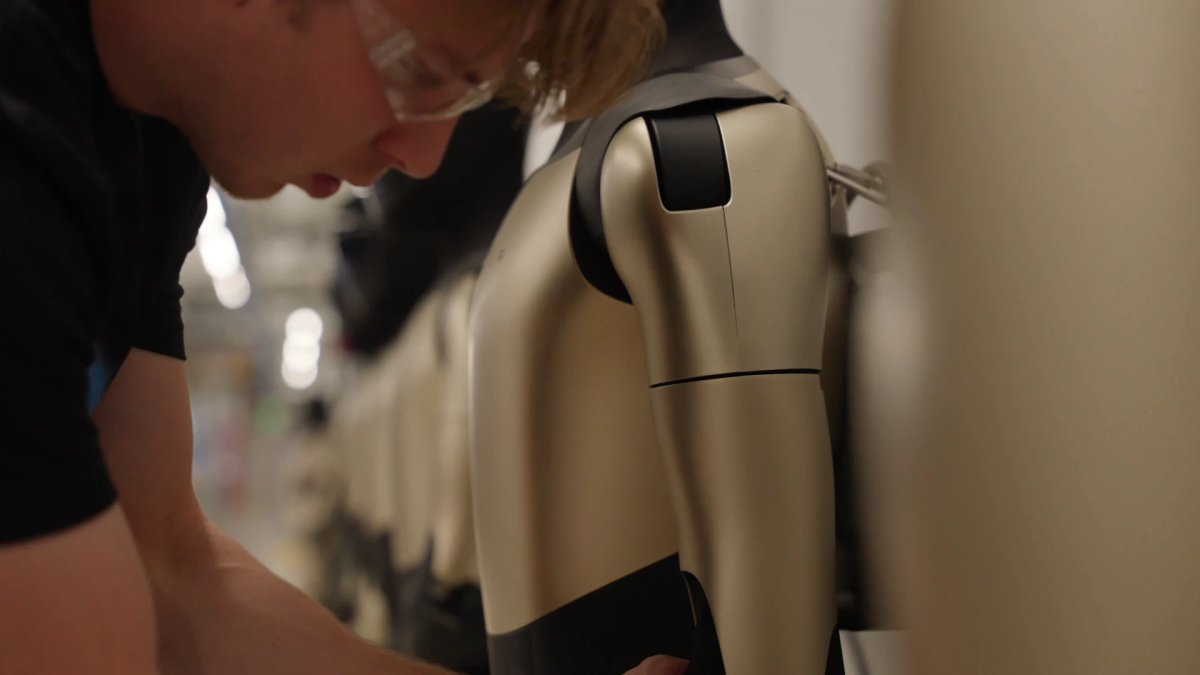
We already know quite a bit about what makes this new version special. Tesla engineers recently highlighted that Optimus Gen 3 is nearing human form factor and functionality. The “holy grail” of this generation is the new hand design, which features 22 degrees of freedom. This allows the robot to mimic human movement with startling precision, moving away from a clunky mechanical look and instead resembling what one engineer described as a “human in a superhero suit.”
Internal Labor and the Road to Abundance
Tesla’s plan for Optimus is much more than just a tech demo; it is a robotic moonshot aimed at transforming the global economy. The first real-world applications for Gen 3 will be strictly internal. Tesla plans to deploy these robots onto its own factory floors later this year to handle boring, repetitive, or dangerous tasks.
By starting in-house, Tesla can use its manufacturing lines as a massive testing ground. The goal is to have thousands of robots deployed by the end of 2026 to help cut costs and improve worker safety. Tesla aims to scale production to 1 million units per year at its Fremont factory around the same time, with a staggering 10 million units per year target for Giga Texas in the future.
The Pivot to an AI Powerhouse
This delay doesn’t change the fact that Tesla is aggressively retooling its business around robotics. The company is even discontinuing its flagship Model S and Model X vehicles to free up space for Optimus production lines in Fremont. It is a clear reinforcement of Musk’s views that the robot will be “the biggest product ever made,” with a long-term target price of roughly $20,000 to $30,000 per unit for consumers.
If Optimus Gen 3 can successfully demonstrate human-level precision — like poaching an egg or tightening a bolt — when it finally steps onto the stage, it will cement Tesla’s status as an AI leader. We’ll be watching closely for any “surprise” invites to a late-night event in Palo Alto or Austin over the coming weeks.
March 31, 2026
By Nehal Malik
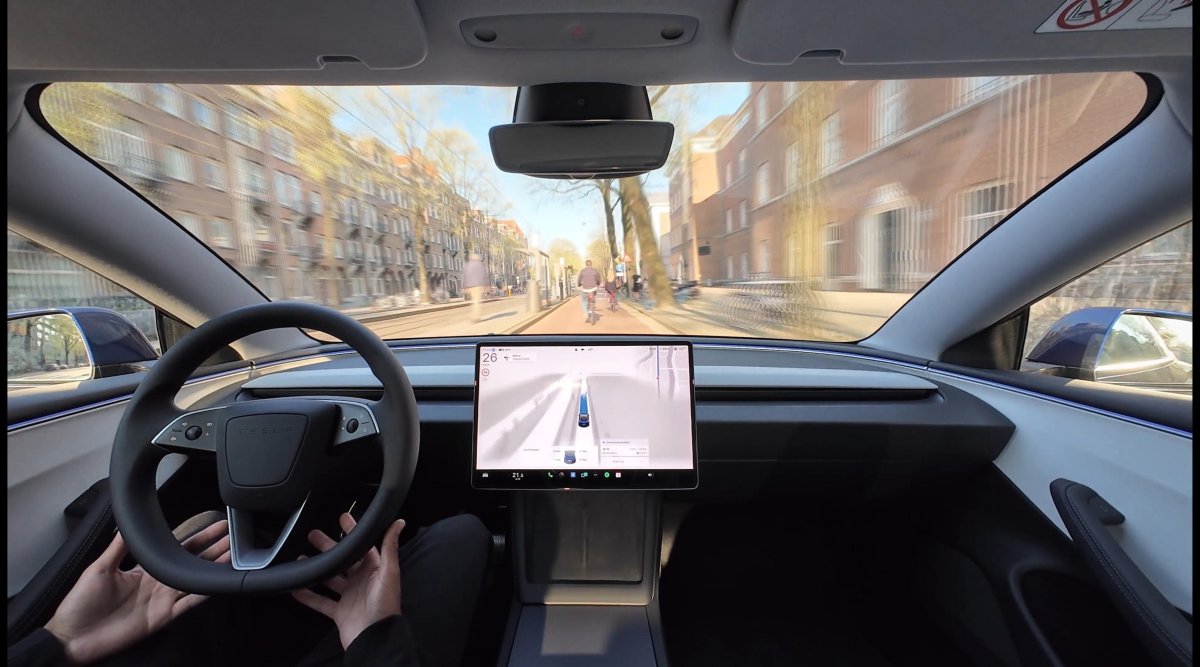
Tesla is taking a hard stance against a growing trend of “jailbreaking” its vehicles to enable Full Self-Driving (Supervised) in regions where it isn’t available. Over the last few months, a gray market has surfaced for unauthorized USB-like devices that can unlock FSD in countries where the software isn’t officially supported. Now, Tesla is fighting back with a wave of warnings to owners, starting with a major crackdown in South Korea.
According to Tesla watcher @tslachan, the automaker has begun mass-emailing owners regarding the use of unauthorized devices to make changes to the FSD software. These messages, which are also appearing as in-app notifications, clarify that Tesla is well aware of the workarounds and is prepared to pull the plug on anyone caught using them.
 How These “Jailbreak” Devices Work
The gadgets in question — often priced around 500 euros — typically plug directly into the vehicle’s Controller Area Network (CAN) bus. The CAN bus is essentially the central nervous system of the car, controlling everything from the windows to the steering. By intercepting these signals, the devices can bypass Tesla’s geofencing and software locks.
This is particularly tempting in South Korea, where FSD (Supervised) launched last fall but is currently exclusive to U.S.-built Model S, Model X, and Cybertruck units. Owners of China-made Model 3 and Model Y vehicles, many of whom paid over $6,000 for the FSD package, are legally blocked from using it due to local certification delays. These “jailbreak” tools exploit that frustration, but they come with a massive catch.
Tesla and Government Crackdowns
Tesla’s official warning is clear: if you use these devices, you are 100% liable for any accident that occurs. The company also noted it reserves the right to refuse warranty repairs regardless of whether the device actually caused the damage. However, the situation in South Korea has escalated beyond just a company warning.
The South Korean Ministry of Land, Infrastructure and Transport (MOLIT) has issued its own warning, classifying the use of these hacking tools as a criminal offense. Violating the Automobile Management Act by arbitrarily modifying vehicle software can lead to up to two years in prison or fines of 20 million won (~$13,200 USD). Tesla has also flagged these devices as a “cybersecurity threat,” meaning they may create vulnerabilities in the car’s software that hackers could exploit.
Official FSD Expansion is Coming
While the wait is frustrating, the legitimate path for FSD is expanding. Tesla is currently working through the “red tape” to bring FSD to more regions officially. The company expects to receive its first European approval in the Netherlands this April, which will likely trigger a rollout across the EU. And with the software already available on many South Korean Teslas, it likely won’t be long before the rest of the Hardware 4 (HW4) fleet in the country gets access to it.
As Tesla works toward its goal of “unsupervised” FSD, the software is becoming more competent with every update. For a full look at which regions are next in line, check out our global FSD roadmap. Using an unauthorized device might seem like a quick fix, but with the risk of bricking your car, losing your warranty, or facing jail time, the “flick of a switch” just isn’t worth it.