
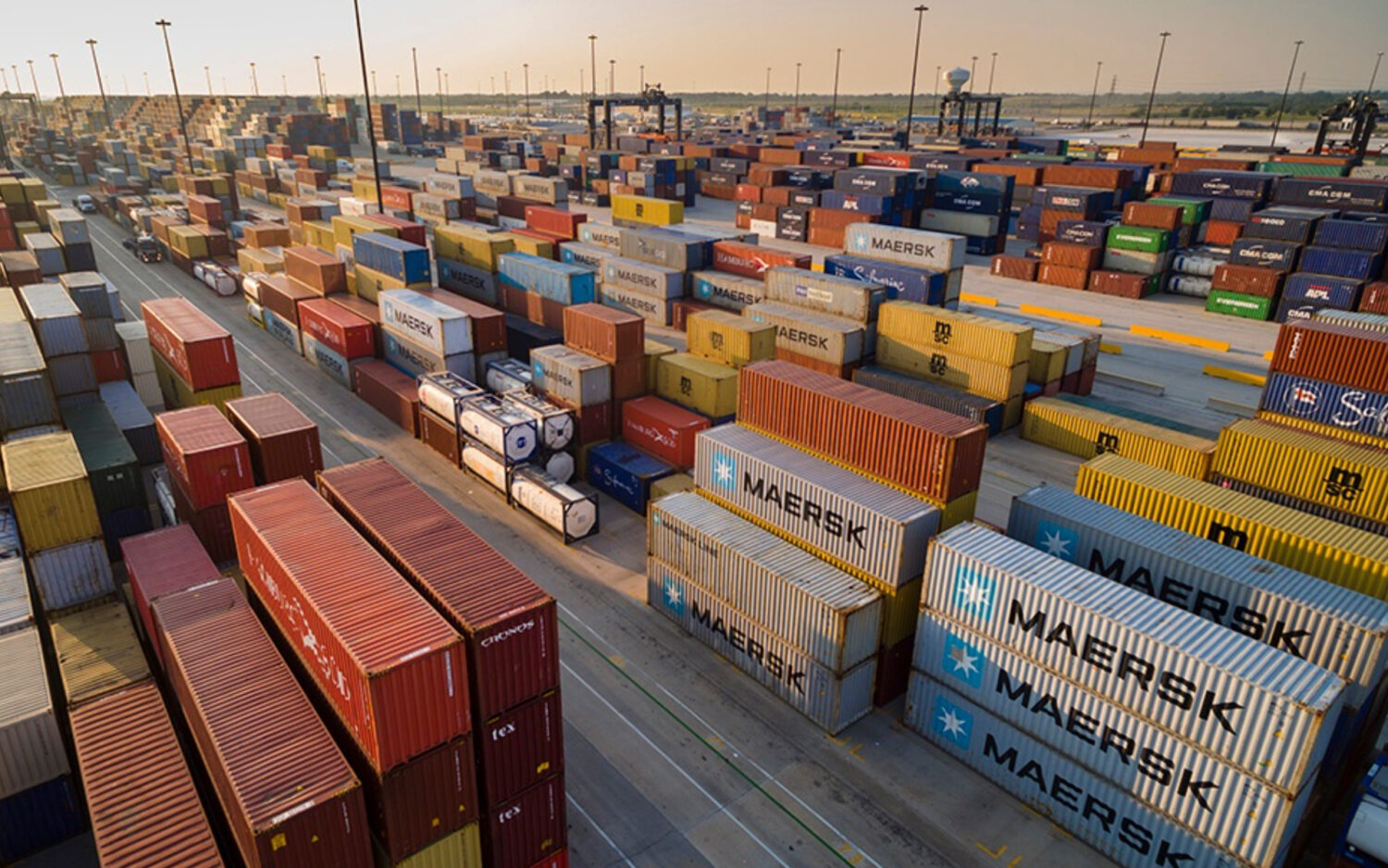
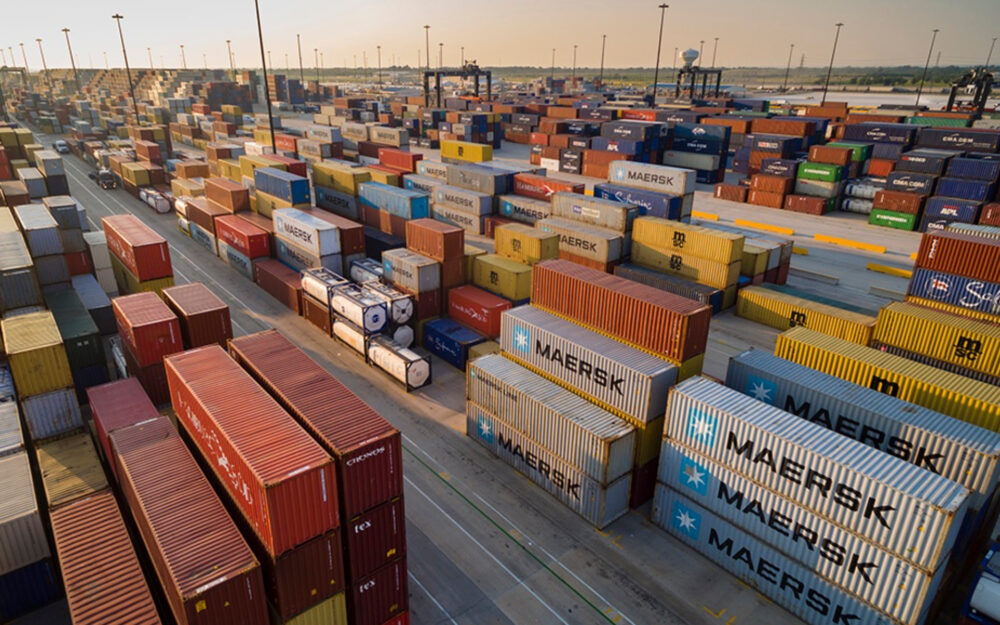
 Shipping containers at the Port of Houston.
Thursday will mark one year since President Donald Trump proclaimed “Liberation Day,” imposing tariffs by executive order on virtually all U.S. trading partners. While the Supreme Court has ruled those tariffs illegal, the administration has yet to refund them, and new tariffs are on the way.
Small businesses in Texas and beyond say they’re feeling the pain.
Over the 11-month period ending in January, Texas companies paid $13 billion in tariffs under the International Emergency Economic Powers Act (IEEPA). Even that understates the damage, according to the small business coalition We Pay the Tariffs. The advocacy organization found Texas businesses paid a total of $26 billion in tariffs imposed directly by the White House without the approval of Congress between March 2025 and this January. New trade numbers, due out from the U.S. Census Bureau on Thursday, are expected to drive that total still higher.
Sign up for the Hello, Houston! daily newsletter to get local reports like this delivered directly to your inbox.
“One year after Liberation Day, the damage to America’s small businesses goes far beyond what any tariff data can capture,” said Dan Anthony, executive director of We Pay the Tariffs. “These businesses have spent the last 12 months not growing, not hiring, not innovating, but surviving. They’ve drained savings, taken on debt, laid off employees and cut product lines just to keep their doors open.”
All of that is taking a toll on the Texas economy, according to a study published by the Federal Reserve Bank of Dallas late last year.
Houghton Horns, a musical instrument store in Keller, near Fort Worth, is one such small business. Kacie Wright, the store’s business manager, said that even if the administration refunded the emergency tariffs today, it would not make up for the damage done.
“Online sales are down about 40%. So, even if we get refunded, because we’ve had to raise our prices so high to cover these tariffs, that refund won’t cover the lost revenue,” Wright said.
That’s only part of the economic problem stores like Houghton Horns face. There’s also the fact that importers have to pay customs duties in advance before U.S. Customs and Border Protection allows their goods into the country.
“We’ve had to get a line of credit from our bank and take out loans to pay up front,” Wright said. “And so, we’ve been paying interest on loans, so even if we do get paid back for what we’ve already paid, and I eat the tariffs.”
While stores with little inventory, like Wright’s, were forced to raise their prices early, larger companies were able to hold prices down because they had more products in stock before the tariffs took effect. That backstock is now running out.
“If the tariffs continue for another year, you’re just going to see prices everywhere just slowly creep up as people run out of last year’s inventory and start having to import more,” Wright said. “So, we really need the tariffs to stop now, or prices are just going to get worse.”
The U.S. Department of the Treasury did not immediately respond to a request for comment about the impacts of tariffs on businesses or about when or whether the court-ordered refunds would be issued.