
As budget season begins, Plano officials are considering the city’s long-term financial health in their assessment of possible property tax rate increases.
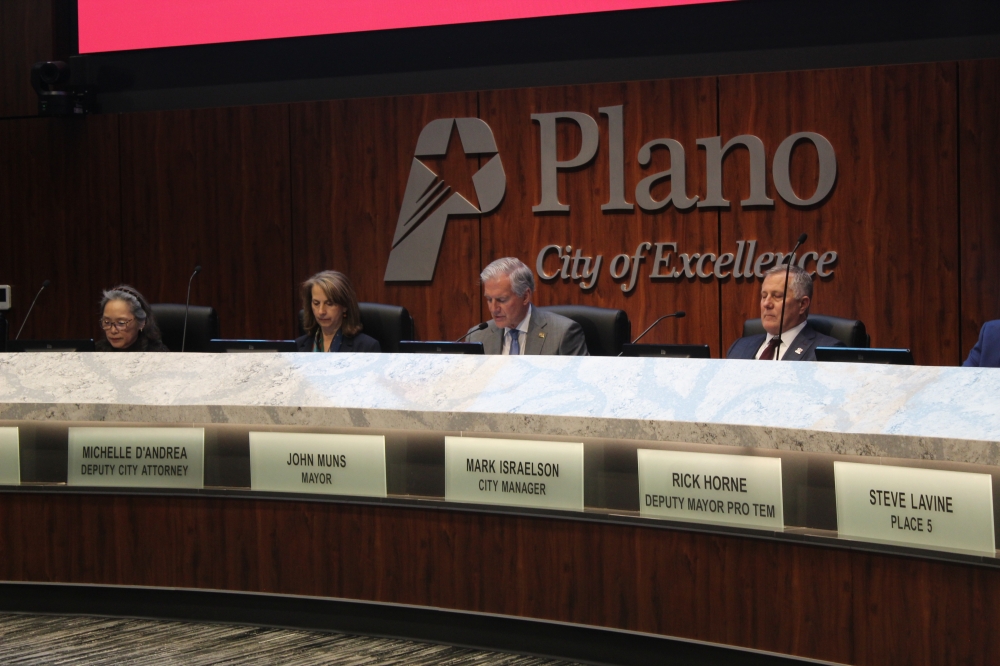
Director of Budget and Research Karen Rhodes-Whitley gave a presentation on Plano’s five-year financial forecast alongside consultants from NewGen Strategies and Solutions at a March 23 Plano City Council meeting.
What you need to know
On top of expected inflation, new expenses related to staffing and operating a number of facilities being built in the next five years will require increased spending from the city’s general fund, Rhodes-Whitley said.
This budget season, council members will consider whether to increase property tax rates to meet those additional spending needs.
Council can raise property taxes by as much as 3.5% without calling an election, a ceiling known as the voter-approval rate, NewGen representatives Matthew Garrett and Steve Doogue said. Council could also choose to maintain a flat property tax rate, called the no-new-revenue rate.
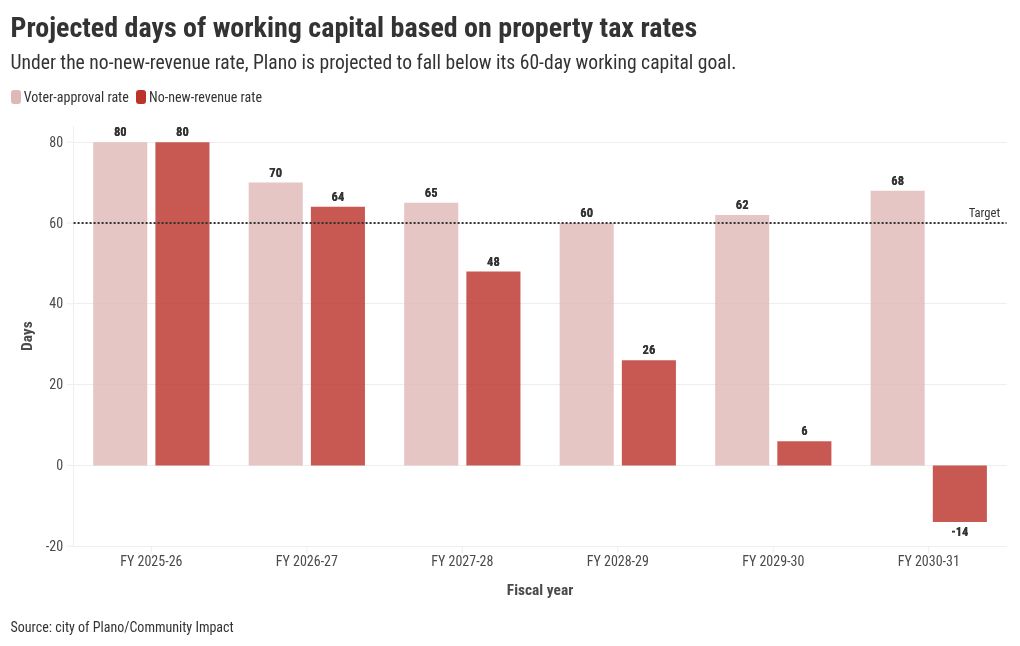
If council decides to go with the no-new-revenue rate, expenses are expected to outpace revenue and deplete fund balances, according to the presentation.
Breaking it down
Plano’s spending from its general fund is expected to increase by an average of 3.2% each year, according to the presentation.
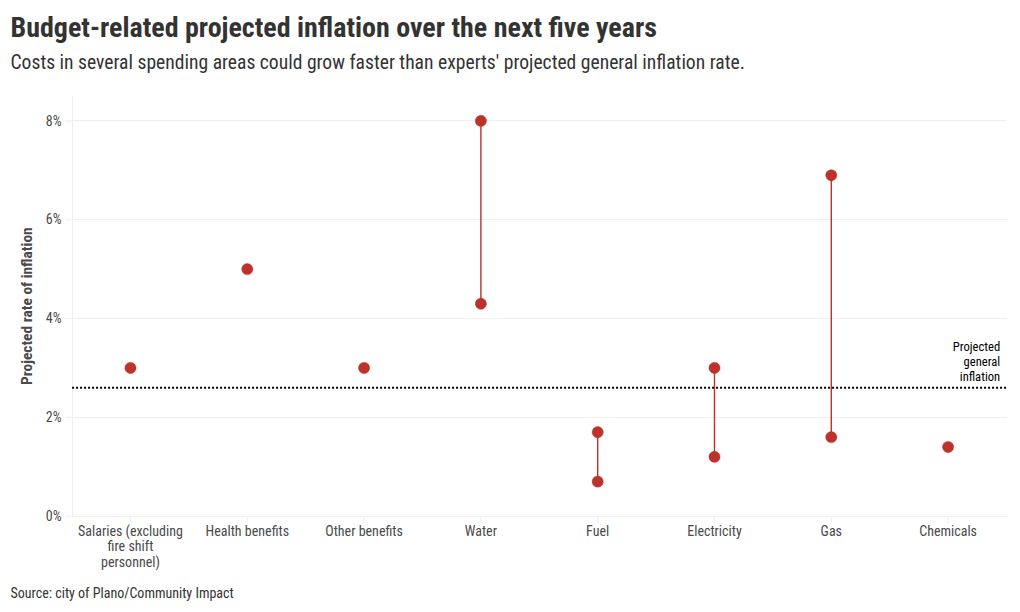
Part of that growth is due to projected inflation. Garrett and Doogue said the cost of water, gas, and health benefits could all increase faster than general inflation over the next five years.
Council also plans to spend more on specific items compared to previous years, particularly on public safety.
Fire Station No. 8 is set to undergo renovations in 2027, and Fire Station No. 14 is expected to come online in fall 2028, increasing the operating expenses of the new stations once construction is complete.
Plano Fire-Rescue is also switching to a new staffing schedule over the next five years. As part of the new schedule, the department will hire 120 new firefighters by 2030, increasing spending by over $20 million by FY 2030-31, according to the presentation.
Budget explained
The city of Plano generates most of its general fund revenue through property and sales tax.
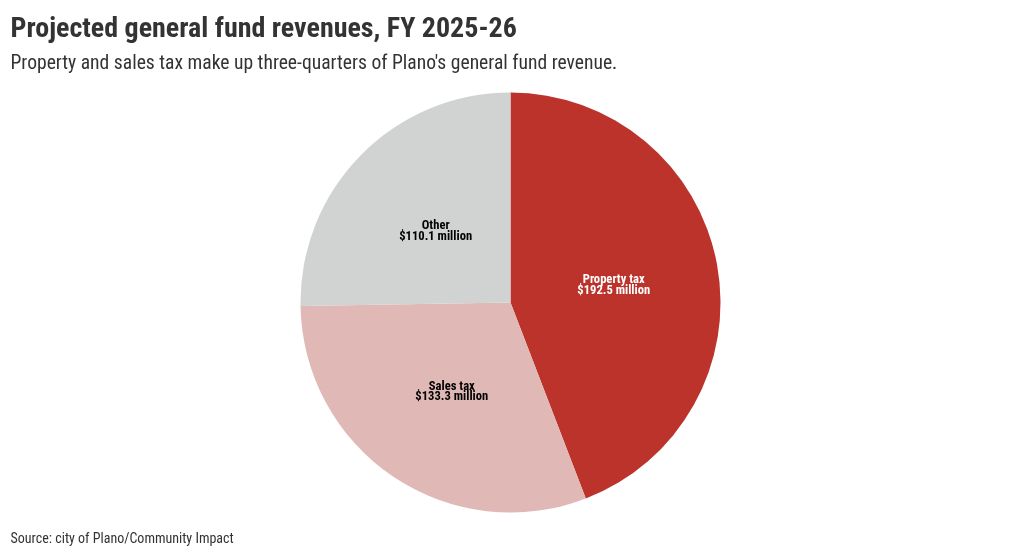
Plano residents already pay an 8.25% sales tax, which is the maximum allowed under state law.
In order to increase revenue for expected spending increases, the city will rely on adjusting property tax rates, Garrett and Doogue said.
The total market value of property in Plano is expected to grow an average of 3.3% per year over the next five years, the representatives said. However, city officials can only collect property tax on a limited portion of that value.
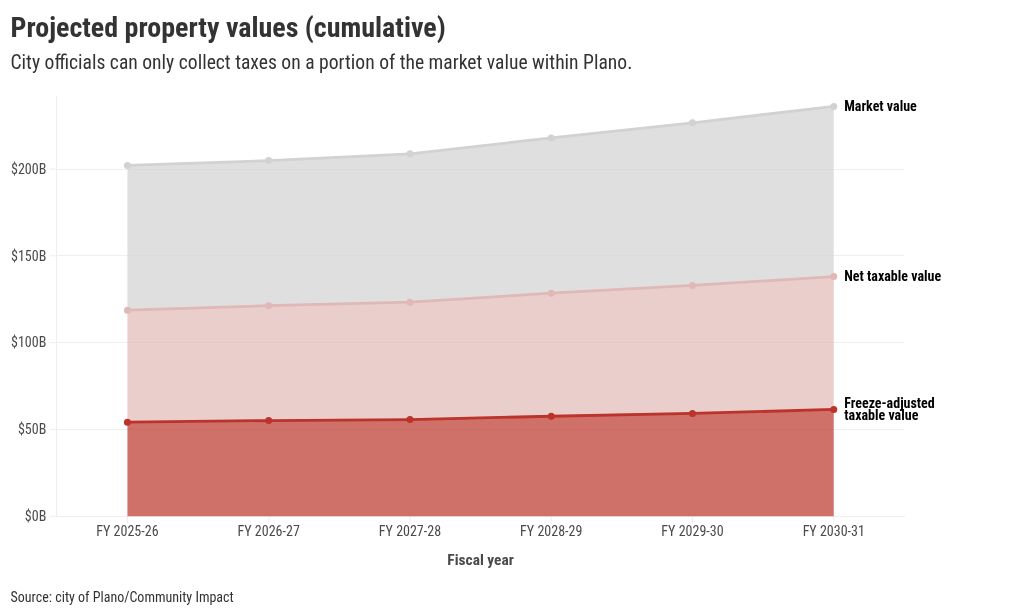
Some of the market value in Plano is eligible for tax deductions, like the homestead exemption or exemptions for seniors and people with disabilities. Seniors and people with disabilities can also apply for a tax freeze, which further limits the amount of property tax that city officials can collect.
Looking ahead
It’s likely that council will land somewhere in the middle of the no-new-revenue rate and the voter-approval rate each year, Rhodes-Whitley said.
Right now, departments across the city are putting together budget requests. The city manager will collect those requests and incorporate them into a recommended budget for council.
Over the summer, council will discuss the proposed budget and hear community input before adopting the budget for the next fiscal year, which starts Oct. 1.