
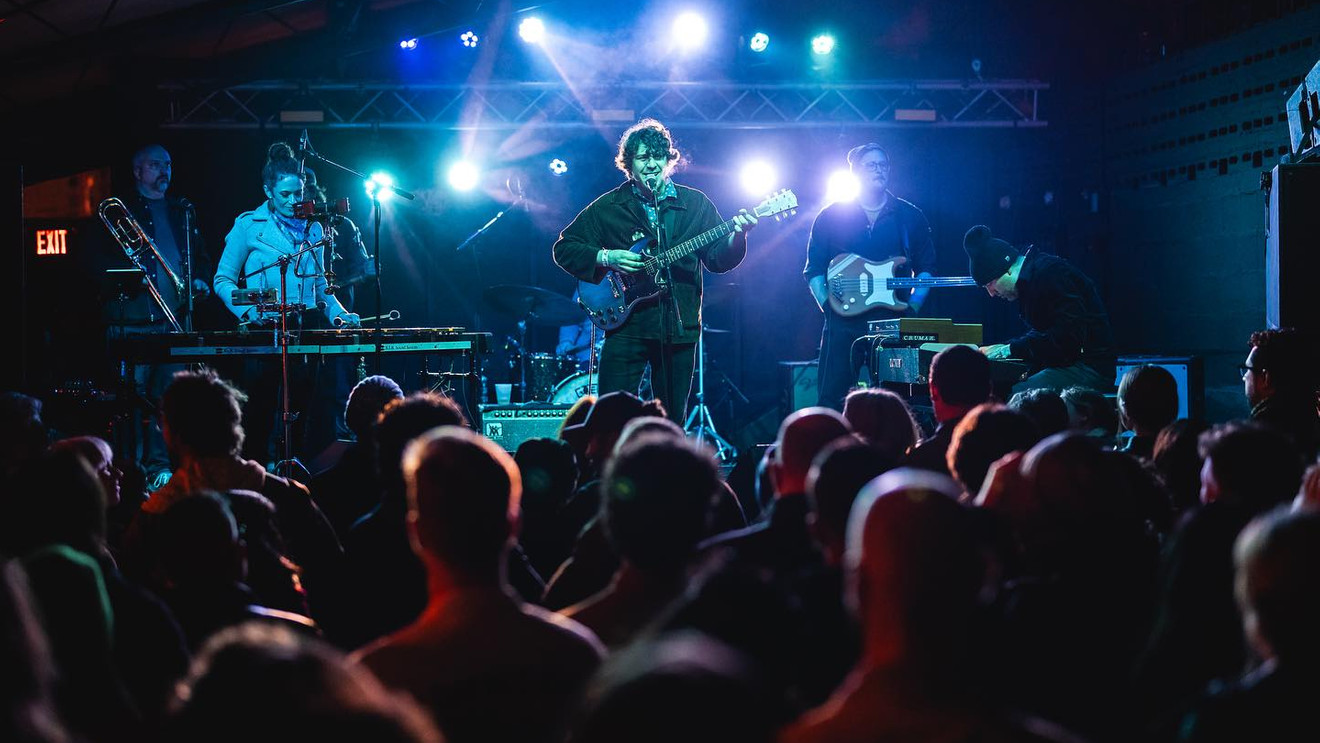
AUSTIN, Texas — The Red River Cultural District has generated more than $2.3 billion in economic impact over the last five years, according to its first-ever Economic Impact Study, solidifying the district’s role as a major economic driver in Austin’s entertainment sector.
The study, conducted by AngelouEconomics, found that the downtown Austin entertainment hub produced an estimated $529.9 million in total economic output in 2025, supporting over 3,700 full-time jobs and producing nearly $174 million in labor income for local workers. The district also generated over $23 million in direct tax revenue last year, according to the study.
The district’s annual economic impact grew around $150 million between 2021 and 2025, the study found, with cumulative impact over five years exceeding $2.3 billion.
“We have long spoken about the economic and cultural benefits of Red River and its role in amplifying our value and contributions to this community, as well as to the broader creative and music ecosystems. Having the opportunity to now see the data, understand our worth, and recognize the substantial economic impact we bring to this community is a major milestone for our organization and district,” said Nicole Klepadlo, Executive Director of the Red River Cultural District. “Our community of stakeholders came together out of a call to action to form this district, and it’s incredibly meaningful to see that effort validated. With this economic impact data, and with our cultural district serving as core infrastructure for so many facets of our creative community, we now have greater opportunities to advocate, collaborate, and negotiate moving forward.”
ALSO | High water reported on northbound I-35 near Buda after morning heavy rain
The district’s largest economic contributions last year were concentrated in food and beverage, transportation, and ticket sales, according to the study.
“Red River is one of the most special places in Austin, where our music, culture, and community come together in a way that feels truly authentic. It’s home to the artists, venues, and small businesses that give this city its energy and identity,” said Austin City Council member Zo Qadri. “This is a district that serves not just visitors, but Austinites from across the city, with an impact felt Downtown and beyond. That is why it is so important that we continue to support and invest in Red River and in the arts that keep Austin’s culture alive.”