
EL PASO, TEXAS (KFOX14/CBS4) — Kristina Waldrop has been pushing for her 8-year-old son to be allowed to wear a GPS tracking device at school, saying it’s a safety measure she believes is medically necessary.
Waldrop’s son, Ethan Cuevas, is a non-verbal student with autism at Desertaire Elementary School in northeast El Paso.
Waldrop said Ethan has a history of elopement, and she wants him to wear a GPS tracking device during the school day.
“I am doing everything in my power and I’m not gonna stop. My son’s safety and anything about my son is my main priority,” Waldrop said. “We’ve been through a lot together, so I’m not taking a no for an answer when something is needed for my son and I’m gonna fight for him to the end.”
RELATED: Child with autism leaves school unnoticed, found hours later, raising safety concerns
Waldrop described Ethan as affectionate and caring.
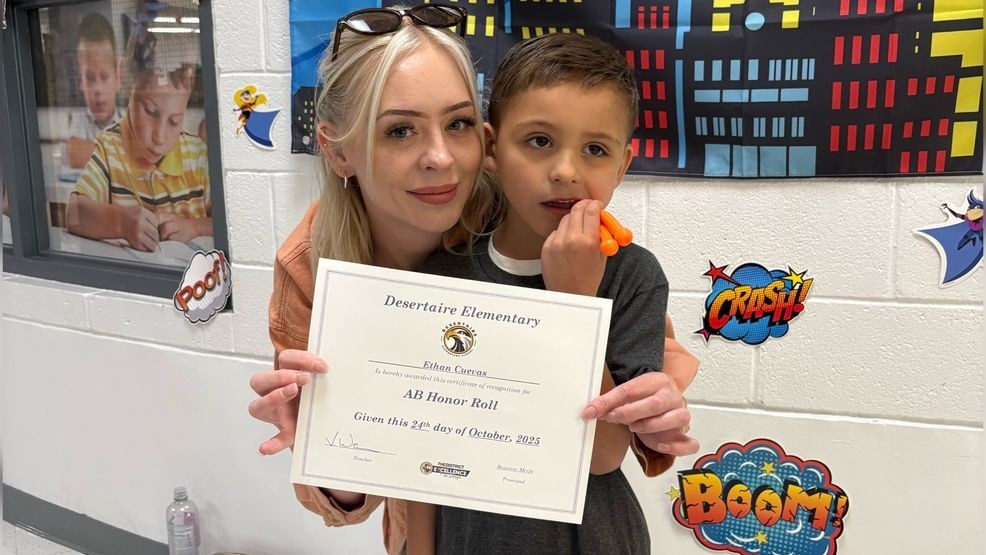
Kristina Waldrop with her son Ethan Cuevas. (Credit: KFOX14/CBS4)
“He’s such a sweetheart. So compassionate. Like, they say kids that have autism don’t show affection. That’s not my son at all,” she said.
Waldrop said she asked the Ysleta Independent School District during an Admission, Review, and Dismissal (ARD) meeting in March to allow Ethan to wear a device called AngelSense, which is designed for children with special needs.
She said she chose it because of its emergency and location features.
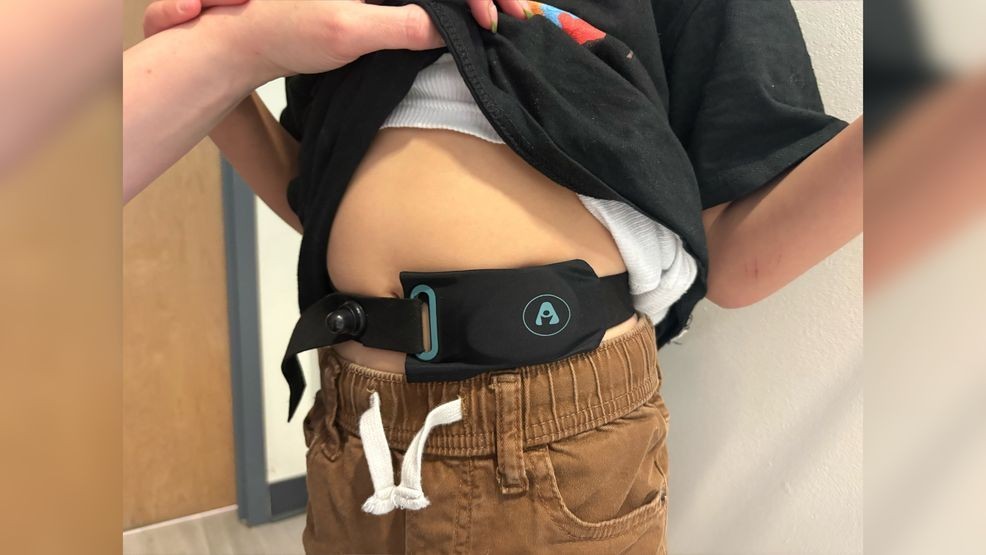
Ethan Cuevas with his AngelSense tracking device. (Credit: KFOX14/CBS4)
“AngelSense seemed like it was the right fit for him,” Waldrop said. “Because it has emergency features on there to alert first responders if he does elope. It has geosensing where if he was to leave school I can set up that perimeter.”
But Waldrop said the ARD committee denied her request the same day, recommending an Apple AirTag instead.
You can read the denial letter below:
Waldrop said she was stunned by the decision.
“I just couldn’t believe it. I couldn’t believe that they were denying a device that’s medically necessary to keep my child safe,” she said.
Waldrop said an AirTag is not an adequate substitute.
“The air tag is used to track items and not people. It’s not sufficient enough for safety,” she said.
After the denial, Waldrop said she submitted letters from Ethan’s pediatrician and behavioral specialist stating the device is medically necessary.
You can view the letters below:
KFOX14/CBS4 reached out to Ysleta ISD regarding the denial of the tracking device, in a statement the district said
For privacy reasons, Ysleta ISD cannot comment on specific student matters. The district prioritizes all student safety and works collaboratively with families, relevant staff, professionals, and campus committees to address any individualized student needs within our legal constraints. Effective this school year, state law prohibits student use of personal devices during the school day. Prohibited devices include assistive technology with GPS tracking, real-time recording capabilities, and two-way communication. When assistive technology is requested to meet a student’s special needs, the district must also consider whether the device is capable of invading the privacy of other students. This is because the district is bound by several student privacy laws and cannot authorize or allow a third-party to videotape or audio record other students without written parental consent. When the device is determined to be too intrusive, the committee responsible for the student’s education plan remains obligated to meet the student’s need by exploring and implementing other viable options. This practice ensures both the safety and privacy of our students.
The law, HB 1481, took effect this school year and bans cellphones in Texas schools.
However, it allows exceptions for medical needs or if included in a student’s individualized education program, also known as an IEP.
“If it’s an IEP or 504, prior to them to if it’s deemed medically necessary by a doctor,” Waldrop said.
The district also referenced it “must also consider whether the device is capable of invading the privacy of other students,” citing student privacy laws and concerns about third-party video or audio recording without written parental consent.
KFOX14/CBS4 then interviewed AngelSense’s lead clinician, Melissa Schiefelbein, who said the device does not record audio or video and that communication features can be disabled during school hours.
“So the device does not record at all,” Schiefelbein said. “It’s exactly like I said the SIM card it you can call in to it and you the Individual wearing the device can press the button and notify you that they need to get in touch with you. There’s also capabilities to disable the communication features Automatically on a school schedule.”
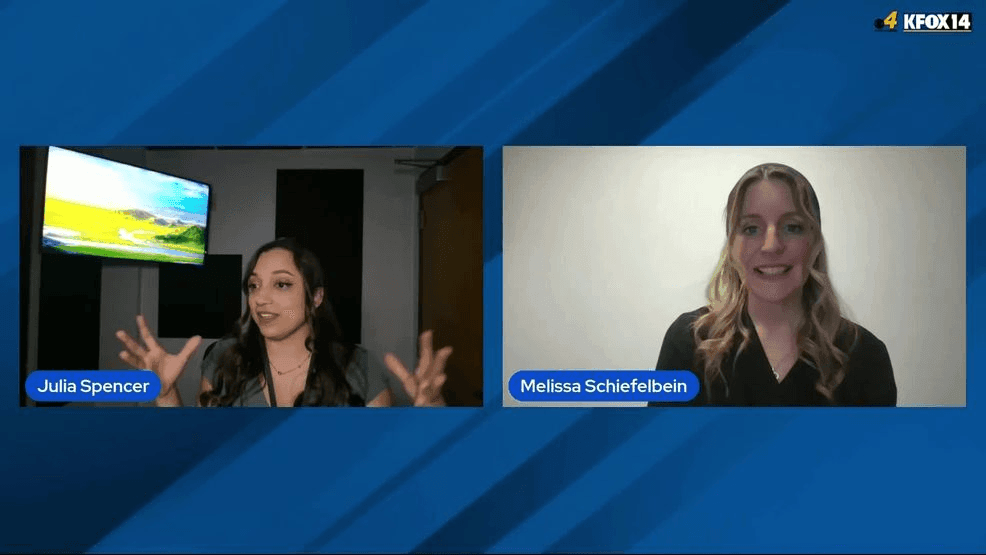
KFOX14/CBS4 reporter Julia Spencer interviewing AngelSense’s lead clinician. (Credit: KFOX14/CBS4)
RECOMMENDED: Questions mount over Socorro ISD safety after student with autism leaves campus unnoticed
The Texas Education Agency said the state’s cellphone ban allows exceptions for students with special needs.
The agency also said that if parents have concerns, they can file a complaint through the agency’s website.
Waldrop said district officials called her on Wednesday after KFOX14/CBS4 reached out for more information, and she said the district told her it is now considering allowing the tracking device.
Sign up to receive the top interesting stories from in and around our community once daily in your inbox.