
SAN ANTONIO – San Antonio cold cases could be one step closer to a breakthrough.
The San Antonio police department received a $1 million infusion of cash to make it happen. That money will help investigators use genetic evidence to solve murders and sexual assaults.
It comes from a congressional earmark and will hopefully give families the answers they’ve desperately waited for; while forensic experts say the technology isn’t a guarantee, it gives an important jumpstart.
“There hasn’t been a closure for six years, traveling on seven,” said Eddie Gonzalez. “I’m hoping that this will help us out.”
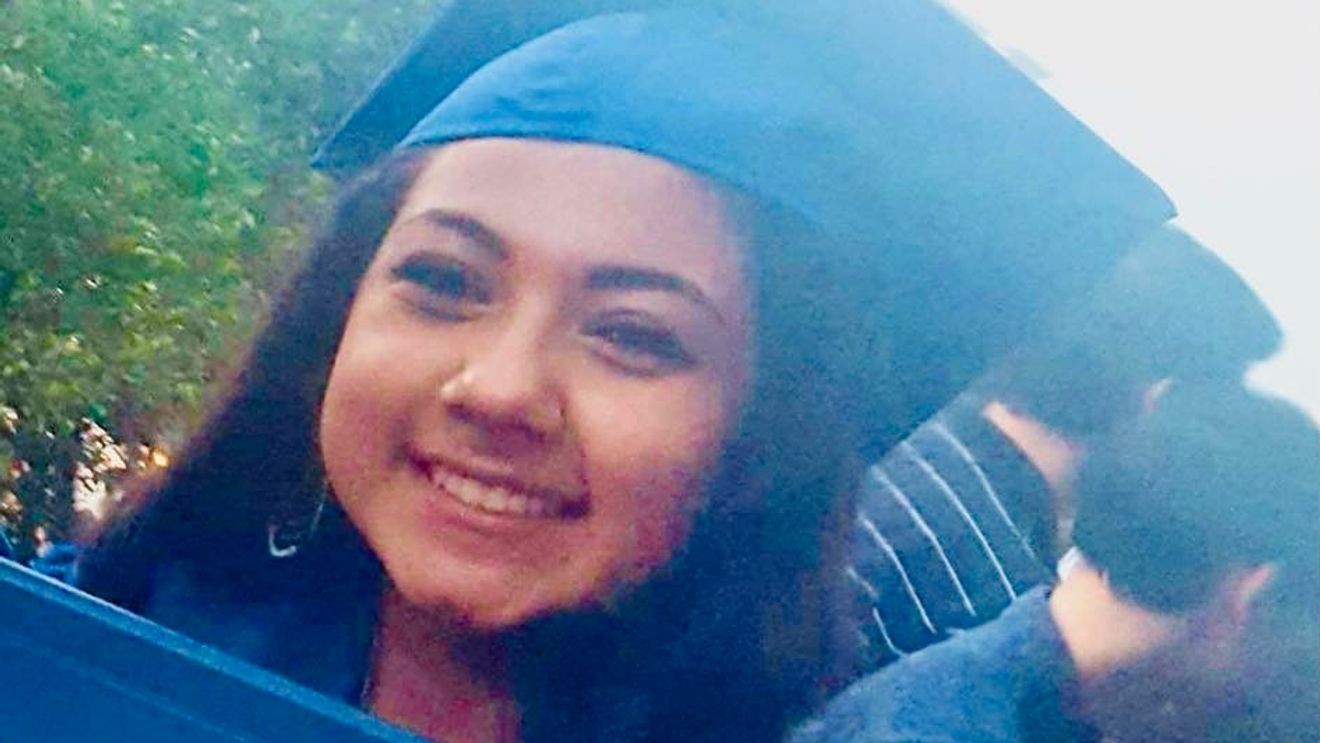
It’s a program that will give fathers like Gonzalez answers he can only dream of now since the death of his daughter Meagan Gonzalez back in 2019. She was found murdered, and her case has gone cold.
“I had a dream a while back that she was asking me to get justice for her, and I had promised her. After I woke up in the dream, I told her: ‘I will get justice for you.’,” he said.
Now Gonzalez hopes the congressional funding will breathe life into hundreds of cases like Meagan’s that have San Antonio investigators stumped.
“This is about justice. It’s about closure, and it’s about using every available tool to protect our community,” said San Antonio Police Chief William McManus.
The funding will pay for the ‘Cold Case Forensic Genealogy Project’, allowing investigators to use DNA from crime scenes to potentially track down suspects — even years later.
“We can answer questions we weren’t able to answer before,” said crime scene investigation expert Brenda Butler.
She’s also the owner and consultant of Justice Matters Consulting and Training. She says genealogical forensics cast a wider net for investigators.
“You’re opening up more to people who have submitted their DNA and have family members that have submitted their DNA,” Butler said. “So it’s just like a broader database.”
The technology helps pinpoint suspects who have never even been charged with a crime.
While not every case will be eligible for the program, Eddie is hopeful that he and other families are another step closer to justice.
“I’m hoping that this will help us out. I’m hoping that this will, you know, get us some answers,” he said. “I’m going to get closure for you and justice for you one day, my baby.”
Authorities say there are roughly 300 cases eligible for this project. Some of them date back as far as 50 years.