
Our movements can provide insight into how we are feeling, according to new research from the University of Texas at Dallas.
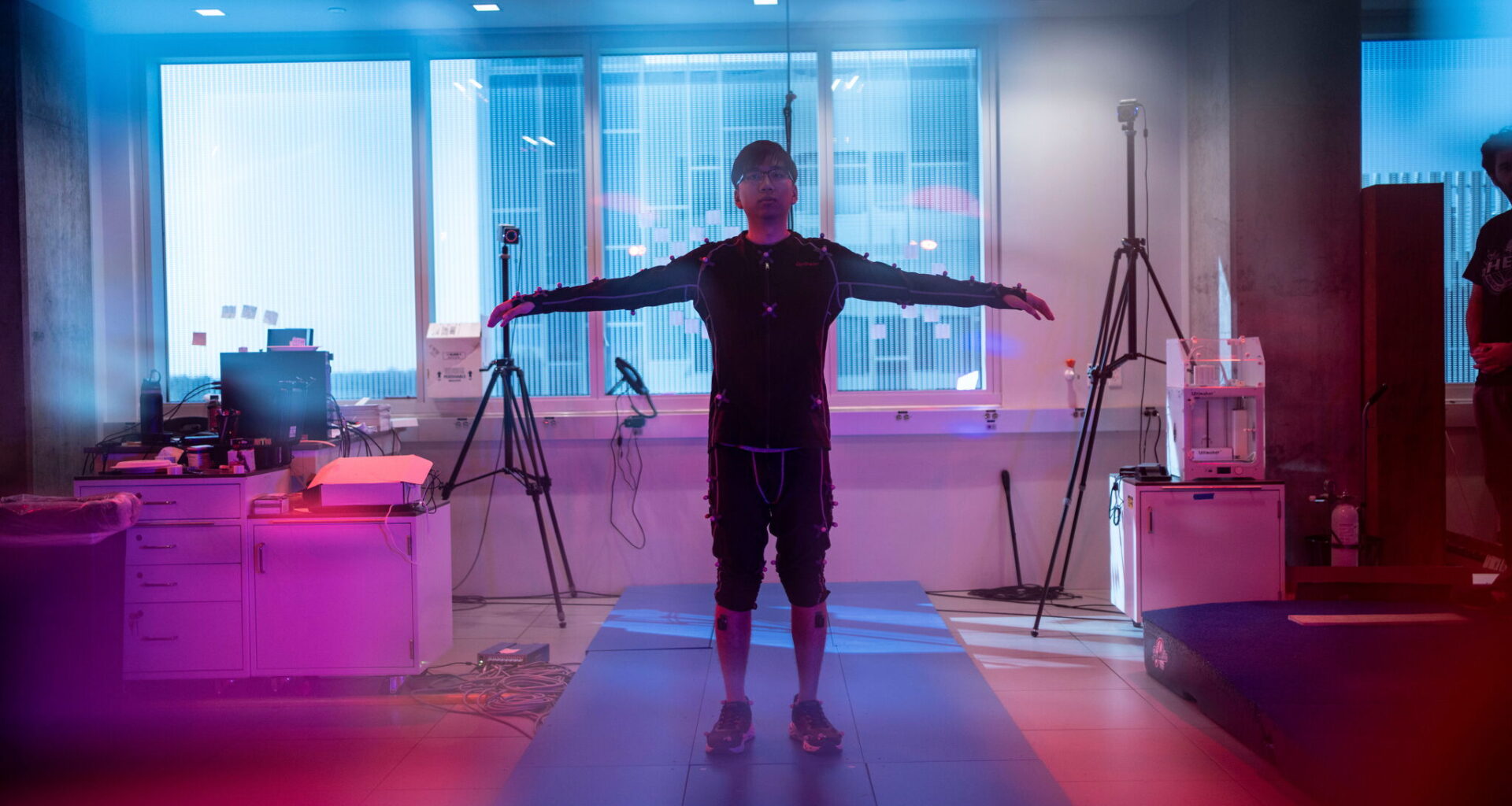
In a study published this year in the journal Gait & Posture, researchers asked 30 young adults to answer questions that screen for depression and anxiety. Participants then walked and did sit-to-walk movements while cameras recorded them. The scientists analyzed this data and used machine learning models to determine whether differences in gait and other movement features could distinguish between participants with heightened symptoms of depression and anxiety and those without.
“Our study showed that depression and anxiety can be identified from human movement,” Gu Eon Kang, an assistant professor of bioengineering who led the study, said in a news release. “Gait analysis could offer an objective method for evaluating mental health.”
The research builds on a growing body of evidence suggesting that mental health affects both how people feel and move. For example, a 2023 study found that emotions such as sadness, excitement and fear influenced a person’s pace and rhythm, suggesting emotional state can alter gait and should be considered when analyzing movement. A separate 2023 study found that analyzing video of how movement changes over time could offer a practical way to assess anxiety.
In a study published last year, Kang and his colleagues recorded 15 young adults who were asked to walk while recalling memories to evoke emotions such as anger, sadness, joy and fear. Using machine learning, the researchers correctly identified participants’ emotional states about 59% of the time, compared with 25% expected by random guessing. Sadness was identified most accurately, at 66%.
“If we can detect potential issues, people can seek treatment early and outcomes could be much better,” Kang said in the news release.
In the new study, the machine learning model correctly predicted participants’ mental state about 75% of the time based on walking and about 77% of the time based on sit-to-walk tasks.
“You expect someone to walk slower when they’re sad. But what’s interesting to see is the different body responses that occur,” Angeloh Stout, the study’s first author and a graduate student in Kang’s lab, said in the news release. “Subjects with higher depression and anxiety scores showed subtle but measurable differences from subjects with lower scores in how their joints moved along with greater hesitation during transitions like standing up to walk.”
Wearable devices could one day help track mental health through movement, Kang said, but they would not replace a professional diagnosis. More research — particularly in larger studies — is needed to establish gait analysis as an objective measure of human emotion. But the work by Kang’s lab nudges at that possibility.
“Believe it or not,” Kang said, “gait may be the most reliable modality for detecting emotion.”