
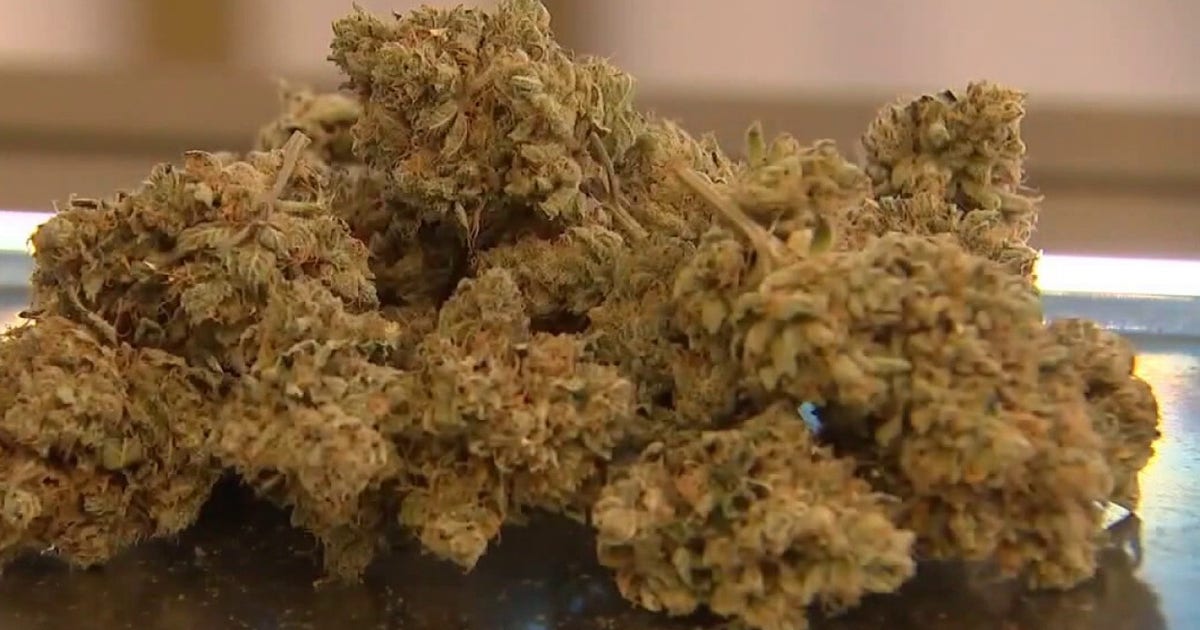
AUSTIN, Texas – A national group is pushing Texas to take a look at people still behind bars for marijuana offenses as more states relax cannabis laws.
The “Last Prisoner Project” says justice should evolve with the law, but not everyone agrees.
The backstory:
As cannabis laws continue to change across the country, some advocates say the criminal justice system hasn’t kept up.
“As states continue to think through the penalties associated with cannabis, there’s an obligation to go back and undo the harms caused by cannabis prohibition,” Last Prisoner Project Director of Policy Adrian Rocha said.
The Last Prisoner Project is a national nonprofit working to free people serving time for nonviolent cannabis offenses and clear criminal records for those already released. The group said in Texas, options for relief are limited — either clemency or waiting out a sentence. Instead, they want lawmakers to step in.
“We want to figure out what a legislative solution looks like. To say here’s this crop of individuals who should be reconsidered, their sentences should be re-evaluated to determine whether this is an appropriate sentence,” Rocha said.
Dig deeper:
In Virginia, lawmakers have passed a bill that would do just that, allowing judges to revisit certain cannabis convictions. The measure is now on the governor’s desk with a decision deadline set for April 13.
Supporters said it could serve as a model for other states, including Texas.
“There’s way more support for common sense cannabis reform than we ever would have thought,” Rocha said.
The proposal would give judges the ability to reconsider sentences, particularly in cases where today’s laws would likely mean less, or no jail time.
“In light of legalization, you probably wouldn’t have been sentenced to this amount of time, or you would have already served your time, so I’m going to go ahead and say time served and cut that out, or I’m going to knock time off of your sentence, acknowledging that if you were convicted today, that offense would no longer warrant that amount of time,” Rocha said.
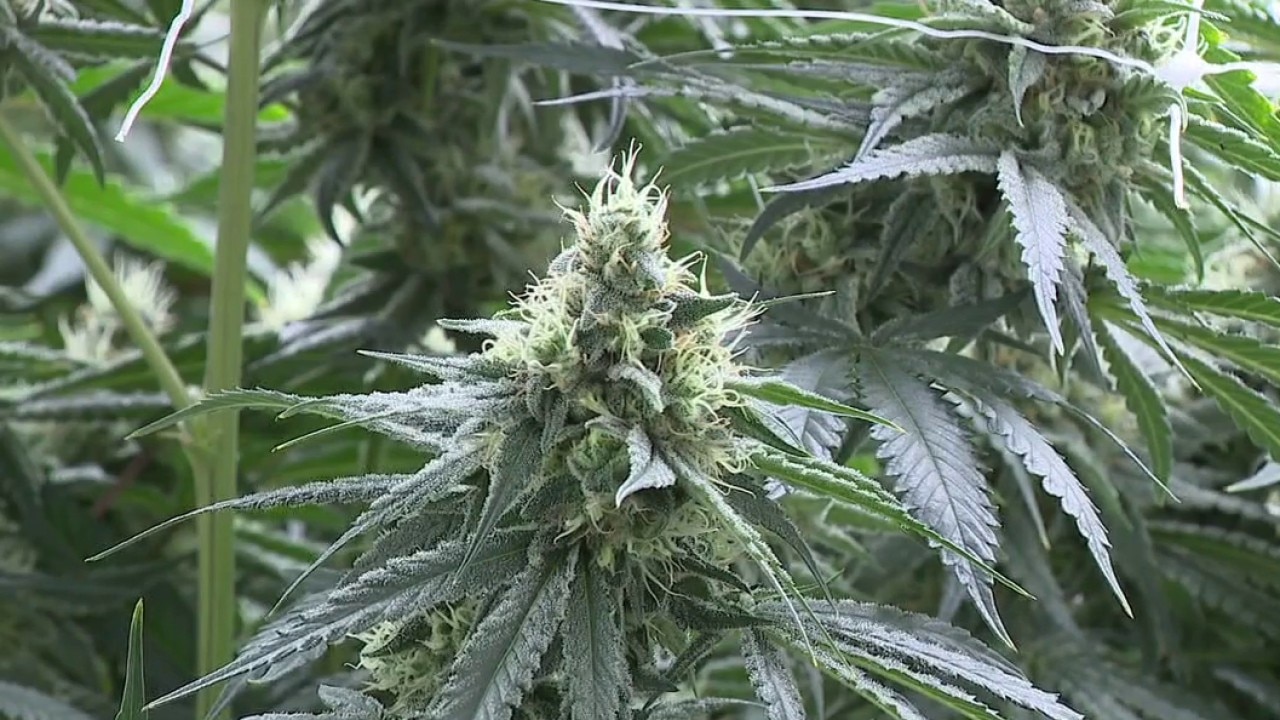 PREVIOUS COVERAGE: Trump orders marijuana reclassification
President Trump signed an executive order to re-classify marijuana, easing restrictions on the drug. Some are excited about how the reclassification paves the way for more research, but others warn of its own set of challenges it could bring.
Not everyone supports that idea though. Some law enforcement groups and tough-on-crime advocates argue retroactively reducing sentences could undermine confidence in the justice system and open the door to revisiting other crimes. Others said even as laws change, those convicted were sentenced under the rules in place at the time, which potentially impacts hundreds of Texas.
“The Department of Corrections said that there are 283 individuals whose offensive record was marijuana,” Rocha said.
Rocha said that is likely an undercount but emphasizes the current system comes with lasting consequences.
“You can’t apply for certain jobs if you have criminal convictions, you can’t apply for federal benefits, so temporary assistance for needy families, food stamps is off the table, federal housing assistance is off the table. Let’s say you wanted to go back to and get a master’s degree, you can’t apply for Pell grants. There are a host of collateral consequences that come from even just a conviction for simple possession, let alone individuals who have to serve the full amount of time for their sentence,” Rocha said.
He said as laws evolve, justice should, too.
The Source: Information from interviews conducted by FOX 7 Austin’s Meredith Aldis