
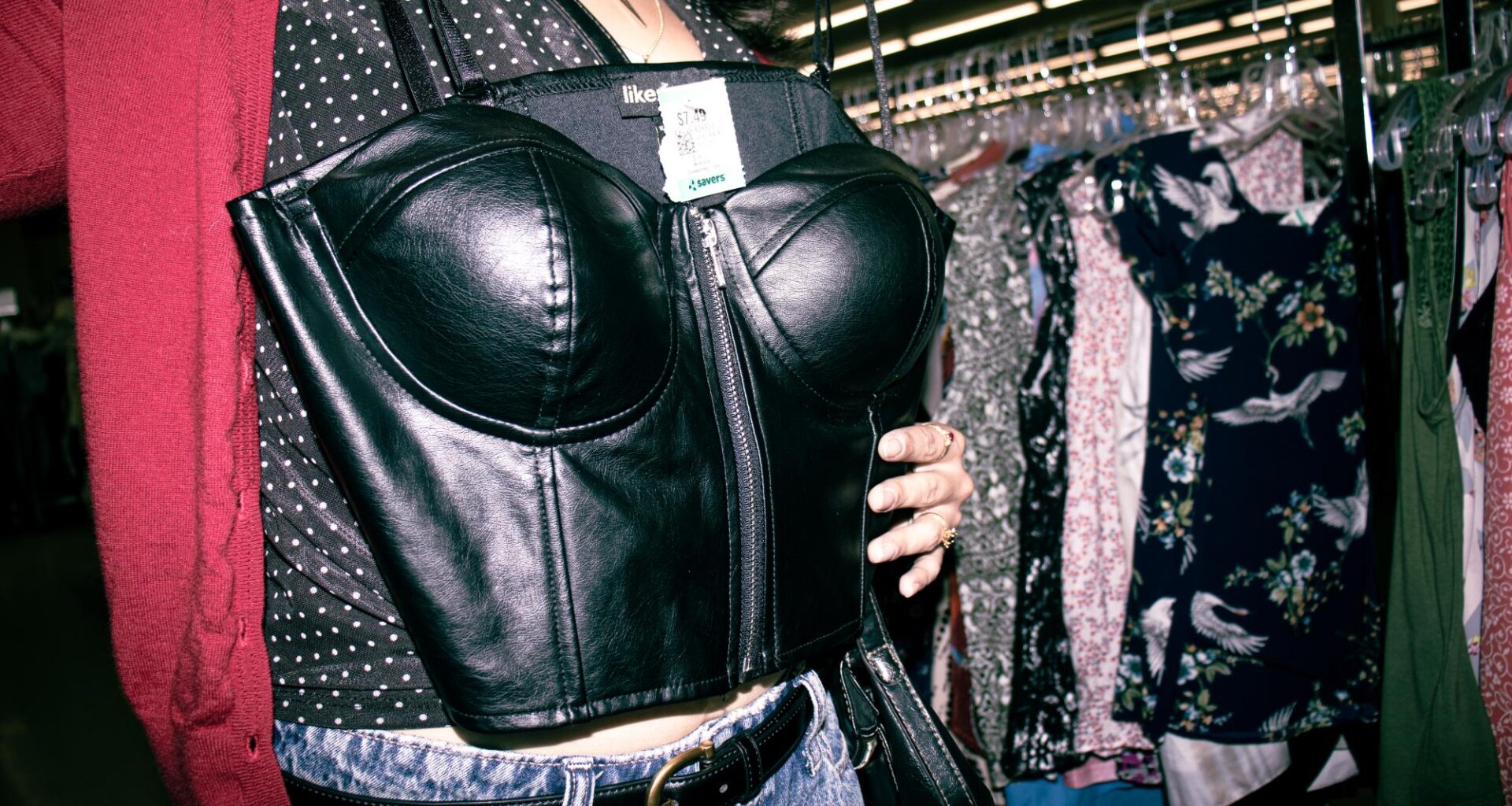
Before thrifting became trendy, sifting through the racks of Goodwill or Savers was something many kept private, a budget friendly necessity, rather than a lifestyle choice. Today, that has changed and despite concerns about increasing costs and reselling culture, it’s a shift that’s been widely embraced.
As influencers and resellers buy out entire racks, some argue that the growing popularity has had unintended consequences. According to a 2026 Threadup resale report, 67% of customers consider resale value before buying and more than half (58%) look to second-hand shops before anywhere else, potentially pushing out more price conscious shoppers reliant on these stores.
Still, some see this shift in a more positive light. Marlene Nieto, a junior at the University of Texas at El Paso (UTEP), said thrifting has not only become more accepted, but a stage for curating personal style and finding quality pieces.
“I feel like before 2018, thrifting was associated more with families of low income. I want to say [there has been a] mostly good impact, given the rise of fast fashion and how clothing eventually becomes really unaffordable,” Nieto said. “Sometimes you can find something that is higher in quality with a better price, rather than having to go to the mall and find something expensive and with a quality that doesn’t match.”
Other students echoed similar statements, pointing to both affordability and individuality as key reasons they shop second-hand. Kyara Molinar, a freshman at UTEP, said thrifting helped her discover her personal style, adding that she prefers vintage finds over modern-day fashion trends.
“When it came to the newer clothes, it really wasn’t my style. I like vintage jackets, and I never really liked modern clothing, per se,” Molinar said. “It wasn’t until I started going to thrift stores, I saw what I like specifically. So that’s where I usually shop.”
Shoppers aren’t the only ones noticing the shift in how people view thrift stores; the changes to these businesses are just as visible behind the scenes. Terrie Valle, owner of the resale boutique Country Girls with Pearls, said that when she was younger, shopping at thrift stores had been something she felt embarrassed to admit.
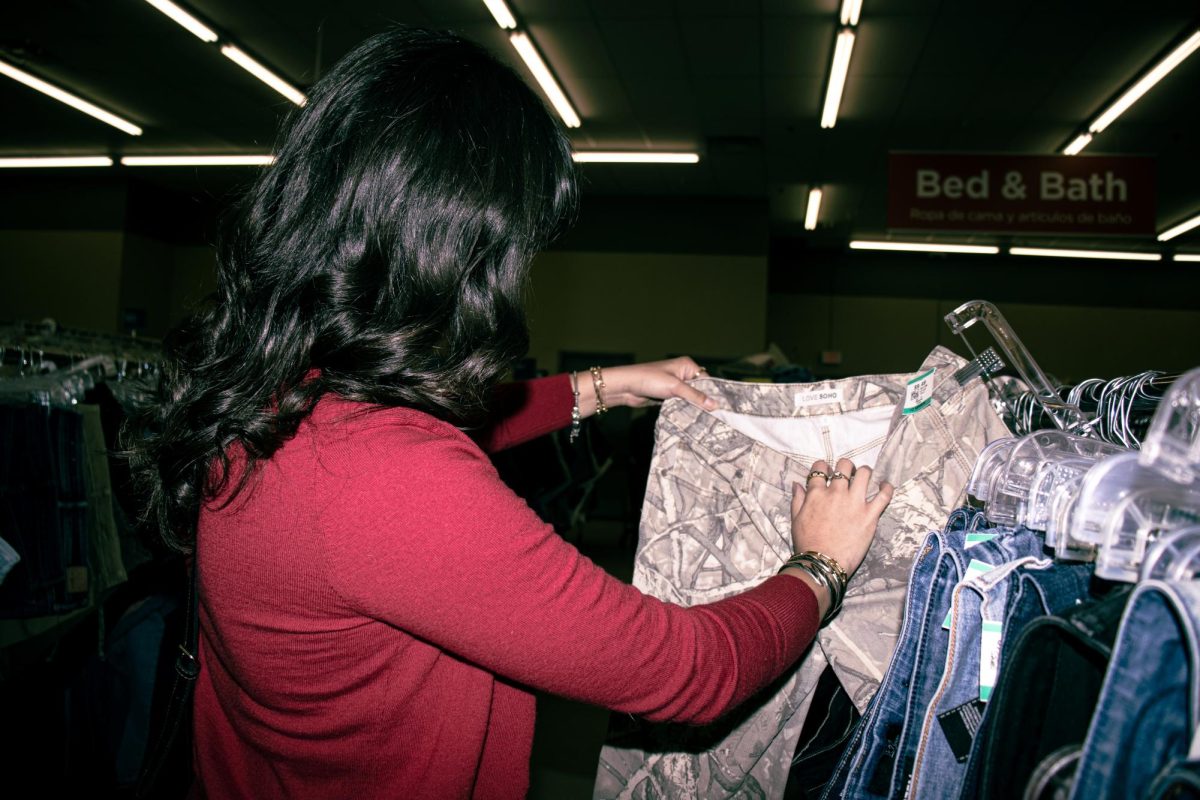
Once a necessity for many, thrifting has evolved into a popular trend, reshaping how people shop while raising questions about affordability and access.
“I remember I wouldn’t say that I would go to a thrift store to my friends because I was embarrassed,” Valle said. “I think now they know that they could find so many awesome things at even higher quality.”
Valle also pointed out that in her own store, and the ones she herself visits, she noticed more higher income shoppers, and younger customers browsing the shelves, some even shopping specifically to resell items.
“I have seen people maybe a little higher of income and I think they see the value there,” Valle said. “The newer stuff maybe doesn’t last as long, so even though they’re in a higher income bracket, they still want their stuff to last.”
Overall, despite the influx of resellers, Valle said she doesn’t see them becoming a major inconvenience for everyday shoppers. For those willing to be patient, deals are still out there.
“I think they’ve gotten so much more popular that it’s not really much of a factor anymore. I think there’s no problem with finding things, you might not find it right away, but you’ll eventually find it.” Valle said.
While concerns linger and prices rise in just about every part of daily life, most shoppers seem to agree that the tradeoffs are worth it. Escaping fast fashion, discovering personal styles and maybe making a little cash off unwanted clothing in the process.
Jewel Ocampo is a staff reporter and may be reached at [email protected]
