
Dallas spent millions in hotel tax money on arts projects without enough proof the spending met state law, according to an internal city audit.
A city auditor’s review of Dallas’ Office of Arts and Culture found it spent $4.9 million of $8.9 million in hotel occupancy tax reimbursements in the 2024 fiscal year on programs that may not comply with state law. The law requires these funds to be used for projects that attract overnight visitors to support the local hotel industry, but the city had no records showing that happened.
The remaining $4 million went to 28 arts groups in the Cultural Organizations Program that were expected to draw visitors. But the city had no proof they actually did, according to the audit.
The Office of Arts and Culture asks for reports from groups that receive funding, but auditors found the city’s checks were inconsistent and could not confirm if programs delivered what they promised.
The audit doesn’t conclude the spending was illegal, but it warns that the city “may have difficulty demonstrating compliance with state law if the use of hotel occupancy tax revenues is reviewed or challenged.”
“The Office of Arts and Culture has not formalized or documented a standardized process for demonstrating how hotel occupancy tax revenues applied to arts programming meet state law requirements,” the audit said.
The city collects tax revenue on hotel room rates, with part of the money going to the Office of Arts and Culture to support and promote local arts programs.
The audit also found oversight problems in other arts spending. The city’s three main programs gave out $8 million through 249 contracts in the 2024 fiscal year, which ran from October 2023 through September 2024. Auditors reviewed 25 of these contracts and found that while reports were filed, officials didn’t consistently verify if the money was spent correctly or if programs delivered as promised.
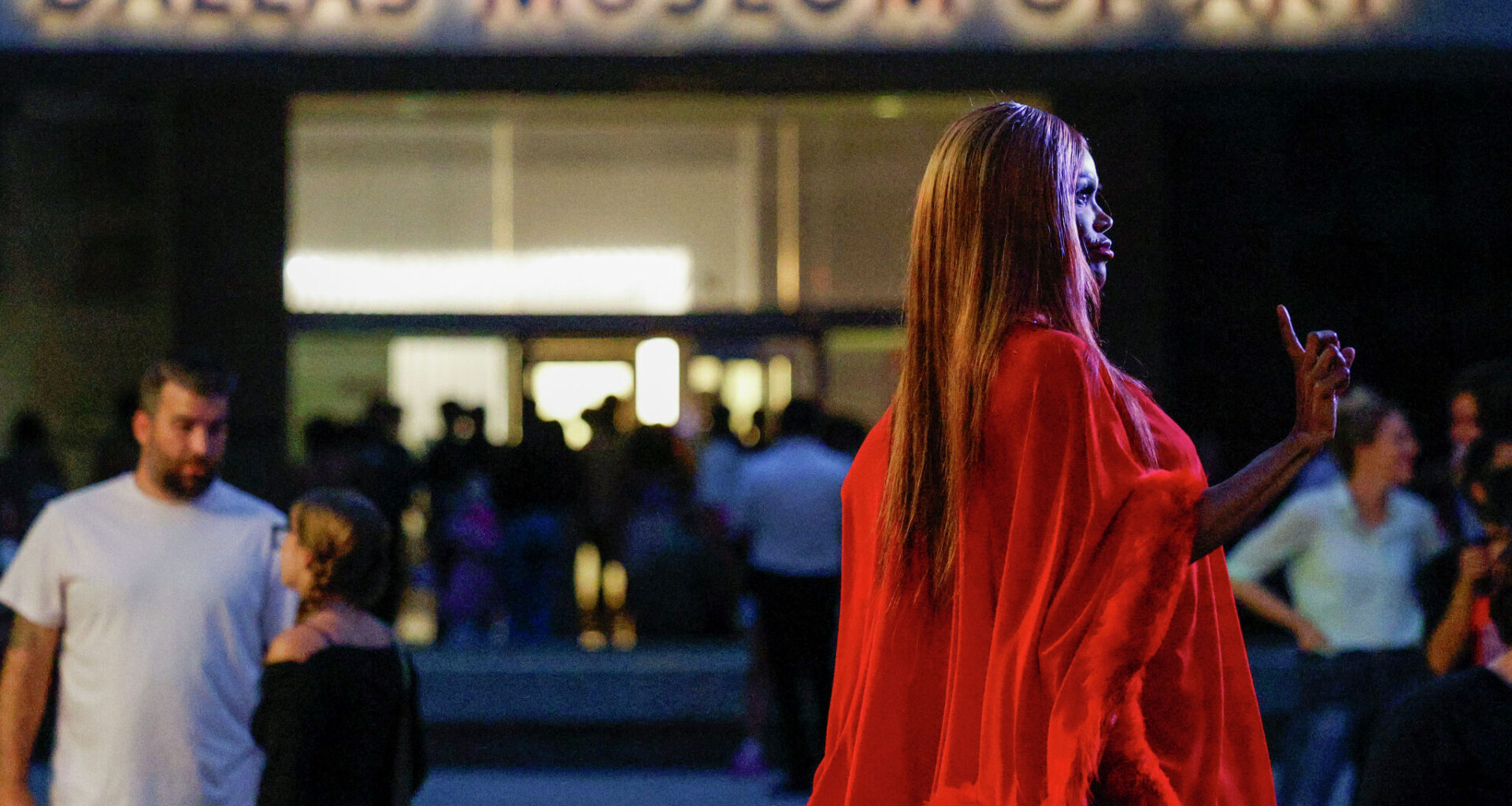
City records show the City Council approved more than $6 million for groups like the Dallas Museum of Art, Perot Museum of Nature and Science, the Dallas Opera, the Shakespeare Festival of Dallas and the Dallas Holocaust and Human Rights Museum through the cultural organizations program in November 2023. It’s unclear from the audit which of these programs were expected to draw tourists and which weren’t.
The audit recommends the city create clear rules for approving spending, set standard recordkeeping, do better checks, require receipts for every expense and compare budgets to actual spending to explain big differences.
City Manager Kimberly Bizor Tolbert said in a statement Monday to Interim City Auditor Mamatha Sparks that while the office has worked to ensure hotel occupancy tax-supported activities meet eligibility requirements, the audit highlights ways to improve the system.
“While our established processes have helped ensure effective oversight,” Tolbert wrote, “we recognize the value of this opportunity to further strengthen and formalize them.”