
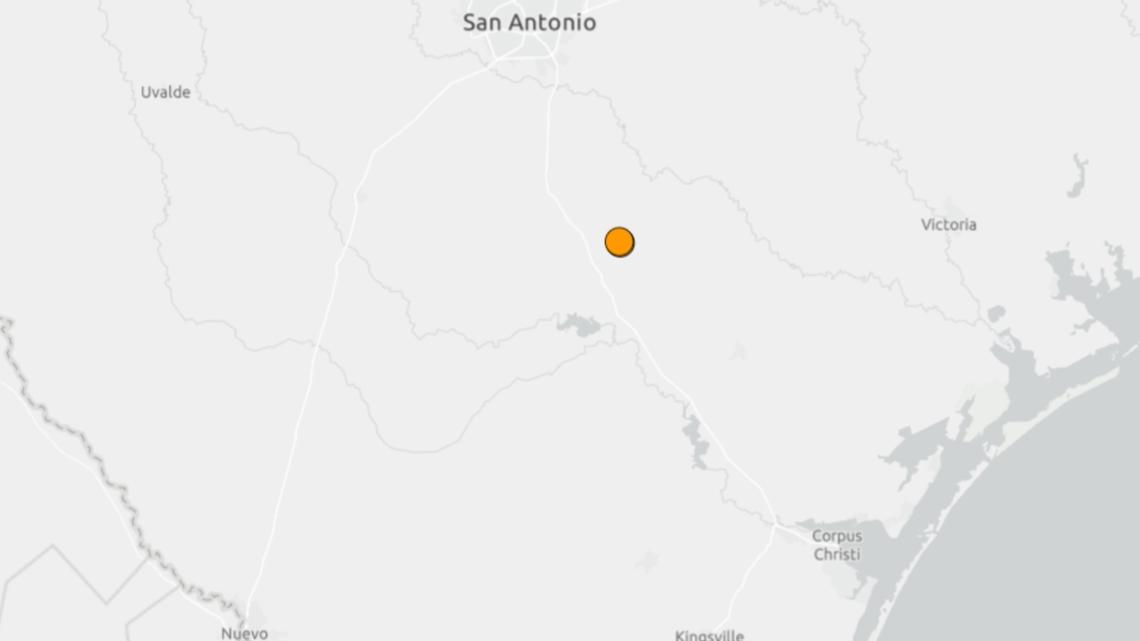
About 40 earthquakes have been recorded near the Coastal Bend since April, ranging from magnitude 1.2 to 3.5. An expert tells 3NEWS why quakes have increased.
CORPUS CHRISTI, Texas — A cluster of small earthquakes shook the Coastal Bend on Wednesday, with most activity centered northwest of Corpus Christi, according to a United States Geological Survey seismologist.
Since the beginning of April, about 40 earthquakes have been documented in that area, ranging from magnitude 1.2 to 3.5.
Three of those occurred Wednesday near Pawnee, including a magnitude 3.5 and 3.4 earthquake recorded minutes apart, along with a smaller 2.5 event, according to the United States Geological Survey.
Justin Rubinstein, a research geophysicist and project leader for the USGS Induced Seismicity Project, said most have occurred within the past few days, including three magnitude 3 earthquakes — one on April 6 and two on April 8.
Only a handful of those earthquakes would likely be felt by residents, but a magnitude 3 can produce a noticeable shake.
“It’ll give you a shake, startle you, but it’s not going to cause significant damage,” Rubinstein said.
The activity is part of a broader trend in South Texas, where earthquake frequency has increased over the past decade.
“These earthquakes are located within the Eagle Ford Shale, a broad area stretching from Mexico to between Houston and Austin,” he said. “Over the past 10 to 15 years, there has been a pretty big increase in seismicity in this area.”
The Eagle Ford Shale is a large underground rock formation in South Texas rich in oil and natural gas. It stretches from the Mexican border through areas south of San Antonio and toward East Texas.
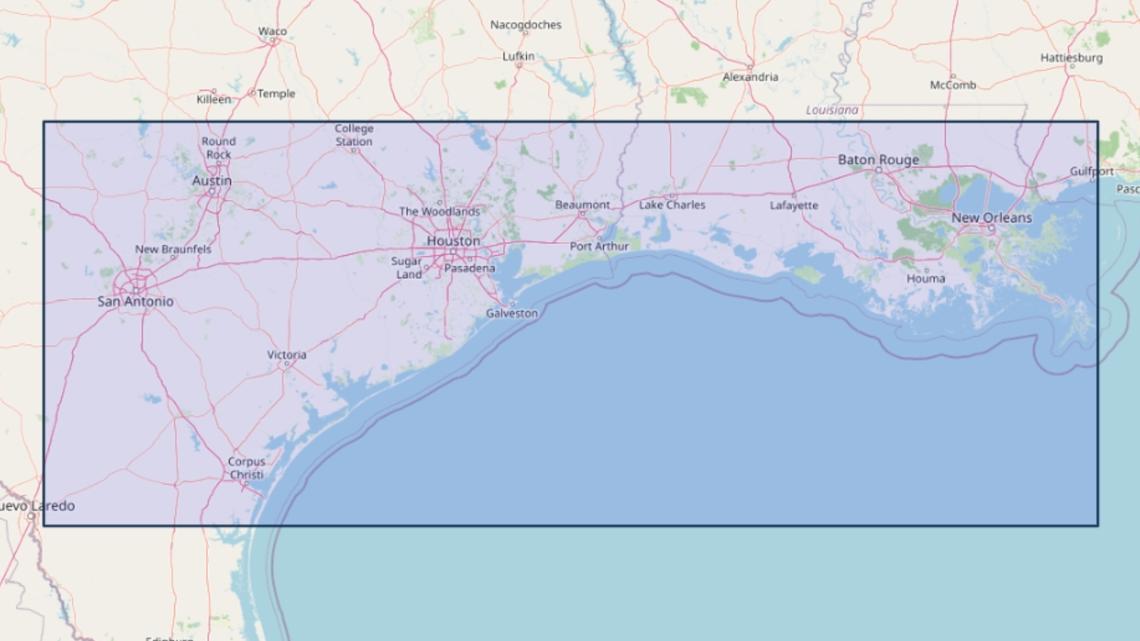
It has been heavily developed since the late 2000s using hydraulic fracturing and horizontal drilling. That activity produces oil — along with large amounts of saltwater and wastewater that are often injected back underground.
The rise in earthquakes began to accelerate around 2017, according to Rubinstein.
“Speaking in a broader sense, the earthquakes in the past 15 years — we believe most of these are induced, caused by humans, in particular processes related to oil and gas operations in the area,” he said.
While no single earthquake can be definitively tied to a specific operation, Rubinstein said the increase in earthquakes is largely tied to oil and gas activity.
“When you pull out oil, you get saltwater trapped in the same formation, and then they inject that back underground,” he said. “Most of these earthquakes are going to be induced.”
Despite the increase in frequency, earthquakes in the Eagle Ford have remained relatively small. The largest recorded in the region was a magnitude 4.8 in 2011.
“We’re really not seeing earthquakes with the potential to cause very much damage,” he said.
Rubinstein said earthquake activity in the Eagle Ford remains relatively low compared to other parts of Texas, particularly the Permian Basin.
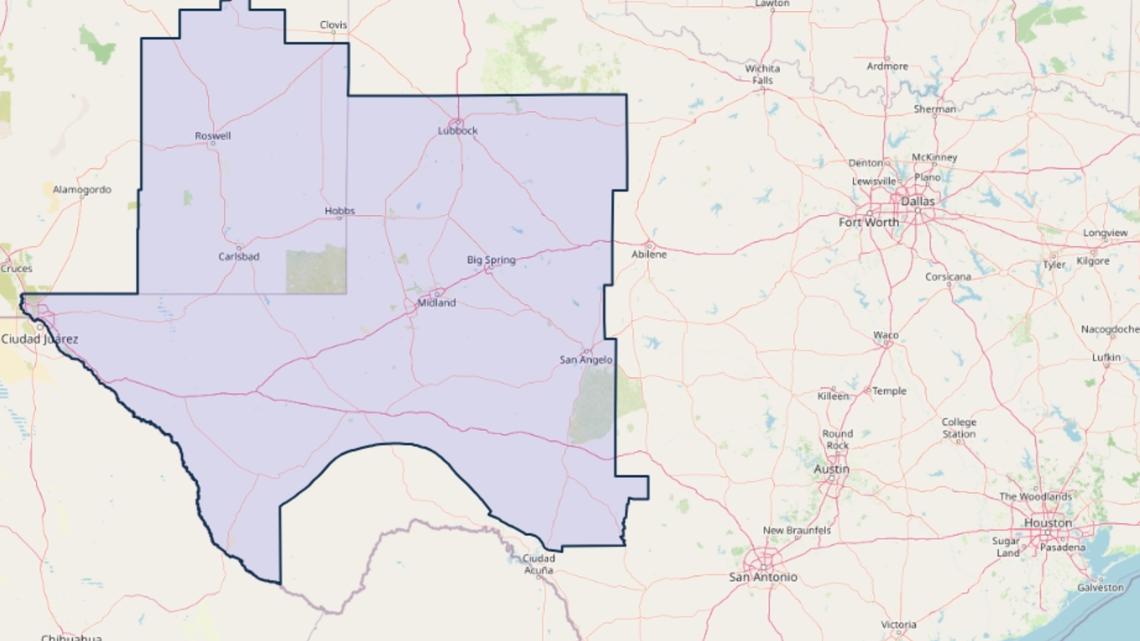
The Permian Basin, located in West Texas and southeastern New Mexico, has seen a much higher volume of earthquakes in recent years tied to oil and gas production. Rubinstein said some years have recorded hundreds of magnitude 3 earthquakes, along with several magnitude 5 events since 2020.
Rubinstein pointed to Oklahoma as an example of how earthquake activity tied to oil and gas operations can be reduced.
Between 2011 and 2016, Oklahoma recorded extremely high earthquake rates, including nearly 900 magnitude 3 earthquakes in a single year, most linked to saltwater disposal.
That rate began to drop at the end of 2015 after regulators required operators to reduce how much wastewater they injected and limited how deep they could drill, according to Rubinstein.
“We think it was a combination of both politics and regulations — as well as economics,” he said. “At the end of 2015 the earthquake rate in Oklahoma dropped. Oil production dropped, and around the same time the state put in a regulation that all saltwater disposal wells had to reduce their injection rate and they couldn’t inject as deep. Deeper injection wells were closer to faults that could cause quakes. Pulling wells up made it harder for water to get into the faults.”
Rubinstein said similar changes to oil and gas operations could help reduce earthquake activity.
“Hydrolic fracturing is a different process — a well is fracked for generally no more than a few days,” he said. “Quakes related to fracking are really only going to last for those few days or a few days afterwards. They’re more difficult to mitigate because you have to react very quickly. If you change your operations, you can reduce your earthquake rate.