
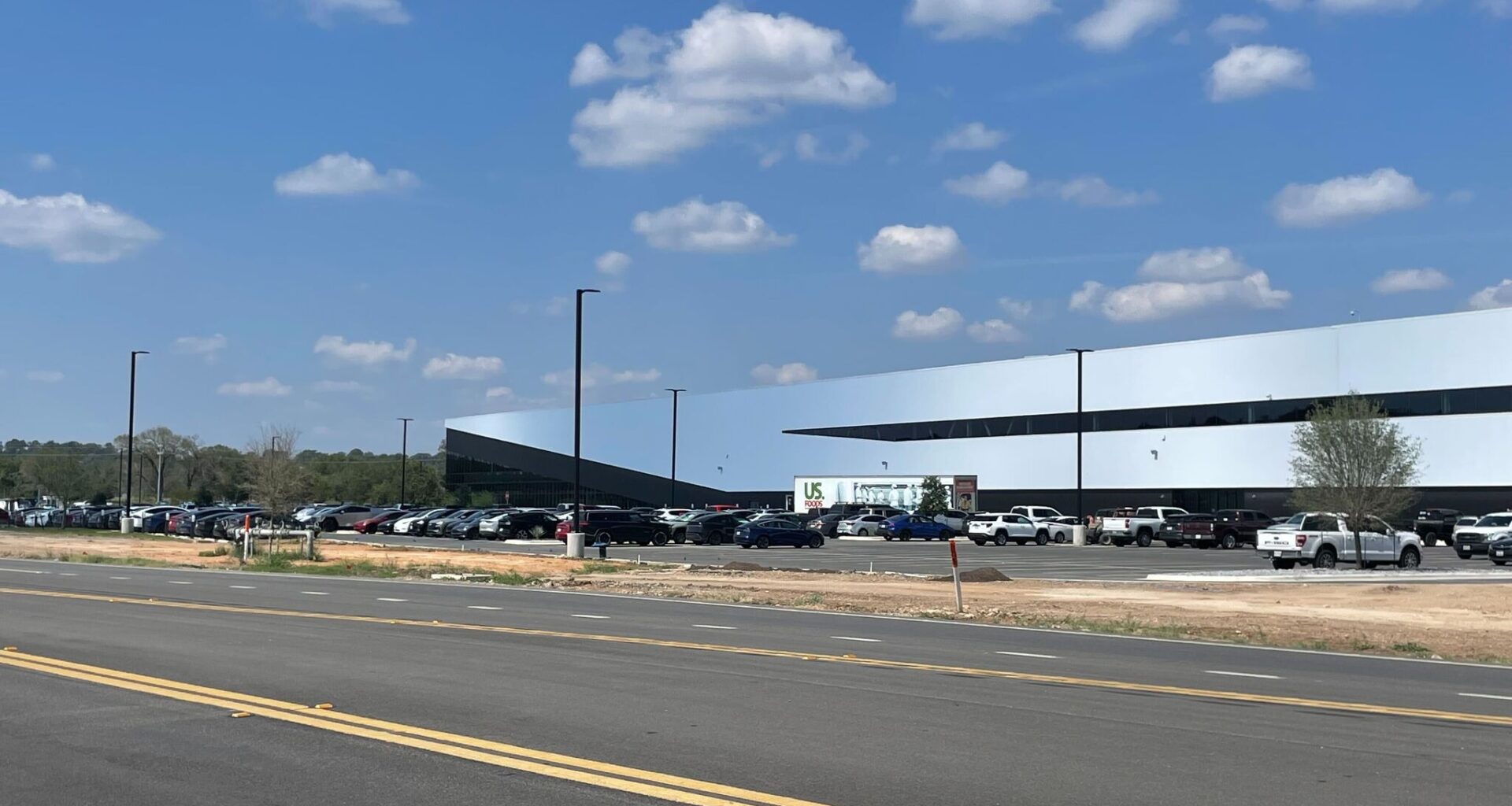
At a Travis County Commissioners Court meeting on Tuesday, April 7, commissioners decided to approve 91 percent of the rebates the county was supposed to provide the Colorado River Project LLC, which is a subsidiary of Tesla. While some residents voiced concerns about Tesla not fulfilling all its promises for the community, the Travis County Commissioners Court ultimately voted to retain 9 percent of Tesla’s rebate funds due to incomplete records provided by the company.
This comes as Musk seeks to build a $20 billion “Terafab” chip plant to power his companies near Tesla’s Gigafactory in Del Valle, just east of Austin. Tesla’s loss of county incentive funds sparked conversations on social media over how Musk might react to not receiving the full incentives. X user @thequeenbeetle wrote, “Billionaire’s Tantrum incoming…” alongside a screenshot of the ABJ article.
Other X users like @data_atx questioned why Tesla did not receive the incentives after outperforming its tax incentive goals.
During public comments at Tuesday’s meeting, other Travis County residents, including a Tesla employee and Travis County’s director of economic development and strategic investments, highlighted the company’s economic achievements. This included Tesla’s job creation, investments and partnerships with local schools like Del Valle High School and Austin Community College since 2020.
In the initial agreement, Tesla was required to invest $177.9 million on the Gigafactory site, but its actual investment was over $5.8 billion, ABJ reports. Tesla was required to create 3,500 new direct jobs by the end of 2022, yet the company more than tripled that number, creating 12,277 jobs by the end of that year, with the average salary for those jobs being roughly $40 per hour, compared to its requirement of at least $15 an hour.
The EV maker also reportedly invested $2.5 million in community infrastructure and made over $640,000 in donations to community groups from 2020 to 2022. When discussing future incentives, Travis County Judge Andy Brown said Tesla provided a “majority” of the documentation, but the county needs more details on topics like green building program requirements, construction site safety requirements, minimum hourly wage information and information on contractors for janitorial and food services.
“Those were, again, sections of the agreement where (Tesla) gave us significant but incomplete documentation in those four areas,” Brown said during the meeting.
While Travis County Commissioner Jeff Travillion said the investments made by Tesla were “critically important” for southeast Travis County, he added that he wants to see better communication between Tesla and the local community. Other Travis County commissioners, like Travis County Commissioner Brigid Shea and Ann Howard, agreed that accountability in the county’s compliance efforts is key for upholding Tesla’s incentive agreement.