
For nearly a year, thousands of treasure hunters have been scouring Texas in search of a small, wax-covered box stamped with an X. Inside is a three-inch nickel medallion that entitles the finder to about $70,000 in gold and cash. On the evening of April 8, one of those searchers found it. But they will not be able to claim the prize.
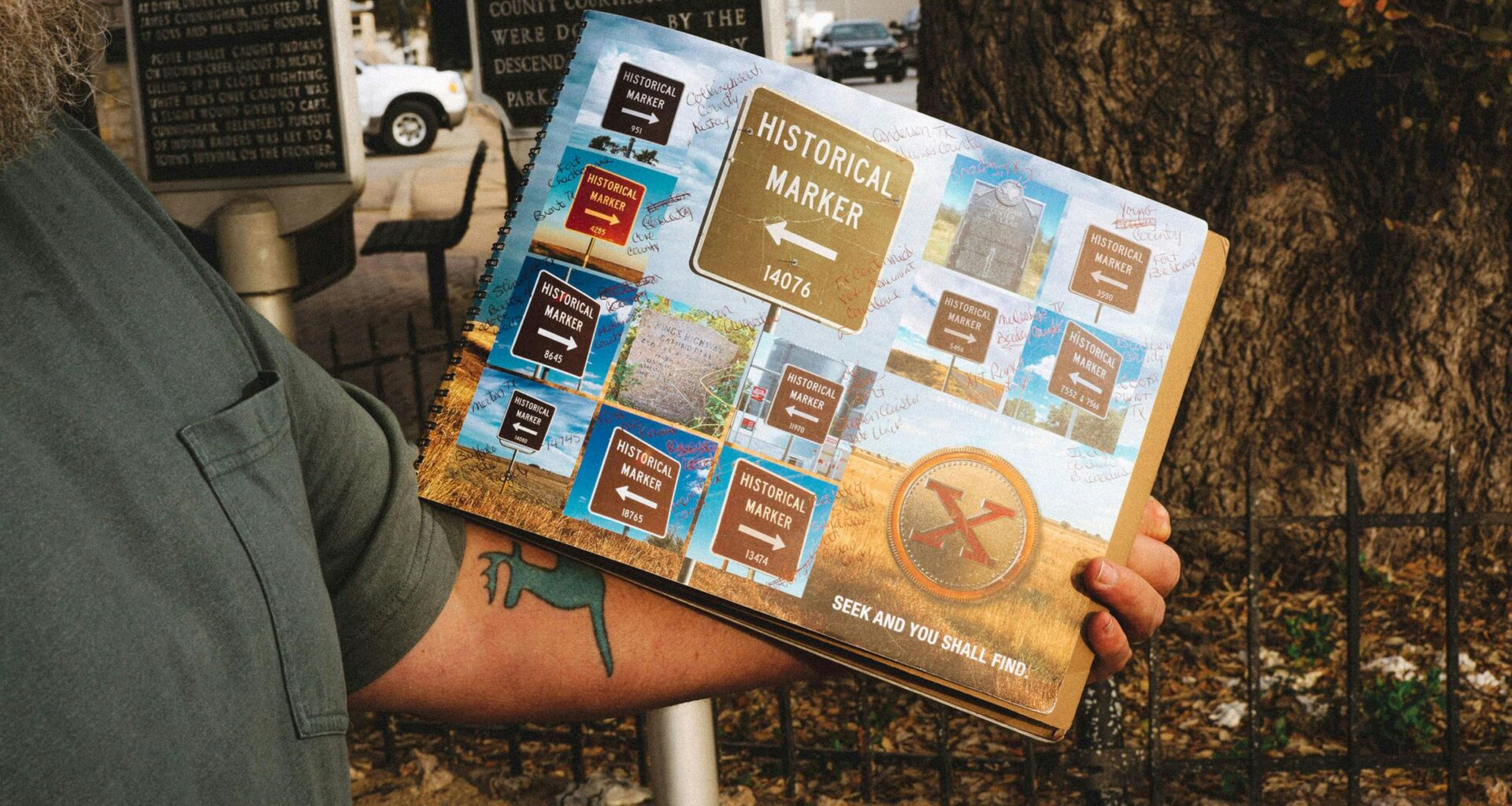
Fort Worth accountant KC Wright and his 94-year-old mother, Liz, launched the contest last June by publishing a mysterious coffee-table book with clues to the box’s location. On Wednesday, KC learned that the medallion had been moved, thanks to an electronic tracking device he had placed in the box. Shortly afterward, he received a DM on Facebook Messenger from a family who claimed to have discovered the hiding place. They sent him a photo of the medallion as proof.
At first, Wright was elated. He had hoped that the treasure would be claimed in time for Liz, who helped design the book’s puzzles, to meet the winner. Wright quickly verified that the team had purchased a SeekTexas book and registered it on the official website last August. They did not seem to have stumbled upon the treasure by chance. But during a series of phone calls with members of the group, he started growing suspicious.
The treasure hunters were unable, or unwilling, to explain how they located the box. They didn’t want their names revealed to the public. And they hadn’t solved the final puzzle engraved on the back of the medallion, which Wright told me should be simple for anyone with the book. According to the rules of the contest, the winner must track down the medallion using “their intellect and skills.”
Wright came to believe that this group had not solved the puzzles in the book. So how did they find the box? He suspected it had something to do with an exclusive clue he provided to Texas Monthly for a recent feature story about the treasure hunt. Wright gave the magazine an iPhone photograph he had taken of the hiding spot: a close-up shot of a small limestone crevice.
The story, accompanied by the photograph, was published online on March 31 and in the magazine’s April issue. Was it a coincidence that the medallion was discovered less than two weeks later? Before sending us the photo, Wright had scrubbed its embedded metadata, which might have revealed the location. He wondered if the team had run the photo through an AI tool like ChatGPT or Claude. The contest rules explicitly ban the use of artificial intelligence. “They became somewhat sheepish when I reminded them of no AI,” he told me.
At first, Wright decided to give the family the benefit of the doubt. The rules state that participants have thirty days to contact him with the correct solution after finding the medallion. Late Wednesday night, he informed the team that if they could explain how they solved the puzzle by May 8, they could claim the prize. Wright then posted a note on the SeekTexas Facebook page revealing that “the Medallion was moved” but that “the Treasure has not been claimed.” He announced that the “30-Day period has begun for anyone with the Medallion to claim the Treasure.”
But on Thursday, after discussing the matter with the lawyer who had helped him draft the contest rules, Wright appears to have had a change of heart. Around 12:30 p.m. he informed the family team that they would not win the money and that the treasure hunt would continue. “They were not happy about it,” he said. He informed them that they could continue to participate in the contest but would not be able to claim the prize unless they correctly solved the book’s puzzles. (Through Wright, the family members declined an interview request from Texas Monthly.)
In the coming days, Wright intends to place a replica medallion in the same location and resume the treasure hunt. “We’re back to square one,” he said.
Read Next