
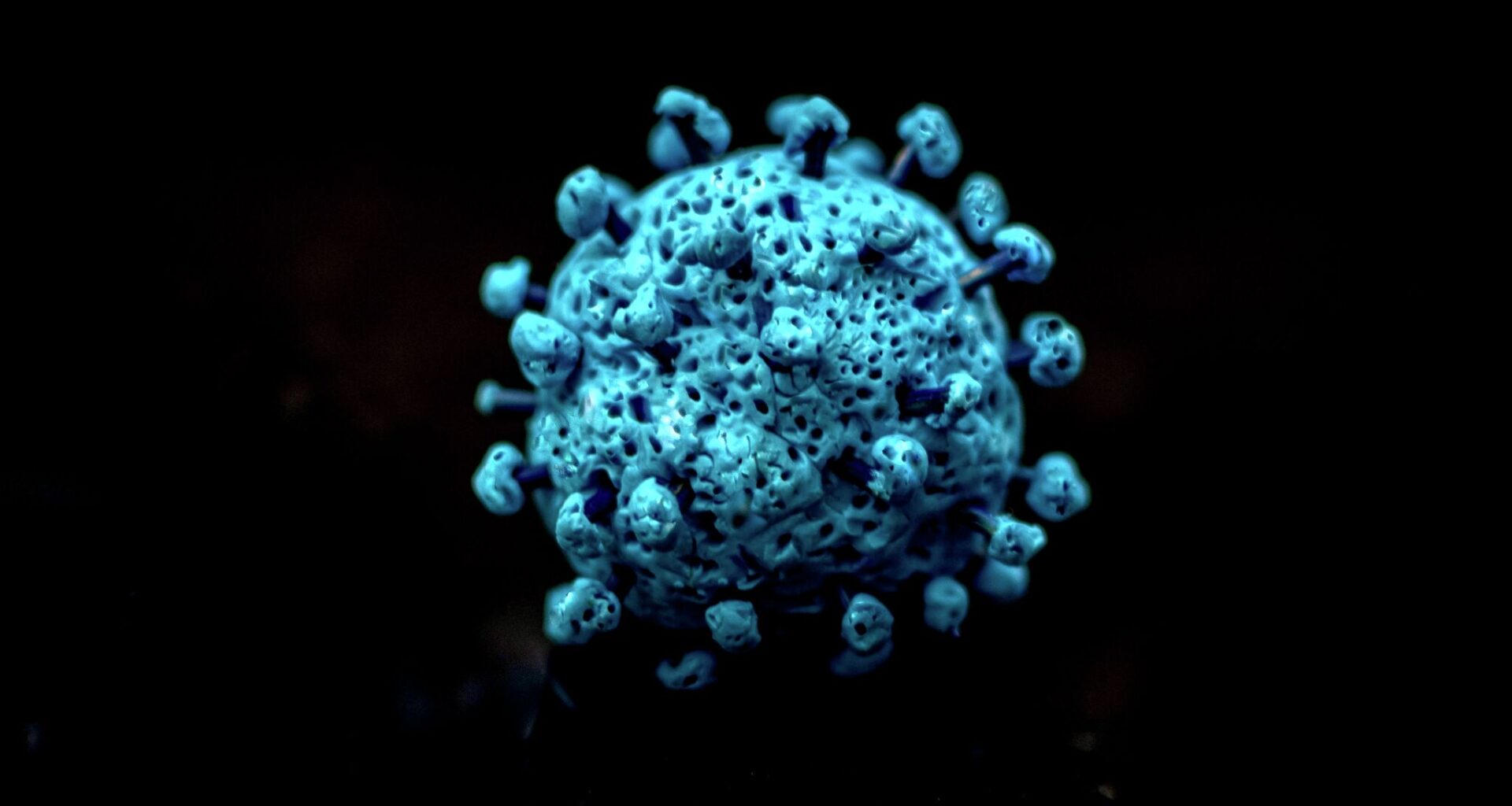
Health officials in Texas say they are monitoring the newly emerging COVID-19 variant nicknamed “Cicada.”
sakchai vongsasiripat/Getty Images
An emerging COVID-19 variant nicknamed “Cicada” is drawing attention from health officials across the country, as it’s been detected in about 25 states, including Texas, through wastewater surveillance.

In Texas, the Centers for Disease Control and Prevention notified the state of the detection of the “Cicada” variant in Austin in November 2025, the Texas Department of State Health Services (DSHS) told MySA. About 8% of wastewater samples sequenced in Texas between August and mid-March contained the variant, according to DSHS. However, the presence of variants has been decreasing since its peak in November.
Article continues below this ad
What is the “Cicada” variant?
While it’s making headlines thanks to its “Cicada” name, health experts say there’s no indication it is causing more severe illness than recent strains or increasing COVID-19 cases. However, researchers are monitoring it because it contains roughly 70 mutations in its spike protein, the part of the virus scientists monitor for changes that could affect how it spreads, according to Jason Bowling, an infectious disease specialist with UT Health San Antonio and University Health.
“One of the reasons it’s kind of caught attention for scientists, and they’ve kind of raised an alert about it, is that it is significantly different from the predominant strains that have been circulating,” Bowling said. “So, it’s pretty significantly different. This strain was initially detected way back at the end of November in 2024 in South Africa, where they have a pretty robust surveillance system, but it kind of wasn’t making a lot of waves, and now we’re starting to see it.”
Article continues below this ad
When a variant carries that many mutations, researchers watch closely to see whether it could potentially evade immunity from previous infections or vaccinations, Bowling said. He said the concern is that it can more easily evade antibodies from prior infection or vaccination. Still, experts say the variant has not become the dominant strain, and there’s no evidence yet that it spreads faster or causes more severe illness.
Why is it called the “Cicada” variant?
The nickname comes from the insect’s unusual life cycle. Cicadas spend years underground before emerging all at once — a comparison researchers have used to describe how the variant appeared to stay largely unnoticed before resurfacing in surveillance data, according to Bowling.
“They named it the cicada variant because it was detected way back in 2024, around Thanksgiving time, late November, in South Africa. And it really wasn’t heard of again … but now it’s been detected more frequently, so they’re kind of making this comparison to a cicada.”
Article continues below this ad
How is the ‘Cicada’ variant detected?
The “Cicada” variant is being detected through wastewater surveillance. It has become a public health tool that analyzes sewage samples to detect viruses circulating in communities.
The method became widely used during the pandemic because it can identify viral activity before people begin showing up in clinics or hospitals, Bowling said.
Wastewater monitoring allows researchers to detect the virus even among people with mild or no symptoms who never get tested, providing an early indicator of rising infections, Bowling said.
Article continues below this ad
Are COVID-19 cases rising in San Antonio?
For now, Bowling said COVID-19 activity remains low in Texas and San Antonio, and health officials are not seeing a spike tied to the new variant.
“The good news is we’re not seeing more cases of COVID-19 right now,” he said.
Since it’s been circulating since November 2024, there hasn’t been any evidence that there’s a more severe disease, more hospitalizations or different symptoms, Bowling said. Most symptoms are similar to COVID-19, such as fever or chills, cough, shortness of breath or difficulty breathing, sore throat and muscle or body aches.
Article continues below this ad
Existing COVID-19 vaccines are still expected to provide some protection, though they may not work as well against the variant as they do against strains included in current vaccine formulas.
Should Texans be worried about the ‘Cicada’ variant?
The “Cicada” variant is just being monitored at this time, Bowling said. It’s also not the predominant strain circulating, so it’s not being treated as an immediate concern. However, COVID-19 cases have tended to increase in Texas during late summer, according to Bowling.
Article continues below this ad
Bowling recommends continuing to take preventive measures to protect yourself, such as getting vaccinated, staying home when you are sick, and practicing frequent hand hygiene.
“People should continue to take precautions to limit their exposure to and likelihood of spreading COVID and all respiratory illnesses by washing their hands frequently with soap and water, covering coughs and sneezes and staying home when sick,” DSHS added.