
San Antonio, Texas, businesswoman April Ancira Thompson explains why she thinks nonprofit organizations should skip ordering Fiesta medals in April 2026.
Amado Navarro/Photo courtesy of Amado Navarro
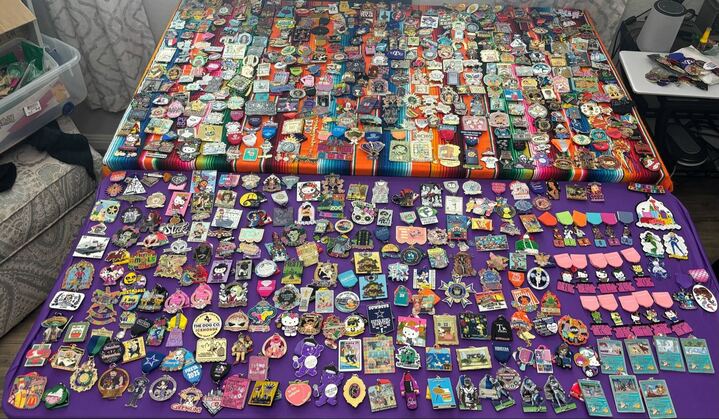
Many consider medals to be a beloved part of San Antonio’s Fiesta celebration. What began as the event court passing out half-dollar-sized coins to children in 1961 soon evolved into a city-wide activity. Today, businesses, organizations, and elected officials create and sell their own designs, but should they?

In a trending Facebook post published on Wednesday, April 8, April Ancira Thompson, vice president of the local automotive company and daughter of founding tycoon Ernesto Ancira, voiced an “unpopular” take on the tradition. Her statement garnered over 100 comments from supporters and avid medal collectors alike.
Article continues below this ad
Ancira Thompson began by expressing her love for Fiesta and what it does for the community, adding that there have been “incredibly creative” styles made in years past. However, she also claims that nonprofit entities should get serious about ordering fewer of them or even consider skipping the practice altogether.
“What used to feel special—royalty handing out medals—now feels oversupplied,” Thompson said in the post. “Many nonprofits don’t sell through their inventory. That means thousands of dollars tied up in medals sitting in storage instead of funding the mission.”
A 2018 article from the San Antonio Report cites that Monarchy Trophy Studio, a facility that produces the colorful tokens locally, lets customers place orders for anywhere from 10 to 40,000 at a time. The money paying for those mass purchases, Ancira Thompson says, should do more.
“If I give $10, I’d rather it support the cause—not a medal that costs $5–$10 to make and another $7+ to ship… especially if it won’t drive future engagement,” she wrote. “Let’s be honest… there are boxes (and probably landfills) full of unsold medals from years past.”
Article continues below this ad
She continued, “I know some people love them—but some of us don’t. And that matters.”
The local businesswoman concluded that there’s not only a financial aspect to opting out. Because not everyone chooses to wear them, it’s not a necessity, she argues. Folks debated the impact of the artifacts in the post comment section. Among them was SA Flavor, one of the area’s most well-known Fiesta shops and medal purveyors.
“Very good take and one of the things we do is try to coach folks on the best practices if they choose to go with us,” the company wrote in a post. “Medals also serve as a vehicle for marketing/education—getting exposure on TV, newspaper, etc, that most couldn’t get with the typical medal expense. Finally it is a way for volunteers/supporters to show their pride in the place they support—after all everyone needs a medal!”
Others, like SA Youth CEO Maria Benavidez, agreed with the hot take, saying that the organization had one for its 40th year of community impact, but it’s not an expense they can make annually. Benavidez says it’s because the return on investment (ROI) isn’t the greatest.
Article continues below this ad
Some people disagreed, citing social media groups where people collect and sell them year-round. Another user, Pica Ebriacus, claims it helped the organization they’re in raise enough funds for parade insurance and for materials valuable to its mission.
“If you buy a specific amount with a plan to sell every last one and how you plan to sell them you can do well,” Ancira Thompson replied. “However, not everyone does that. Also, some non-profits just give them away and at the same time look for ways to cut cost but fear cutting the medal. If a non-profit is going to get into the medal arena it needs to be done strategically.”