
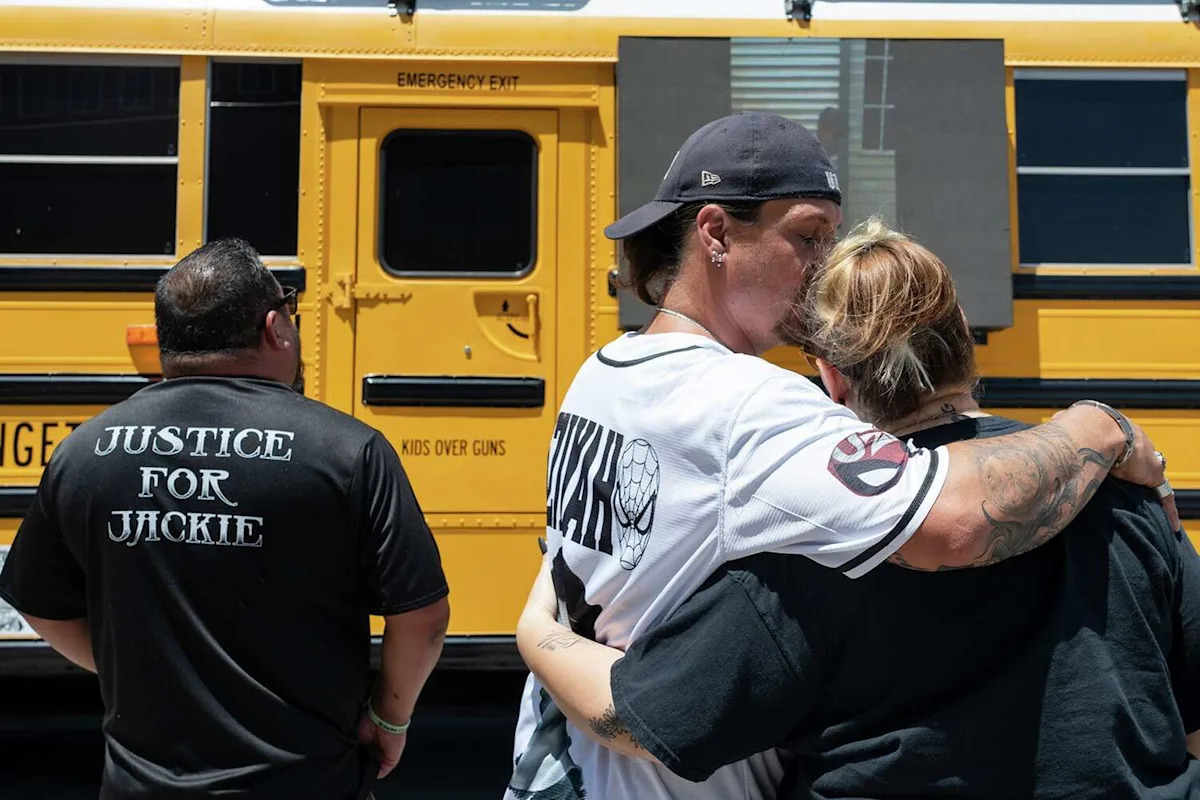
Every year as we mark the anniversary of the shooting at Robb Elementary in Uvalde, I think about the 19 children and two teachers who lost their lives on May 24, 2022. I think about the parents who woke up that morning expecting a normal school day and instead entered a reality that no family should ever endure.
In response, Texas leaders took meaningful steps. Policy moved. Funding followed. Requirements tightened. The intent was clear: never again.
But in working on K–12 safety and speaking with thousands of school districts across Texas and the nation, I’ve learned a hard truth: Passing a law is not the same as operationalizing safety. Funding a grant is not the same as executing a plan. And compliance is not the same as readiness.
Requirements aren’t always understood
Texas passed Senate Bill 838 — Alyssa’s Law — on May 5, 2023. At its core, it requires schools to provide classrooms with silent panic alert capability.
But here’s what I often hear in districts: We have an app — that counts, right? We bought something small, so we’re compliant. We thought the vendor handled that. We didn’t realize the rules evolved. Or we didn’t know we still had funding.
The Texas Education Agency’s 2024–25 report shows 13.47% of campuses lacked Silent Panic Alert Technology (SPAT) systems meeting key requirements, and 10.13% of districts did not have a panic alert system meeting all required components such as staff activation, 911 integration and location identification.
Those numbers matter. But there’s another problem that doesn’t show up in compliance data: “Meeting the letter of the law, but not the spirit of readiness.”
Sign up for The Austin Angle opinion newsletter
The most influential and thought-provoking editorials, commentaries and opinions from the Texas capital. Click here to sign up.
I’ve spoken to districts that technically meet the requirement but are not aligned with best practice. A panic solution available to only a few staff members. A system entirely dependent on personal cell phones — even as phone restrictions increase in schools. Technology that works in a board demo but hasn’t been tested under stress.
Clock is ticking on state funding
Texas has allocated historic funding for school safety. The Safety and Facilities Enhancement (SAFE) grant totals approximately $1.1 billion across Cycle 1 and Cycle 2. TEA extended the SAFE grant period of performance to April 30, 2027.
Substantial balances remain statewide. Districts should spend these dollars with urgency — before they expire and the window closes. Unspent safety funds don’t become “savings.” They become missed opportunities for readiness. If you are sitting on SAFE Cycle 1 or Cycle 2 money, treat it like a countdown: plan, procure, deploy, and document now — because once the end date hits, those dollars are gone.
The School Safety Standards Formula Grant (SSSFG) end-of-performance deadline is April 30, 2026, with final reporting due July 29, 2026.
Many districts still have SSSFG funds available — and some don’t even realize it. This one is especially urgent. Unused SSSFG dollars will simply disappear — along with the safety upgrades they were meant to fund.
Five tests for every school district
Here is a practical challenge for Texas leaders:
Classroom coverage: Can every instructional space initiate an alert immediately?
Worst day: Does the system work under stress, with a substitute, in an older building, during a network disruption?
Location: When an alert activates, do responders know exactly where to go?
Adoption: Will staff actually use it in real life?
Funding accountability: Have you fully mapped and deployed SAFE and SSSFG funds before the deadlines?
Educators and administrators care deeply, and they want schools that feel calm, safe and focused on learning. But intention does not equal protection.
As the anniversary of Uvalde approaches, Texas has an opportunity to lead. We have the laws. We have the funding. We have the lessons. Now we need disciplined execution. When it comes to protecting children, “minimum compliance” is not enough. Time equals life.
Heather Connelly, is a licensed professional counselor associate, school safety expert, former teacher, Texas mom and national director of K–12 at 911Cellular, a leading safety technology company that works with schools across Texas.
Submit a letter to the editor
We want to hear from you. Click here to get started.