
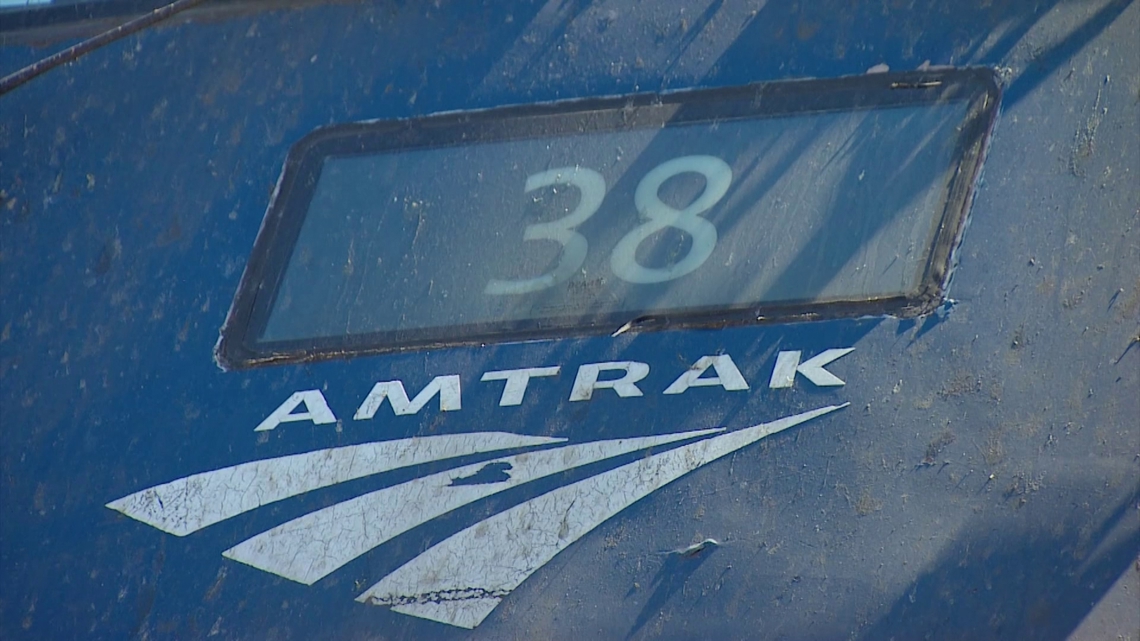
The only Amtrak route connecting Oklahoma City and Fort Worth may halt service after both states moved to cut funding, leaving riders with few alternatives.
FORT WORTH, Texas — For Ted Streck, the Heartland Flyer means family. For Elaine Roselle, it means access to medical care. For thousands of others, it means a $36 seat between Oklahoma City and Fort Worth — spacious, meal-equipped and, by some accounts, faster than flying.
But the Amtrak train that has long served as the only passenger rail link between the two cities is now at the center of a funding standoff between Texas and Oklahoma, and advocates warn the route could shut down before the end of the fiscal year.
Oklahoma state lawmakers announced they will not include funding for the Heartland Flyer in their state’s appropriations bill — a decision that follows the Texas Legislature’s failure to pass its own share of funding last year. The route is jointly subsidized by both states.
“The state of Texas is saying they don’t want to fund it, so I don’t think it should be on the state of Oklahoma to subsidize it and keep it alive,” said Trey Caldwell, Oklahoma House of Representatives, District 63.
When Texas funding for the Heartland Flyer did not make it into the state budget in 2025, the Dallas-Fort Worth transportation officials stepped up. Regional Transportation Council approved $3.5 million in emergency funds to keep the train running for a year.
The Texas Legislature does not reconvene until January 2027, meaning there is no clear path to renewed state funding before the emergency money runs dry.
Gary Lanman, a board member with the Rail Passengers Association, said the clock is running out.
“If things don’t turn around, I’m guessing they could shut down by the end of the fiscal year. We need all hands on deck now to try to stop this thing.” Lanman said.
Peter LeCody, president of Texas Rail Advocates, said the stakes extend well beyond train enthusiasts. He said losing, what he calls, a popular route, would push that traffic back onto Interstate 35.
“If the Heartland Flyer goes away, we’re putting 80,000 passengers back on Interstate 35,” said LeCody.
LeCody and other advocates are calling for expanded service, not cuts, arguing that significant ridership growth could help reduce the per-passenger subsidy and attract additional funding partners.
For riders, the service fills needs that driving or flying cannot easily meet. Roselle said the train gives her reliable access to medical facilities and family.
“I think it’s going to leave an enormous gap. It’s really going to put people at a disadvantage,” said Elaine Roselle, a passenger.
Lanman urged riders and supporters to contact their state legislators in Texas and Oklahoma before the funding window closes entirely.