
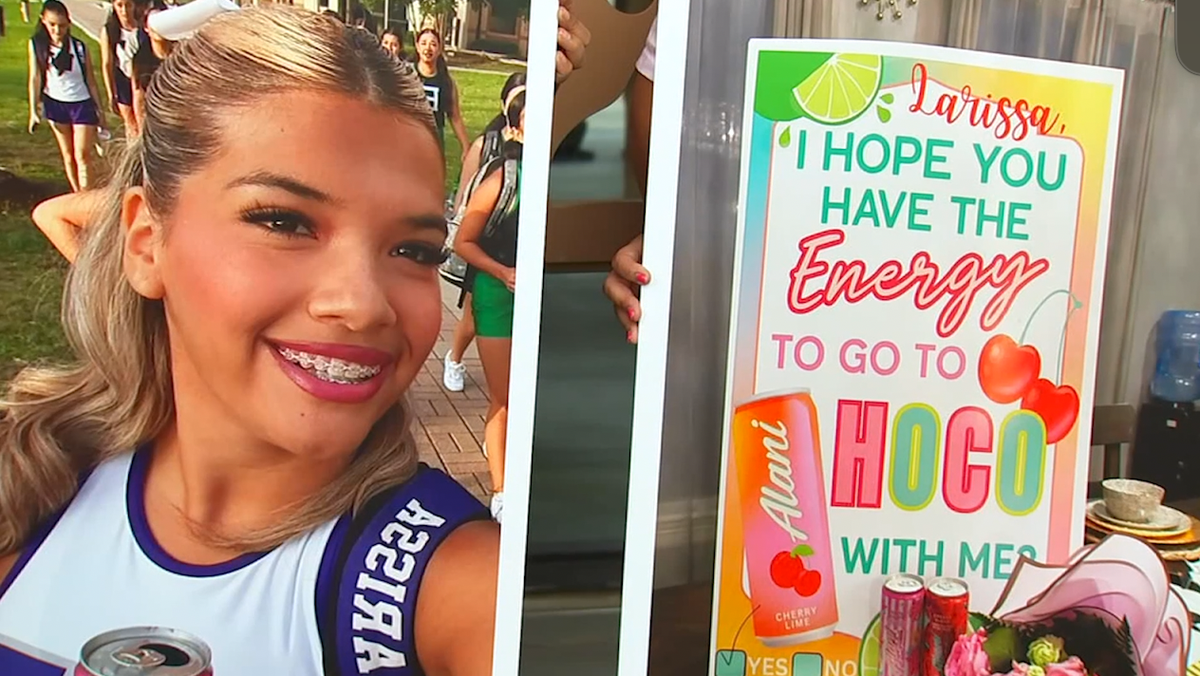
A lawsuit recently filed in Texas claims a popular energy drink led to the death of a 17-year-old cheerleader.According to attorneys for the teen’s family, a coroner’s report found that Larissa Rodriguez died in October from an enlarged heart caused by stress and “a large amount of caffeine” from Alani energy drinks.The wrongful death filing claims that Alani drinks contain twice the maximum daily amount of caffeine recommended for teens, along with undisclosed amounts of stimulants that can cause cardiac issues and death.”This is a heartbreaking and entirely preventable tragedy,” Benny Agosto Jr, one of the attorneys for the Rodriguez family, said during a news conference. “No family should have to bury their child because of a product that was aggressively marketed as safe while failing to adequately warn about its dangerous effects.”The company that produces Alani energy drinks, Glazer’s Beer and Beverage, has not responded to the lawsuit.Alani energy drinks typically contain 200 mg of caffeine per can, which is equal to about two cups of coffee. Cans of Alani drinks display this warning: Not recommended for children, people sensitive to caffeine, pregnant women or women who are nursing.Lena Laurenzo, another attorney on the legal team representing the Rodriguez family, pointed blame at the drinks’ popularity on social media.”This company, I believe, is fully aware they’ve weaponized it to target our youth,” Laurenzo said. “Quite frankly, it’s almost like they’re trying to find the next way, right? Who’s the next influencer who can use this to push our product?”The Rodriguez family said Larissa had a bright future and had been accepted into nearly 20 colleges and universities before her death.
A lawsuit recently filed in Texas claims a popular energy drink led to the death of a 17-year-old cheerleader.
According to attorneys for the teen’s family, a coroner’s report found that Larissa Rodriguez died in October from an enlarged heart caused by stress and “a large amount of caffeine” from Alani energy drinks.
The wrongful death filing claims that Alani drinks contain twice the maximum daily amount of caffeine recommended for teens, along with undisclosed amounts of stimulants that can cause cardiac issues and death.
“This is a heartbreaking and entirely preventable tragedy,” Benny Agosto Jr, one of the attorneys for the Rodriguez family, said during a news conference. “No family should have to bury their child because of a product that was aggressively marketed as safe while failing to adequately warn about its dangerous effects.”
The company that produces Alani energy drinks, Glazer’s Beer and Beverage, has not responded to the lawsuit.
Alani energy drinks typically contain 200 mg of caffeine per can, which is equal to about two cups of coffee.
Cans of Alani drinks display this warning: Not recommended for children, people sensitive to caffeine, pregnant women or women who are nursing.
Lena Laurenzo, another attorney on the legal team representing the Rodriguez family, pointed blame at the drinks’ popularity on social media.
“This company, I believe, is fully aware they’ve weaponized it to target our youth,” Laurenzo said. “Quite frankly, it’s almost like they’re trying to find the next way, right? Who’s the next influencer who can use this to push our product?”
The Rodriguez family said Larissa had a bright future and had been accepted into nearly 20 colleges and universities before her death.