
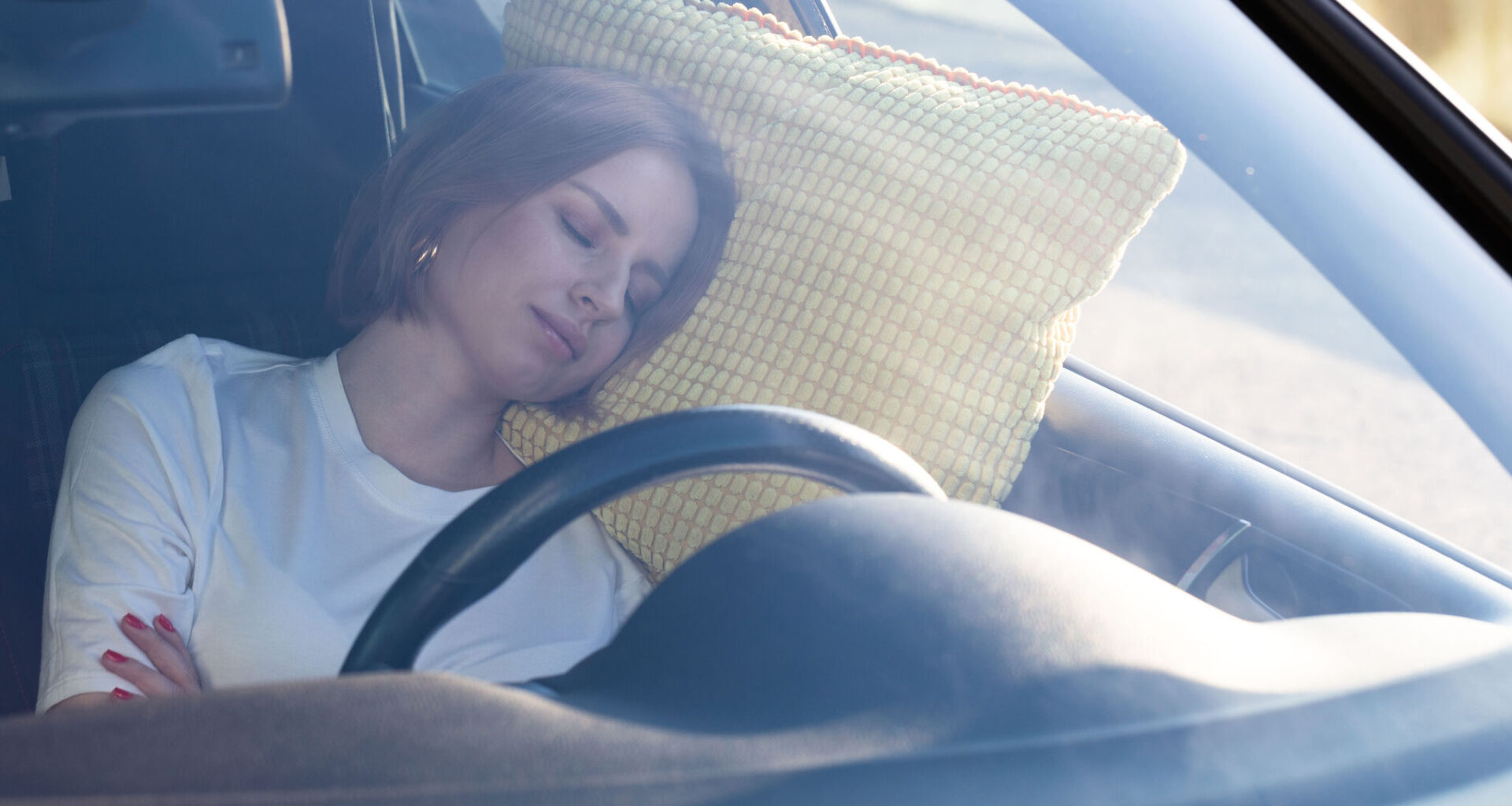
Have you ever tried to make a long-haul road trip without shelling out for a hotel room and find yourself needing to rest your eyes while passing through the vast expanse of Texas? Your dedication to the budget is commendable, but you might also want to be aware of some rules of the road when it comes to sleeping in your car in the Lone Star State.
In the long and short of it, yes. There is no statewide law that prohibits drivers from sleeping in their car. Though, local regulations can put a damper on any quick plans to just pull over and catch some Z’s. Many towns and cities have rules about lingering in residential areas or public spaces.
For commercial trucks, major cities often have idling restrictions for truckers looking to get some sleep preventing them from running their vehicle’s air conditioning or heating in neighborhoods, within a certain distance from public buildings or schools and so on, including San Antonio.
Local subdivisions can also create their own rules about vehicles parked or running, like homeowners’ associations or local police departments.
If you’re traveling along a Texas highway or interstate, it is entirely legal to park and get some sleep at public rest stops. These are designed for long-distance drivers who need a place to rest (drowsy driving can be as dangerous as driving under the influence), use the restroom and recuperate. However, you can run into trouble if you overstay your welcome.
Texas Transportation Code 545.411 says drivers “commit an offense” if they linger at a rest stop for 24 or more. Staying any longer, or erecting a tent or some sort of structure, can lead to an official forcing your removal, but it could also lead to fines or other pesky tickets.
Also, for anyone who wants to sleep off a buzz to avoid a drunk driving charge, you can absolutely still be arrested even if you’re not driving but our found in the driver’s seat.