
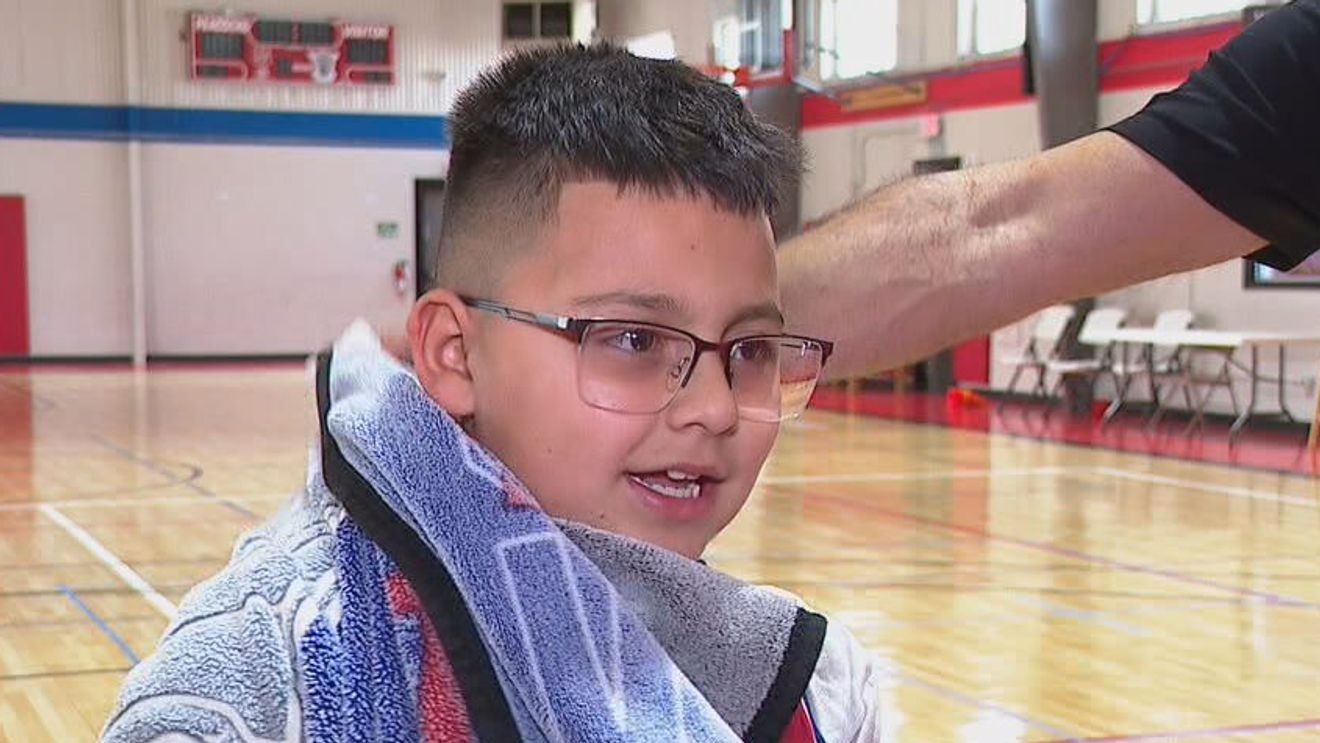
SAN ANTONIO – As school lets out in San Antonio, buses pull up just after 3 p.m. and children stream into the Salvation Army Red Youth Center for its after-school program — a place staff and volunteers say is designed to feel like home, no matter what a child’s day has been like.
“We get food and then we go sit down. And then we go to the art room and the computer room,” said Messiah Vann.
Patrick Mouton, area executive director for the San Antonio Red Youth Center, said the program is built around meeting kids where they are when they arrive.
“We don’t know what the kids have been through today. We don’t know what they’ve seen or heard. So we have to be respectful of that,” Mouton said.
Mouton said he understands the impact of after-school programs firsthand because he grew up in one.
“I saw real men pour into me when they didn’t have to. And they provided opportunities for me to be respectful. So I feel obligated to do the same,” he said.
Kids at the center described a mix of food, activities and time with friends as part of what keeps them coming back.
“I like to pay video games I like the snacks. I like the sports. I like the food. I like the milk,” said Bryton Ramiez.
For older students, the center is also a place to unwind after school.
“I like that I can like socialize and just hang out, listen to music. I don’t have to do chores at my house. I can be lazy,” said Chantel Casanova, an eighth-grader.
Andalucia Canne said the atmosphere is what stands out most.
“Everyone’s nice. The food is delicious, obviously. Just in general, I like being here. It’s a nice fun place to relax and enjoy being with my friends,” Canne said.
Mouton said many of the children who come through the doors are dealing with difficult circumstances outside the program.
“I’ve seen many kids come from troubled backgrounds. A lot of our kids come from shelters. We get an opportunity to give them a space that’s common to kids we believe. A safe place to have fun in an effective way,” he said.
The center’s impact extends to the adults who work there, too. Teresita Torres, a youth development professional, said she once spent time at the Salvation Army shelter and later found stability — and a job — through the organization. Her roles can include driving a bus or helping coach girls on Tuesdays.
“I think they’ve impacted my life a lot more than I even know,” Torres said. “They’ve helped me personally, but also being the helping hand to families, recommending other families to come here.”