
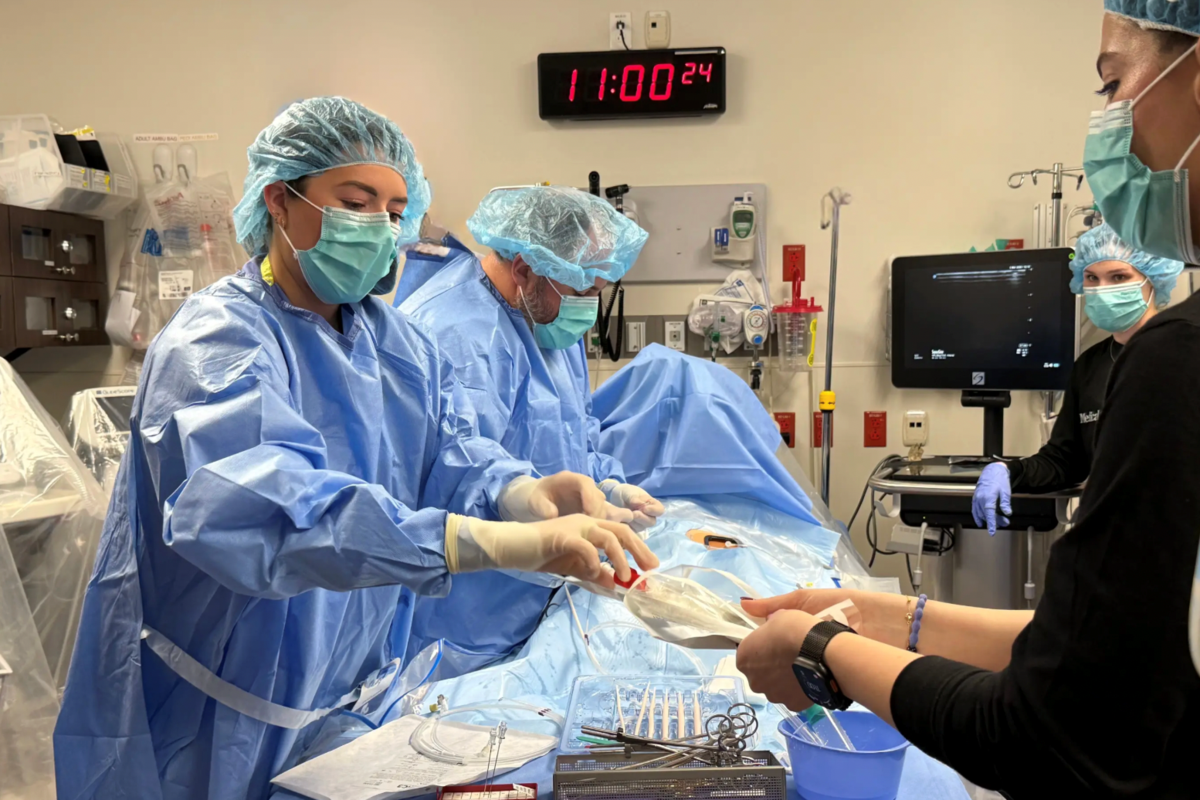
A major shift in emergency care is now underway in Frisco, where Medical City Frisco has become the first hospital in the city to deploy extracorporeal cardiopulmonary resuscitation (ECPR). The program, launched in partnership with Medical City Plano, brings one of the most advanced forms of life support closer to patients experiencing cardiac arrest.
ECPR is used when standard CPR is no longer enough to restart the heart, offering an additional layer of intervention during some of the most critical medical emergencies.
The Response When Minutes Matter
Starting in April, paramedics in the field will be able to activate ECPR teams at both Medical City Frisco and Medical City Plano while transporting eligible cardiac arrest patients.
That early notification is key. It allows specialized teams — including Medical City Plano’s extracorporeal membrane oxygenation (ECMO) program and Medical City Frisco’s emergency staff — to prepare in advance of arrival, cutting down the time needed to begin treatment once the patient reaches the hospital.
According to the American Heart Association, ECPR can improve survival rates and outcomes in select cases.
Bringing ECMO-Level Support Into Frisco
The program extends beyond hospital walls. Through mobile ECPR, the ECMO team from Medical City Plano can bring advanced cardiac support capabilities directly to Medical City Frisco, expanding access to patients who previously may not have had this option available in time.
The collaboration is being described as unique in scale. It is the only mobile ECPR program in North Texas and the only intra-system program of its kind in the country.
“When a person experiences cardiac arrest, whether at home, at work or in the community, every minute matters,” said Medical City Frisco CEO Ken Stevens, in an official statement. “Bringing ECPR to Frisco means our community now has access to some of the most advanced cardiac life support available. This investment in technology, combined with the expert, compassionate care of our frontline teams, reflects our commitment to system-wide excellence and innovation.”
How ECPR Works
At the center of the program is extracorporeal membrane oxygenation, or ECMO. The system temporarily takes over the function of the heart and lungs by circulating and oxygenating blood outside the body, giving physicians time to address the underlying cause of cardiac arrest.
That window of support can be critical, allowing clinicians to stabilize patients while protecting vital organs during treatment. Beyond cardiac arrest, ECMO therapy can also support patients experiencing cardiogenic shock, heart attacks or respiratory failure.
The treatment is available to patients ages 18 to 75 who meet specific clinical criteria, broadening access to advanced care across adult age groups.
As the program rolls out, hospital leaders say the goal is straightforward: bring life-saving intervention closer to the moments, and the communities, where it’s needed most.
Don’t miss anything Local. Sign up for our free newsletter.