
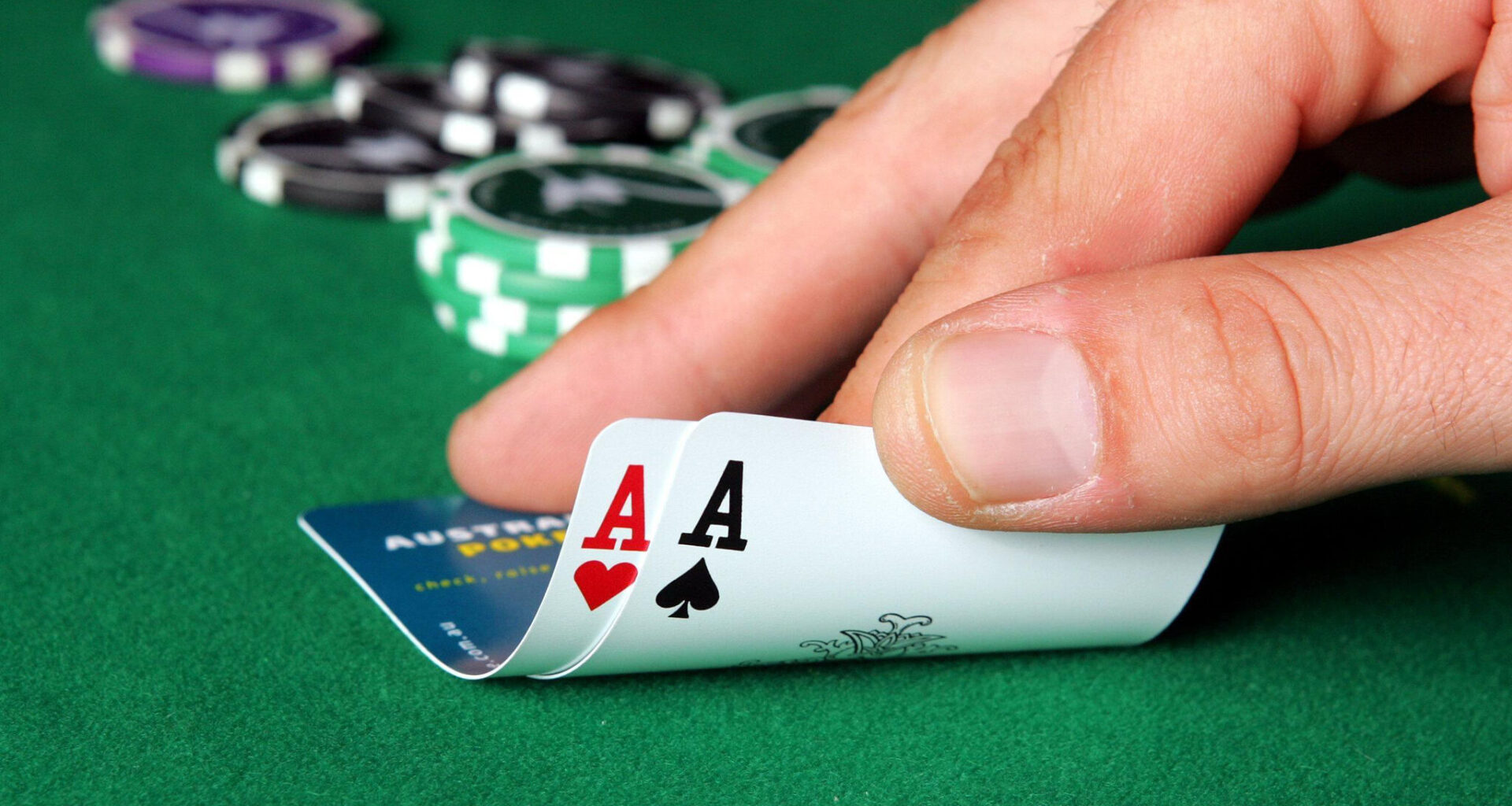
The Royal Card House LLC, which operates a private poker club at 7616 Culebra Road in San Antonio, filed for bankruptcy after the Texas Comptroller of Public Accounts froze the business’ bank account for failing to pay sales tax on memberships and “seat fees.”
Fairfax Media via Getty Images
San Antonio poker club Royal Card House attributes its bankruptcy to a state tax dispute that led to more than $400,000 in liabilities and a frozen bank account.

The business was told when it opened in 2018 that it did not have to collect sales tax on memberships and “seat fees” because it operated as a private social club, San Antonio attorney Dean Greer said during a U.S. Bankruptcy Court hearing.
Article continues below this ad
“That information appears to be wrong,” the company said in a court filing.
The Royal Card House LLC filed a small-business Chapter 11 bankruptcy on April 6. The filing allows the business to continue operating while restructuring debts under court supervision.
The business had “rocked along until 2022,” Greer said, when an audit by the Texas Comptroller of Public Accounts found the club should have been collecting sales tax, resulting in about $200,000 in liabilities.
San Antonio Express News Logo
Make us a Preferred Source on Google to see more of us when you search.
Add Preferred Source
The Royal Card House worked out a payment arrangement while also appealing the comptroller’s determination.
Article continues below this ad
READ MORE: The house reshuffles: San Antonio’s Royal Card House files for bankruptcy protection
A subsequent audit found an additional $250,000 in unpaid taxes, Greer told U.S. Bankruptcy Judge Aubrey Thomas at Wednesday’s hearing.
The company sought to set up a second payment plan, but the comptroller indicated it would have to pay $40,000 “just to initiate a discussion,” the court filing said.
So the Royal Card House borrowed $40,000 from a merchant cash advance lender to pay the comptroller’s office, Greer said. Such loans typically carry high interest rates.
Article continues below this ad
The comptroller, the state’s chief tax collector, ultimately declined to allow a second installment agreement, declaring that the more than $400,000 was due, he said.
The Royal Card House was unable to pay the amount, prompting the comptroller to freeze the business’ bank account at Security Service Federal Credit Union, according to the court filing.
That spurred the club to file for bankruptcy protection despite operating profitably, Greer said during the hearing. He didn’t respond to emails seeking comment.
Eric Terry, a San Antonio lawyer, has been appointed the bankruptcy trustee.
Article continues below this ad
“This is going to be a tough case because of the comptroller issue,” Terry told the judge.
SA Inc.: An insider’s guide to business in San Antonio
Kevin Lyons, a spokesman for the comptroller’s office, referred questions about the bankruptcy to the Texas Attorney General’s Office, which didn’t respond to a query. The attorney general’s office represents state agencies.
In an email, Lyons said the Texas tax code imposes sales tax on amusement services, including “membership in a private club or organization that provides entertainment, recreational, sports, dining, or social facilities to its members.”
Article continues below this ad
It wasn’t clear whether the comptroller’s office ever advised the club that it was exempt from collecting taxes.
The state tax code gives the comptroller the power to freeze bank accounts to recover delinquent taxes and fees when voluntary payment is not received, Lyons said.
The comptroller’s office did not say how often it has pursued similar tax cases against poker clubs.
In its court filing, the Royal Card House described itself as a “private social club where members come together to play card games.” The business operates at 7616 Culebra Road.
Article continues below this ad
The case underscores the murky regulatory environment surrounding poker clubs in Texas, which often operate as private, membership-based businesses rather than traditional gambling establishments — even as state regulators seek to tax them.
While most forms of gambling are illegal in Texas, operators of poker clubs argue they fall within a legal exception for private, social gaming.
Elias Luna III, the Royal Card House’s managing member who owns a 50% interest, signed the bankruptcy papers.
“Mr. Luna grew up playing poker in his house with friends,” Greer said. That led him to open up the club, the attorney said.
Article continues below this ad
The club has 24 full-time and part-time employees. It received court approval to pay them wages earned before the bankruptcy petition.
The Royal Card House’s three creditors and the amounts they are owed are: the comptroller’s office, $428,000; the U.S. Small Business Administration, $95,000; and merchant cash advance lender Superior Capital, $40,000. Greer said his client will dispute Superior Capital’s debt.