
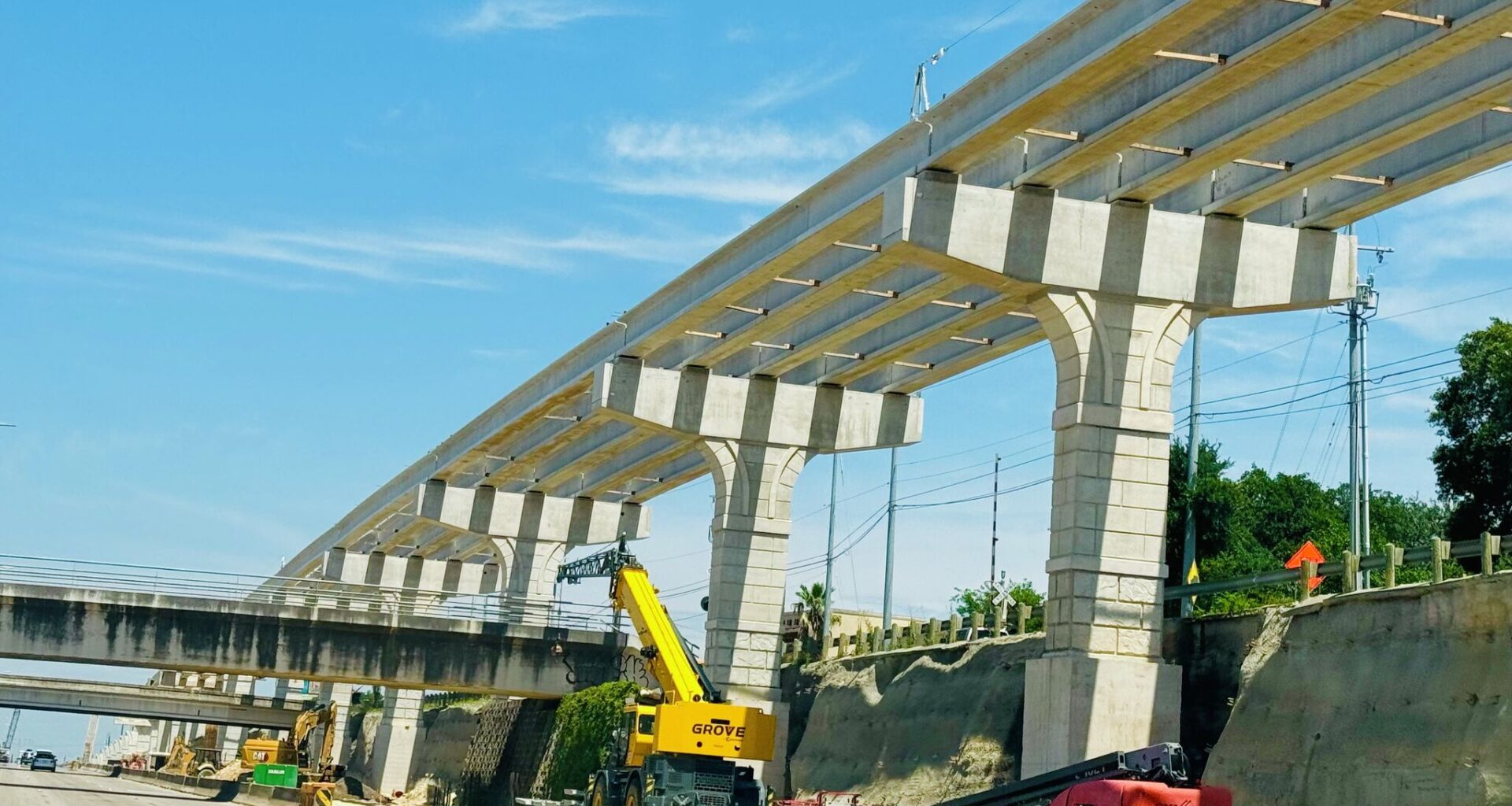
A longtime highway closure has begun in San Antonio, but this won’t be one of those short weekend changes. This closure along Loop 1604 is going to last for months. And while it’s not a gamechanger, missing this could add significantly to travel times.
On Thursday, April 16, the Texas Department of Transportation shut down the Bulverde Road exit in the westbound lanes of Loop 1604. It’s part of the years long overhaul of the northern half of Loop 1604, spanning tens of miles and $1.4 billion in investment.
“As part of the Loop 1604 North Expansion Project, TxDOT will require closure for new ramp construction,” the state agency warns, noting detour signage will be up for drivers hoping to exit to Bulverde Road on the Northeast Side of San Antonio.
Westbound drivers will have to exit at O’Connor Road, less than a mile ahead. This means folks heading to Bulverde Road, east or west, will have to get through an additional exit at O’Connor before making their turn. But it’s a pretty short distance added.
However, missing the O’Connor Road exit will create a much bigger headache. With the Bulverde exit closed for business until June, drivers would then have to drive about 3 miles further to get off the highway at Redland Road. From there, they can take a series of side streets (Redland to Bulverde) or turnaround under Loop 1604.
While these closures may feel highly inconvenient now, it’s all part of a sweeping revamp of Loop 1604 that’s expected to handle climbing driver figures for decades. The highway will be transformed from four lanes to 10, five in each direction, from Bandera Road all the way to I-35 on the Northeast Side of the city.
“It’s one of the most congested corridors in the state,” TxDOT Public Information Officer Jennifer Serold previously told MySA. “Over the next 20 to 25 years, the amount of daily drivers is expected to double. So, this expansion project is to prepare for future growth but also to give benefits to drivers in the next few years … It’s bringing a lot of congestion relief to drivers by giving them more lanes to travel on. And then, of course, when you reduce congestion, you increase safety for the drivers.”