
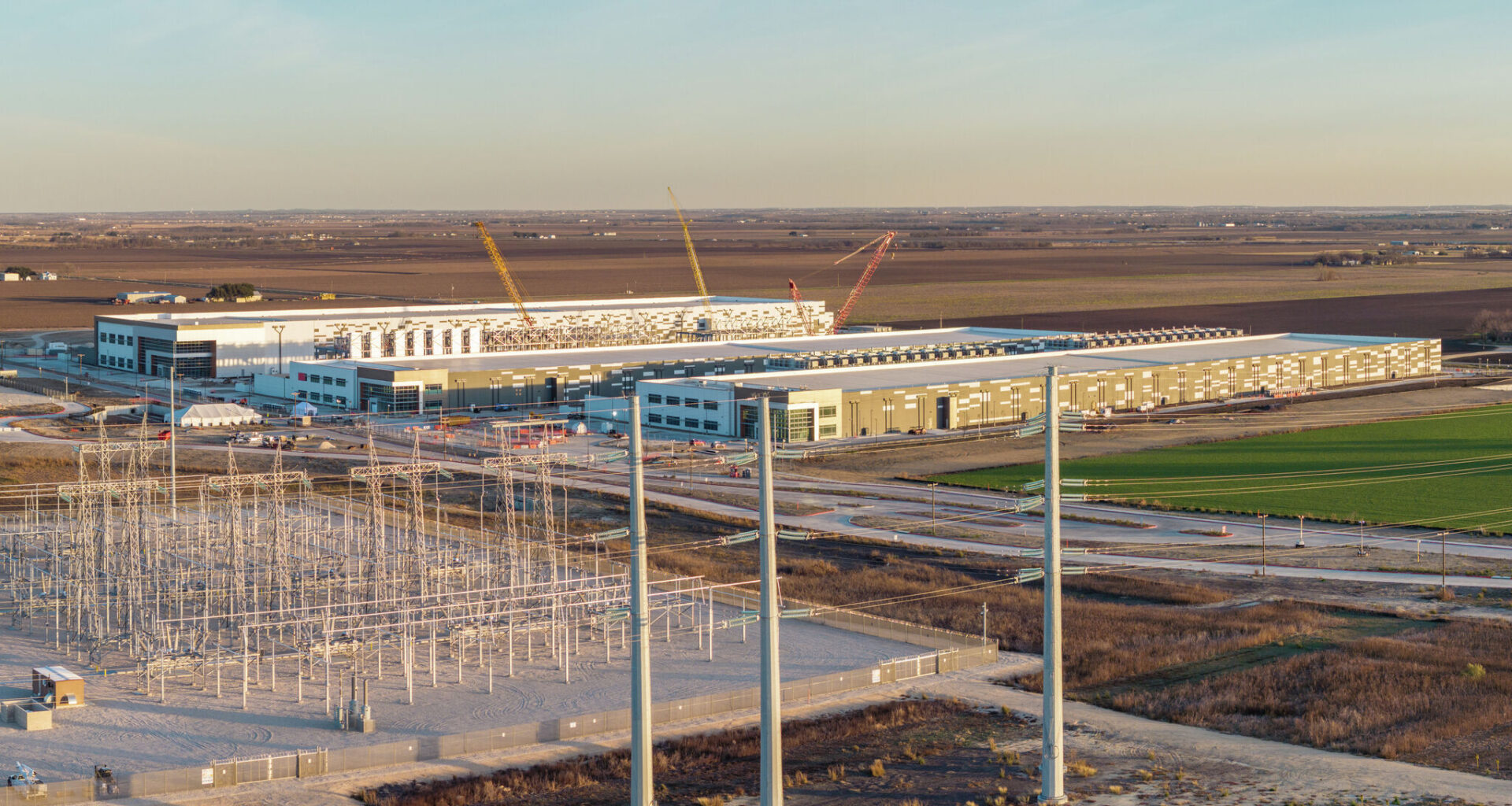
For many Texas Hill Country residents, the region’s rolling hills, sweeping views and remote ranch lands are central to its identity — and a heritage they want to preserve.
But in recent years, tech companies like Microsoft and Amazon have increasingly challenged that vision, building more than 100 water-reliant data centers between Austin and San Antonio alone. The projects collectively receive more than $1 billion in tax breaks each year and have sparked community backlash.
According to DataCenterMap, a site that has tracked facilities since 2007, there are 444 registered data centers across Texas, with major clusters in Dallas, Austin, San Antonio and Houston.
In the Hill Country corridor between Austin and San Antonio, the concentration is especially high.
Per the map, there are 62 data centers in the San Antonio metro and another 62 in the Austin area. A total of 124 facilities flanked across the rapidly expanding region, heavily reliant on natural resources.
In San Antonio, many data centers are clustered on to the west of the city in Medina County, particularly near Castroville.
In the Austin metro, data centers line the Interstate 35 corridor.
Some Central Texas communities have pushed back on new projects, but development across the region continues to expand.
Data centers require massive amounts of water to keep servers cool, especially in hot climates like Texas.
A January 2026 study from the Houston Advanced Research Center estimates the state’s data center boom could soak up to 161 billion gallons of water annually by 2030.
The report called data centers the”physical backbone of artificial intelligence, cloud computing, and modern commerce,” while also calling them one of the “world’s most resource-intensive industries.”
Though, there may be some conflicting numbers, the Texas Comptroller’s Office shows there are just over 100 overall “qualifying” data center projects in Texas. That number may not include the numerous data center cell sites inside of individual data parks.